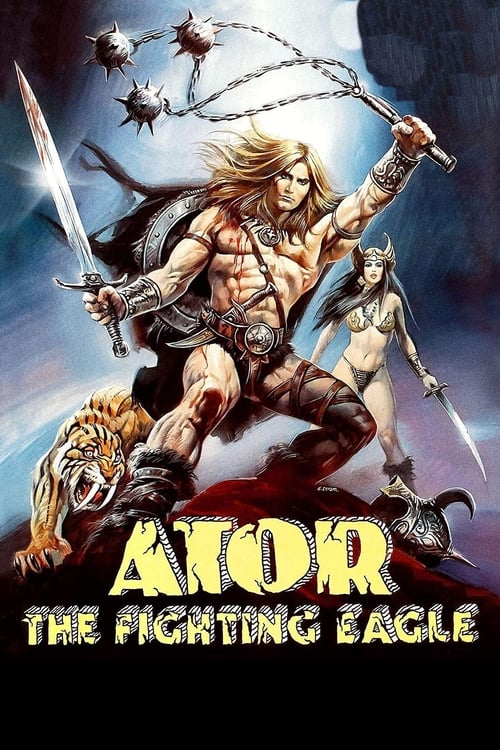
Ator, the Fighting Eagle
1982
No user ratings available yet
Representation score: 1.3 out of 10
Representation Score
Limited
1983
PGDirector
Joe D'Amato
Runtime
92 minutes
Average Rating
No ratings yetNew Showbiz Analysis
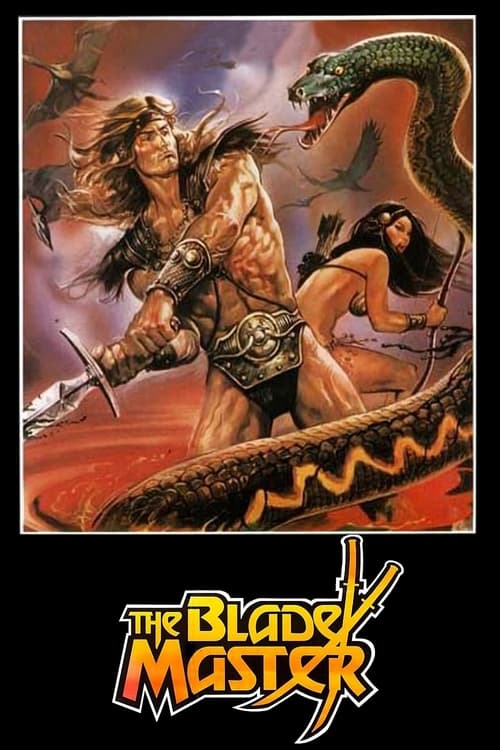
The Blade Master is a traditional genre piece that prioritizes action and fantasy archetypes over exploring diverse identities. It relies heavily on established 1980s clichés that often emphasize physical dominance and rigid power structures. While the film includes a non-speaking Asian sidekick, the character's lack of dialogue and secondary role limit their impact. The story remains rooted in a classic morality tale that reinforces conventional hierarchies without challenging them. Overall, the film's focus on strong, muscular heroes and a standard quest structure leads to a narrow representation of identity and ability to act.
Category Breakdown
The film does not include any LGBTQ+ characters or narratives that question the assumption that everyone is straight. It follows typical 1980s adventure stories that usually don't show queer characters.
The story focuses on strong, muscular male heroes and a male villain. This setup emphasizes traditional masculine roles and physical strength, which are common in fantasy movies.
There is a silent Asian sidekick, adding non-white presence to the cast. However, the character's lack of speaking role and secondary status suggest limited involvement and depth.
The story follows a traditional hero's journey and a straightforward good-versus-evil theme. It doesn't explore or challenge power dynamics or subjective morality.
The inclusion of a mute character introduces a communication disability. However, there's a risk that this trait might serve as a simple plot device rather than a nuanced portrayal.
Present on Screen
Limited or Absent
Official Synopsis
Muscle-bound Ator and his mute Asian sidekick travel from the ends of the Earth to save his aged mentor from the evil mustachioed Zor.
1982

1970

1988

1985
1960
1976
1978
1985
No reviews yet. Be the first to share your thoughts on this movie!
Use the rating form above to leave a star rating and optional review.