
Young Ahmed
2019
No user ratings available yet
Representation score: 5.1 out of 10
Representation Score
Fair
2018
Director
Mohamed Ben Attia
Runtime
100 minutes
Average Rating
No ratings yetNew Showbiz Analysis
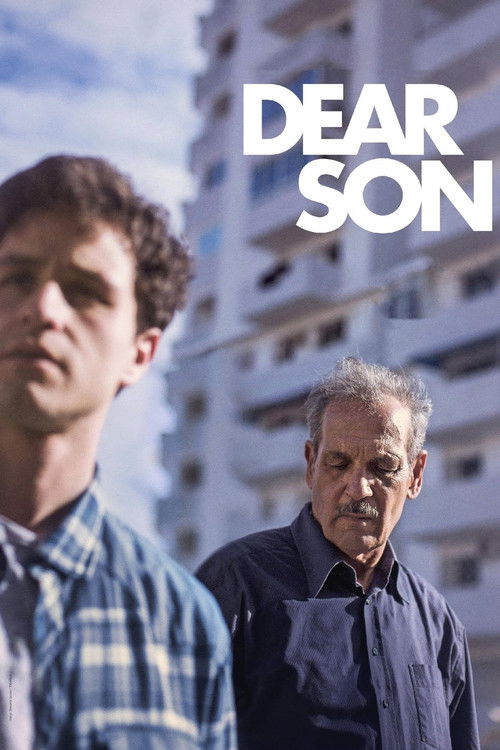
Dear Son is a domestic psychodrama set in a Tunisian household that explores the impact of radicalization. It succeeds by offering a highly authentic North African perspective, avoiding Western stereotypes in favor of nuanced, culturally specific characters. However, the film maintains traditional social structures. Its narrative is centered on a male-dominated hierarchy, which limits its exploration of progressive gender dynamics or non-straight relationships. Overall, the film is a culturally significant work that prioritizes regional authenticity over social subversion, resulting in a balanced but not fully inclusive diversity profile.
Category Breakdown
The film does not feature any explicit LGBTQ+ characters or stories. It focuses solely on a traditional North African family structure without any hints of queer relationships.
The story revolves around a patriarchal system, emphasizing the father-son bond. It highlights the pressures of traditional masculinity without challenging gender norms.
The film presents a genuine depiction of Tunisian life. It avoids a Western perspective by focusing on complex characters within their unique socio-political environment.
Religion is used as a backdrop to examine the tension between traditional beliefs and extremist ideologies. The story critiques how radicalization can corrupt the sanctity of the family.
There are no visible or mentioned depictions of physical or cognitive disabilities that play a central role in the narrative.
Present on Screen
Limited or Absent
Official Synopsis
Extremism slices through a Tunisian family with the realization that their teenage son has become an ISIS fighter.
2019

2016

2016

2017

2016

2022

2019
2017
No reviews yet. Be the first to share your thoughts on this movie!
Use the rating form above to leave a star rating and optional review.