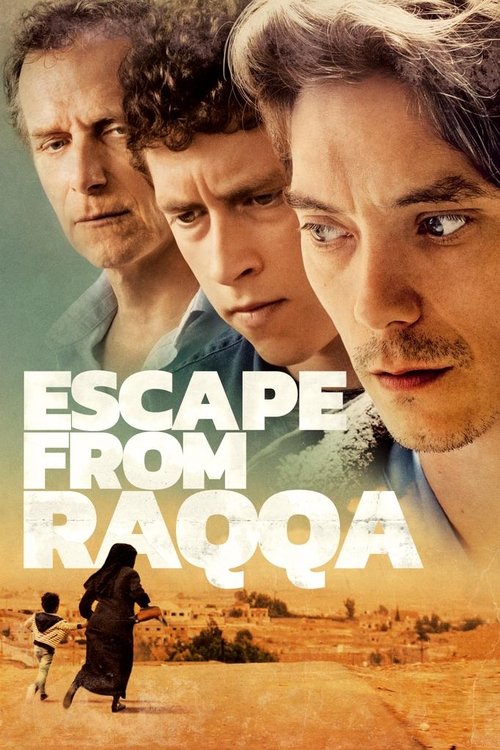
Escape from Raqqa
2019
No user ratings available yet
Representation score: 6.2 out of 10

Representation Score
Fair
2022
Director
Bilall Fallah, Adil El Arbi
Runtime
135 minutes
Average Rating
No ratings yetNew Showbiz Analysis
Rebel disrupts traditional thriller clichés by focusing on the lived experiences of the Belgian-Moroccan diaspora. The film avoids including someone from a minority group without giving them real depth by featuring a predominantly North African cast, offering a deep, textured exploration of identity and survival. The narrative architecture is particularly strong in its gender and racial representation, avoiding the 'outsider' cliché common in the genre. However, the film lacks representation for LGBTQ+ individuals and does not include characters with disabilities.
Category Breakdown
The film does not include any LGBTQ+ characters or narratives that challenge the assumption that everyone is straight or cisgender.
The film centers on female characters like Meryem and Nora, who play significant roles in driving the story and serve as the emotional core of the family. Their actions challenge traditional patriarchal structures.
The film features a predominantly North African and Muslim cast, providing an authentic portrayal of the Belgian-Moroccan diaspora. The Molenbeek setting is central to the story, not just a peripheral element.
The film explores the tension between secular Western institutions and immigrant religious identities. It provides a nuanced look at cultural conflict by examining the complexities of loyalty and identity.
There is no significant portrayal of characters with visible or invisible disabilities in the narrative.
Present on Screen
Limited or Absent
Official Synopsis
Kamal resolves to change his life for the better, and so leaves Belgium to help victims of the war in Syria. But when he arrives, he is forced to join a militia and is left stranded in Raqqa. Back home, his younger brother Nassim quickly becomes easy prey for radical recruiters, who promise to reunite him with his brother. Their mother, Leila, fights to protect the only thing she has left: her youngest son.
2019
2019
2018
2019
2017

2015
2016
2016
No reviews yet. Be the first to share your thoughts on this movie!
Use the rating form above to leave a star rating and optional review.