Because They Are in Love
1972
No user ratings available yet
Representation score: 2.6 out of 10
Representation Score
Minimal
1987
Director
Nicolae Mărgineanu
Runtime
109 minutes
Average Rating
No ratings yetNew Showbiz Analysis
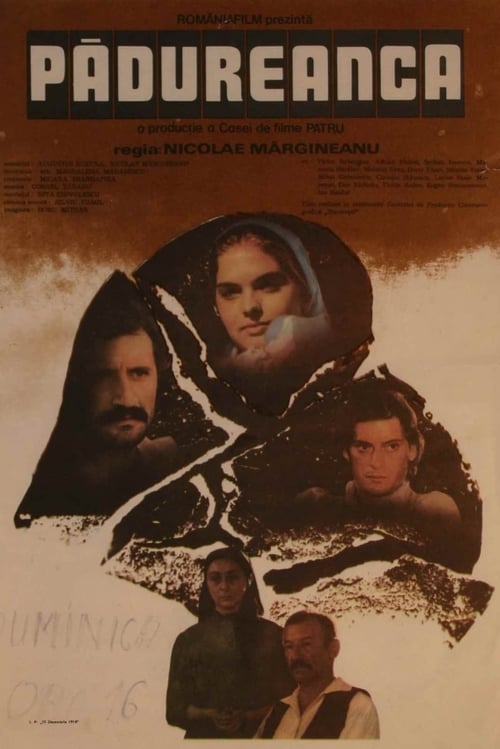
The Forest Woman is a product of the late-1980s Romanian cinema, a period marked by significant state oversight and institutional constraints. Consequently, the film serves as a localized character study that adheres to the established social structures of its time rather than attempting to challenge them. The narrative focuses on conventional social frameworks and lacks complexity in representing diverse identities. It reflects the era's emphasis on collective identity and traditional hierarchies, offering little in the way of modern social disruption or diverse representation.
Category Breakdown
The film does not include any characters with non-binary or LGBTQ+ identities. The romance genre during this era usually follows traditional heterosexual norms.
Although the title suggests a strong female lead, it is unclear if she plays a significant role in driving the story. Female roles from this period often reinforce traditional domestic or romantic roles.
The cast appears to be ethnically uniform, reflecting the local Romanian context of the era. There is no indication of a multicultural cast or diverse representation.
The narrative likely emphasizes community stability and traditional social values. It reflects the institutional norms of late-socialist Eastern Europe rather than modern progressive critiques.
There is no documented evidence of characters with physical or neurodivergent disabilities in this work.
Present on Screen
Limited or Absent
1972
1965
1985

1993
1957

2010
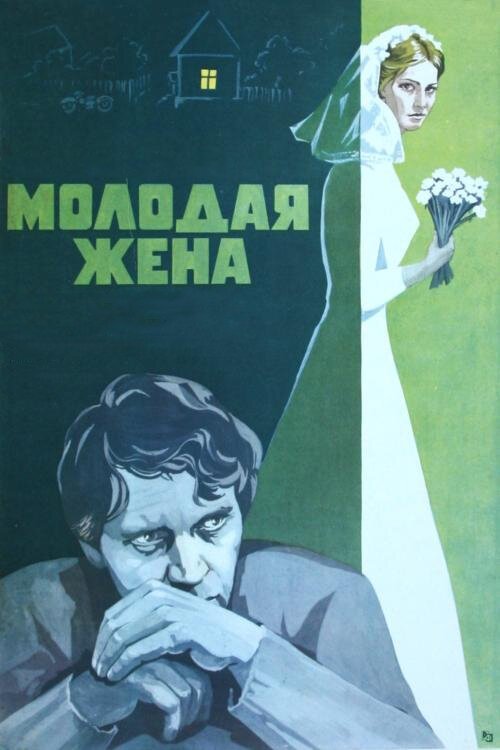
1979
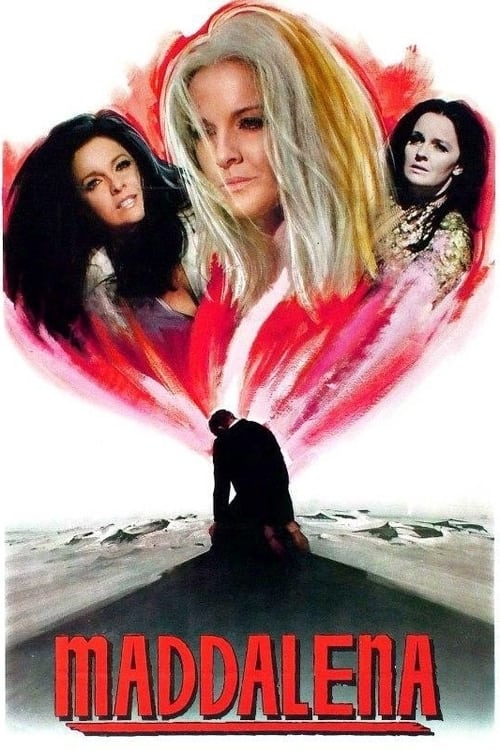
1971
No reviews yet. Be the first to share your thoughts on this movie!
Use the rating form above to leave a star rating and optional review.