
In Search of Darkness: Part II
2020
No user ratings available yet
Representation score: 9.1 out of 10
Representation Score
Excellent
2022
Not RatedDirector
David A. Weiner
Runtime
342 minutes
Average Rating
No ratings yetNew Showbiz Analysis
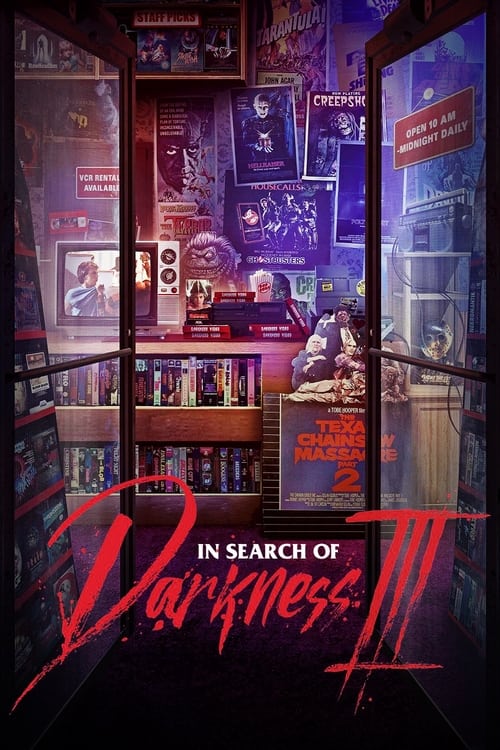
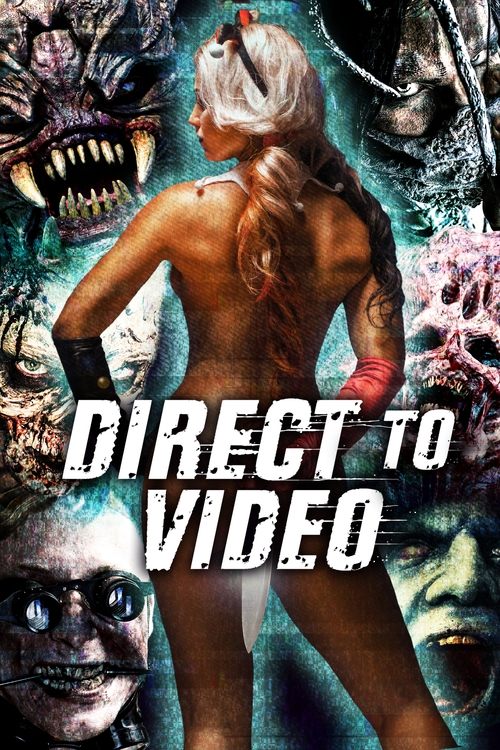
In Search of Darkness: Part III serves as a tool for revisiting overlooked 'bottom shelf' horror, elevating it to cultural significance. By focusing on the edges of the genre, the documentary disrupts traditional cinematic hierarchies and explores how identity is expressed outside mainstream studio control. The film successfully dismantles the prestige hierarchy of cinema. It provides a platform for discussing how diverse perspectives and experimental narratives exist within the direct-to-video era. However, the portrayal of certain identities remains linked to historical clichés. The documentary must balance celebrating niche cinema with addressing the reality of how disability and race were often utilized within those older genre frameworks.
Category Breakdown
The documentary uncovers queer themes and non-traditional identities within cult horror. It focuses on reclaiming queer symbolism within experimental and hidden genre treasures.
The film looks at changing gender dynamics in direct-to-video movies. It explores how these films often offered varied portrayals of women's roles.
The analysis highlights a range of racial representation outside the predominantly white perspective of mainstream Hollywood. It discusses how diverse casts appeared in low-budget, genre-defying films.
By validating low-culture media, the film challenges traditional Western cinematic hierarchies. It promotes cultural relativism by valuing stylistic experimentation over institutional prestige.
The documentary addresses how horror has historically used physical or mental differences. It navigates the tension between exploiting these traits and their historical context.
Present on Screen
Limited or Absent
Official Synopsis
The conclusion to the ‘In Search of Darkness’ '80s trilogy. In this epic final chapter, our focus turns to the straight-to-video horror classics that populated the bottom shelves at the video rental store. Imaginative, gory, experimental—but always entertaining—these hidden gems are ripe for rediscovery.
2020
2019

2024
2010
2019
2017

1986
2019
No reviews yet. Be the first to share your thoughts on this movie!
Use the rating form above to leave a star rating and optional review.