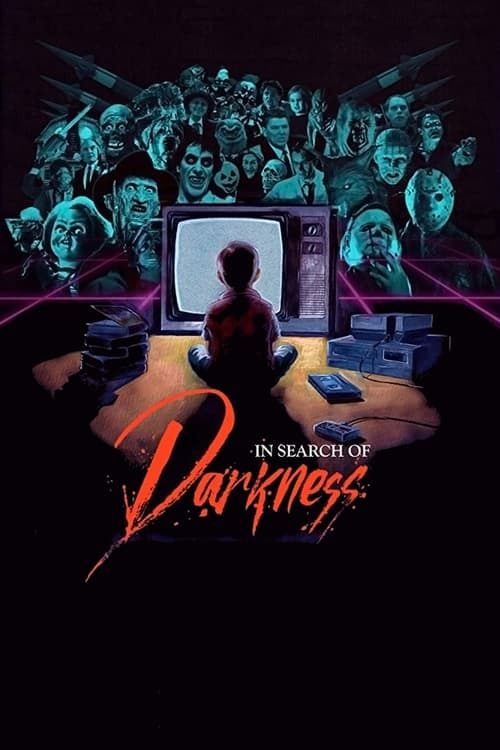
In Search of Darkness
2019
No user ratings available yet
Representation score: 8.9 out of 10

Representation Score
Excellent
2020
Not RatedDirector
David A. Weiner
Runtime
263 minutes
Average Rating
No ratings yetNew Showbiz Analysis
This documentary serves as a historical survey, using horror as a mirror for societal fears. It goes beyond mere entertainment to explore how identity and power dynamics are played out within the genre. By featuring a variety of voices, the film effectively addresses the industry's past homogeneity. It skillfully breaks down traditional clichés like the 'Final Girl' and queer subtext through scholarly analysis. However, its analysis sometimes focuses more on the 'monstrous' aspect of disability rather than the ability to act of disabled individuals.
Category Breakdown
The film offers space to discuss subtextual queer elements and non-straight identities. It looks at how these elements were used to navigate historical censorship.
It deconstructs the 'Final Girl' cliché, tracing the evolution of women's ability to drive the story. The documentary highlights how female resilience challenges patriarchal structures.
The documentary includes a diverse range of interviewees from various backgrounds. It explores the historical complexities of racial representation in horror.
The film examines horror as a medium that critiques traditional institutions and religious symbols. It portrays the suburban home as a place of psychological fear.
The documentary discusses physical and psychological 'otherness' within the genre. It analyzes how disability is used as a cinematic device for the 'monstrous.'
Present on Screen
Limited or Absent
Official Synopsis
The ultimate ‘80s Horror retrospective just got BIGGER. In Search of Darkness: Part II is a four-hour-plus sequel to the Rondo Hatton-nominated In Search of Darkness, adding 15 new interviewees and 40+ returning favorites for the biggest and most comprehensive ‘80s Horror documentary cast ever assembled.
2019
2010
2022

2024

2024

2019
2009
2011
No reviews yet. Be the first to share your thoughts on this movie!
Use the rating form above to leave a star rating and optional review.