Boo! The Movie
2002
No user ratings available yet
Diversity score: 3.6 out of 10
2015
NRDirector
Robert Mearns
Runtime
102 minutes
Average Rating
No ratings yetSynopsis
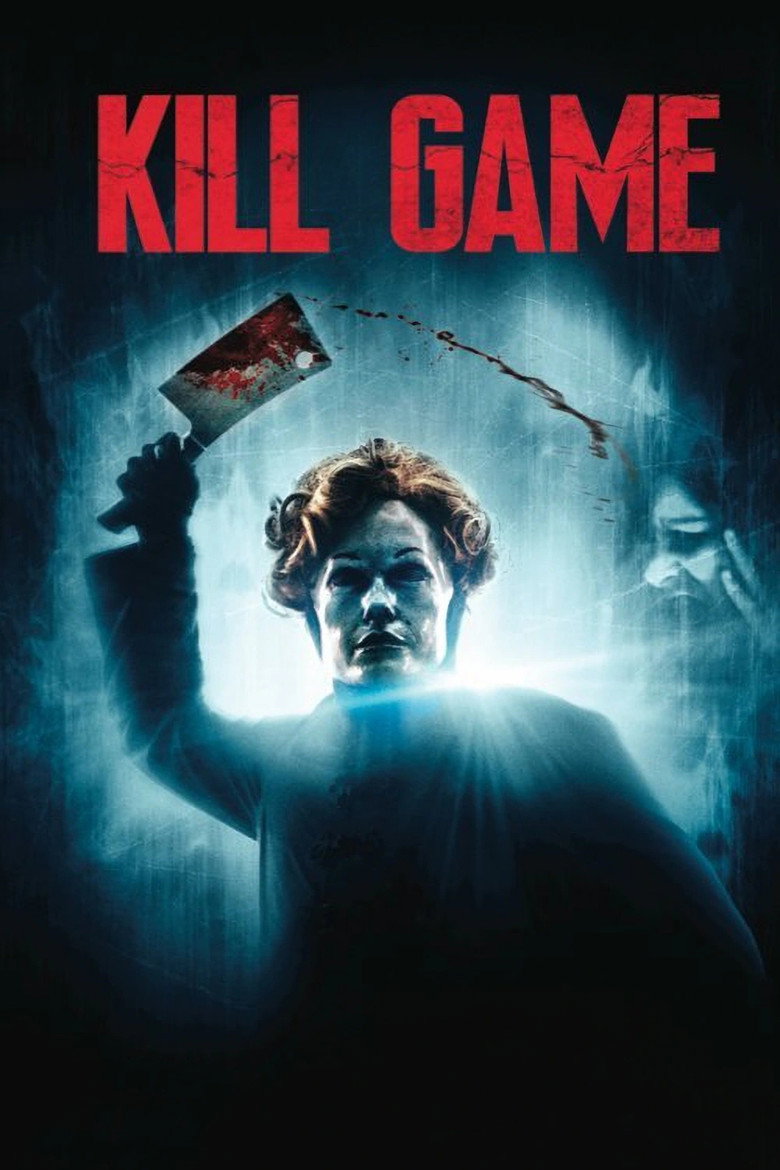
In Grace Arbor the answers are never clear. Who is underneath the mask? This is the story of a group of high school kids - all popular, good looking, "most likely to succeed" types - who amuse themselves by pulling pranks on unsuspecting students and teachers. At their core lies a cruelty and shallowness which comes with the territory of privilege. One night, a prank goes horribly wrong, a teenager is killed, and the gang covers it up as a drowning accident but five years later, their lives are turned upside down when a local is killed by a serial killer wearing a haunting Marilyn Monroe mask. Soon, the gang are killed one by one in manners mirroring the pranks they pulled in high school. Is it revenge? Is it karma?
Overall Score
Limited
Category Breakdown
LGBTQ+ Representation
The film lacks any explicit depiction of LGBTQ+ characters or non-cisnormative identities. The narrative focus remains strictly on the social dynamics of a high school peer group.
Gender Representation
The story centers on popular students, often adhering to traditional social hierarchies. However, it potentially subverts these archetypes by highlighting the cruelty and shallowness of its dominant characters.
Racial & Ethnic Diversity
The description of a homogeneous group of 'good looking' students suggests a lack of racial diversity. The narrative architecture points toward a traditional, non-diverse social core.
Religious & Cultural Diversity
The film engages deeply with themes of systemic accountability and privilege. It uses a revenge motif to deconstruct the idea that social status grants immunity from moral consequences.
Disability Representation
There is no evidence of characters with physical or neurodivergent disabilities. The narrative does not address disability representation.
Strengths
Areas for Improvement
AI Analysis
Kill Game operates as a genre-driven critique of social privilege rather than a platform for intersectional identity. It uses the horror framework to dismantle the 'most likely to succeed' trope, framing social dominance as a source of moral decay. While the film lacks visible markers for race, disability, or LGBTQ+ identities, it finds progressive value in its interrogation of class and hierarchy. It challenges the stability of established social institutions through a lens of systemic retribution. Ultimately, the film's strength lies in its thematic deconstruction of unearned privilege, even as it remains narrow in its demographic representation.
2002
2010
2010
2011
2006
2001
2013
2018
2016
2013
2006
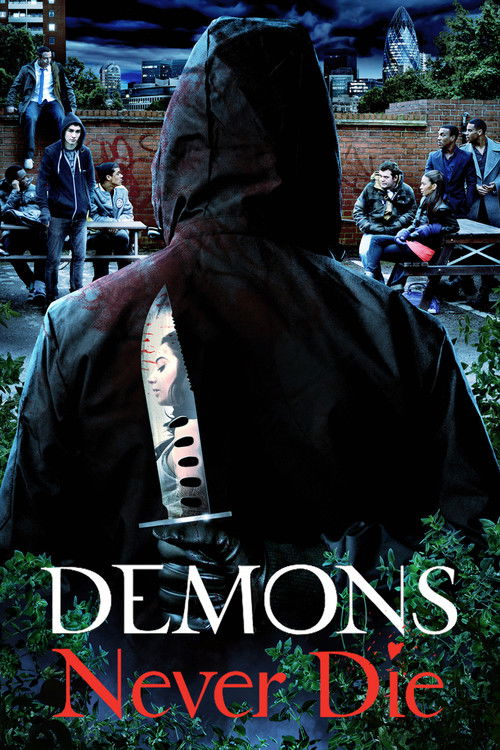
2011
No reviews yet. Be the first to share your thoughts on this movie!
Use the rating form above to leave a star rating and optional review.