Scream Farm
2008
No user ratings available yet
Representation score: 3.4 out of 10
Representation Score
Fair
2011
Director
Ryan Nicholson
Runtime
77 minutes
Average Rating
No ratings yetNew Showbiz Analysis
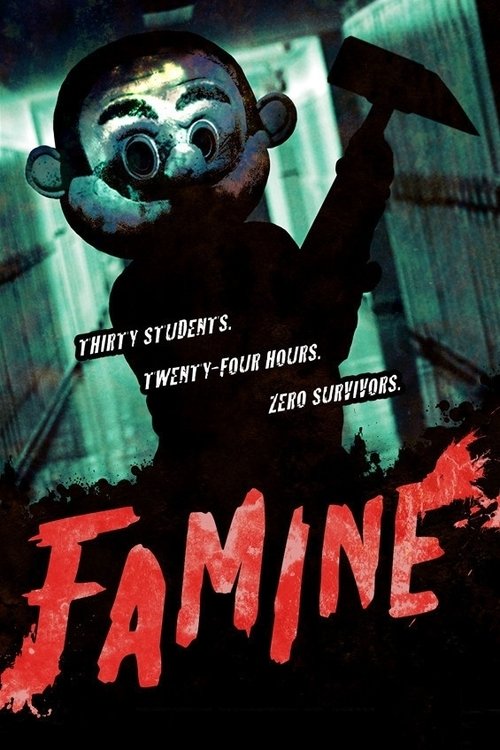
Famine is a transgressive horror film that prioritizes stylistic subversion over demographic inclusion. It operates within a nihilistic framework that deconstructs social norms and institutional stability through extreme gore and dark humor. The film lacks meaningful multi-layered representation, particularly regarding LGBTQ+ identities and racial diversity. The cast and narrative dynamics suggest a conventional, homogeneous social structure typical of low-budget independent horror. While it fails to provide diverse representation, the film achieves a sense of progressive disruption by rejecting traditional morality. It uses trauma and chaos to dismantle the perceived safety of communal spaces.
Category Breakdown
The film does not include any LGBTQ+ characters or explore non-straight relationships. The main conflict revolves around a heterosexual relationship, and there is no indication of queer individuals having significant influence or critique of the assumption that everyone is straight or cisgender.
Female characters such as Ms. Vickers and Cathy play crucial roles in the plot but primarily serve as catalysts for traumatic events. The narrative emphasizes a bleak outlook on social roles rather than empowerment.
The film lacks evidence of non-white or multi-layered representation. The setting and character names suggest a predominantly white, homogeneous society.
The film challenges the sanctity of Western educational and charitable institutions by turning a school event into a massacre. It focuses on systemic dysfunction rather than traditional communal values.
Physical disfigurement is used as a plot device through body horror clichés. These elements serve as catalysts for tension rather than meaningful representation of disability or neurodivergence.
Present on Screen
Limited or Absent
Official Synopsis
Two years after a high-school prank involving flesh-eating acid nearly kills popular teacher Mr. Balszack, the graduating class of Sloppy Secondary holds a ’24-Hour Famine’ charity event on school grounds. But there’s an uninvited guest at this event, masquerading as the school’s handyman mascot, and he’s got an insatiable hunger of his own.
2008

2010

2014

2015
2013

2017
2007
2007
No reviews yet. Be the first to share your thoughts on this movie!
Use the rating form above to leave a star rating and optional review.