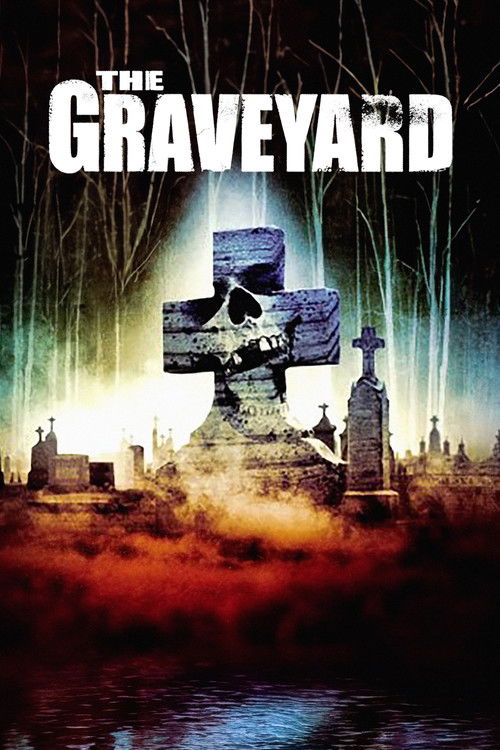
The Graveyard
2006
No user ratings available yet
Representation score: 0.9 out of 10
Representation Score
Limited
2006
RDirector
Sylvain White
Runtime
92 minutes
Average Rating
No ratings yetNew Showbiz Analysis
This slasher film follows conventional genre conventions prevalent in the mid-2000s. It emphasizes suspense and plot mechanics over progressive social commentary or the subversion of societal hierarchies. The production relies on a homogeneous cast and standard character archetypes, reinforcing traditional demographic and social norms. Ultimately, the film serves as a typical example of the era’s horror landscape, focusing on local secrets and revenge within a narrow social lens.
Category Breakdown
The film does not include any characters with non-straight sexual orientations or same-sex relationships. The character interactions follow traditional heterosexual norms.
The movie uses the 'Final Girl' cliché, where a female character leads the survival storyline. However, she fits within traditional expectations of being both vulnerable and resilient.
The cast is mainly made up of white actors, following a traditional white-centric casting model. There are no diverse characters driving the main plot.
The story focuses on individual guilt within a Western context. It portrays the failure of law enforcement and parental authority as typical elements of the genre.
There are no characters with visible or invisible disabilities in the film. The narrative does not include these perspectives in its character development.
Present on Screen
Limited or Absent
Official Synopsis
Several teenagers in a small-town in Colorado concoct a July 4th prank based on a frightening legend that goes awry when their friend ends up accidentally killed; however, the teens agree to keep their involvement a secret from the authorities, who continue to search for the man who apparently killed their friend. A year later, with the July 4th celebration coming up again, the teenagers realize that they're being stalked by someone who clearly intends on keeping the horrible legend alive by killing them off.
2006
2009
2008

2006
1999
2025
2007
1980
No reviews yet. Be the first to share your thoughts on this movie!
Use the rating form above to leave a star rating and optional review.