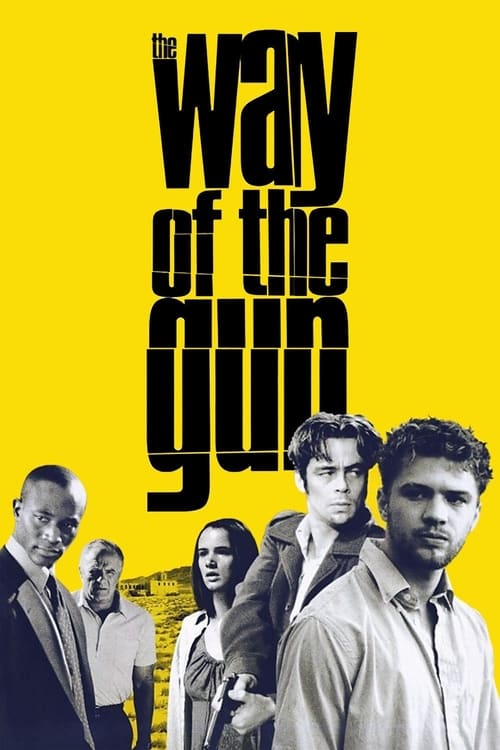
The Way of the Gun
2000
No user ratings available yet
Representation score: 2.3 out of 10
Representation Score
Good
1997
RDirector
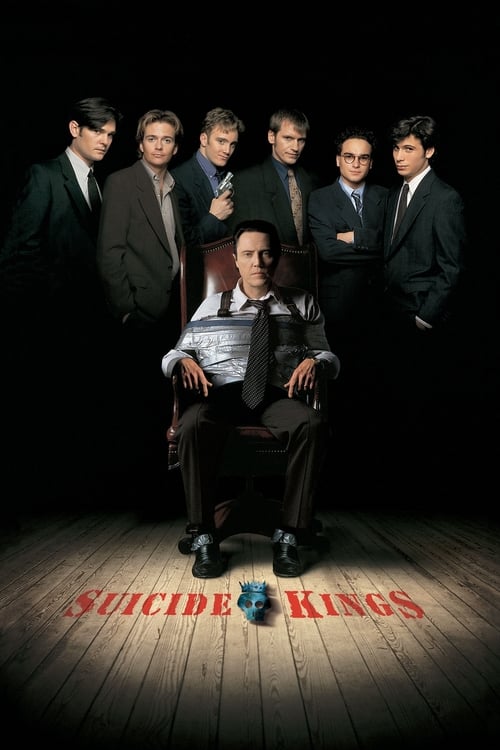
Peter O'Fallon
Runtime
106 minutes
Average Rating
No ratings yetNew Showbiz Analysis
Suicide Kings serves as a focused exploration of class conflict and the breakdown of social hierarchies. It uses a high-stakes, enclosed environment to depict the service class as volatile agents of systemic resentment rather than passive observers. Despite the lack of representation in traditional demographic categories like LGBTQ+ identities or disability, the film excels in its cultural critique. By portraying the relationship between the wealthy and the service staff as inherently dehumanizing, it provides a sophisticated narrative deconstruction of the social contract.
Category Breakdown
The film does not include any LGBTQ+ character arcs or non-cisgender identities. The story focuses on interpersonal power struggles and class tensions.
The cast is mainly led by male characters, emphasizing action-driven sequences. Female characters are mostly seen in service-oriented roles, while male characters are portrayed through psychological instability and fragmentation.
The diverse cast of service workers highlights socioeconomic stratification. This showcases the tension between a diverse workforce and the homogeneous wealth of the elite clients.
The narrative offers a strong critique of capitalism, depicting wealthy patrons and service staff through an exploitative lens. It challenges traditional Western institutions by framing criminal actions as responses to systemic injustice.
There is no significant or meaningful depiction of visible or invisible disabilities. Characters are defined by their socioeconomic status and psychological responses rather than physical or neurodivergent traits.
Present on Screen
Limited or Absent
Official Synopsis
Carlo, a former mobster, is abducted by five privileged young men desperate to raise a $2 million ransom to save the sister of a friend. As Carlo plays mind games, however, his captors splinter -- each wondering whether one of their own had a hand in the crime.
2000

1973

2003

2000
2011
1999
2006

1965
No reviews yet. Be the first to share your thoughts on this movie!
Use the rating form above to leave a star rating and optional review.