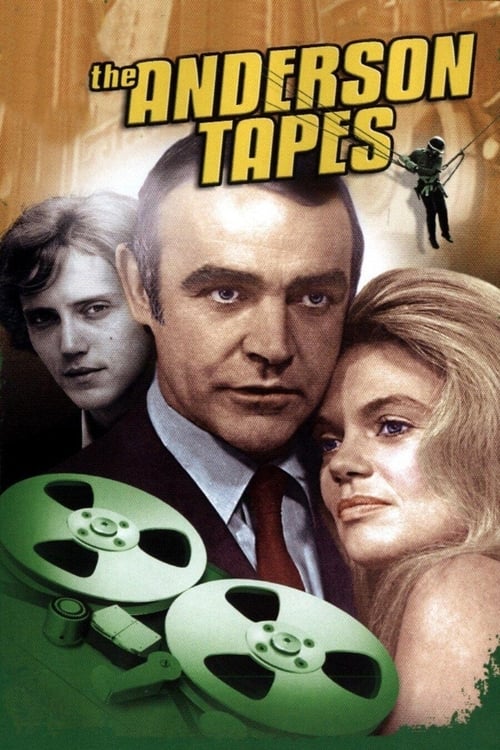
The Anderson Tapes
1971
No user ratings available yet
Diversity score: 4.4 out of 10
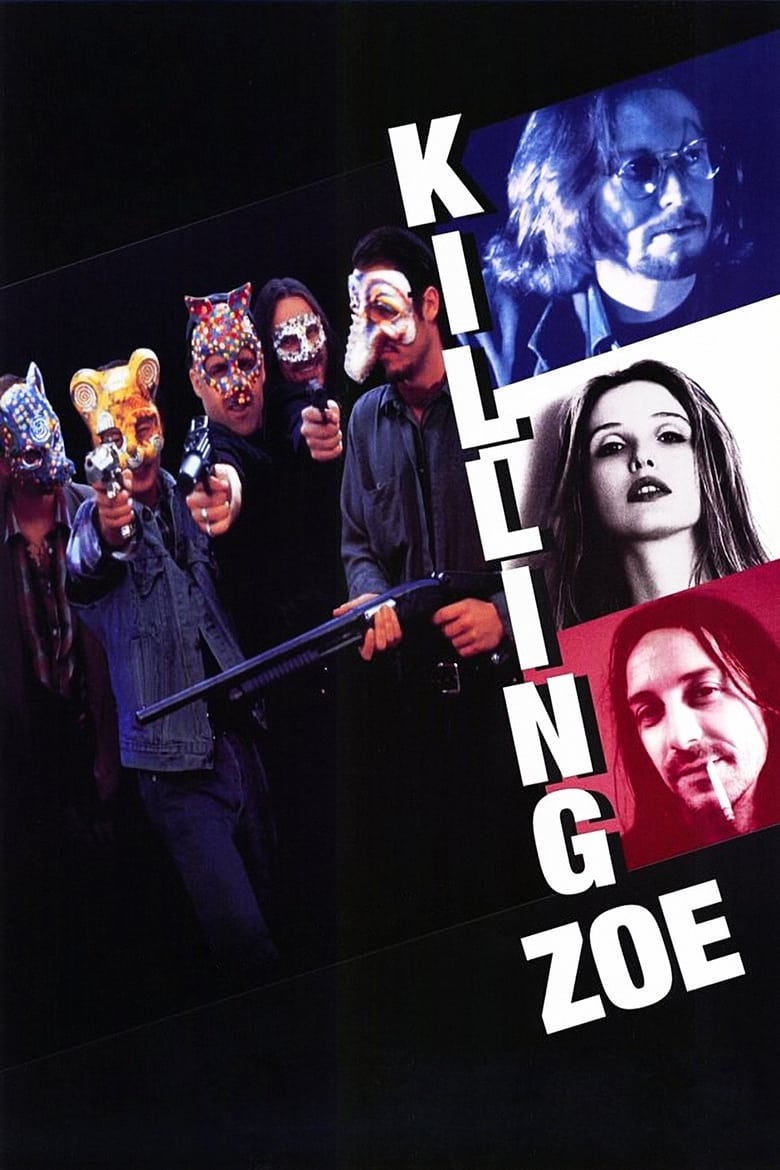
1993
RDirector
Roger Avary
Runtime
96 minutes
Average Rating
No ratings yetSynopsis
Zed is an American vault-cracker who travels to Paris to meet up with his old friend Eric. Eric and his gang have planned to raid the only bank in the city which is open on Bastille day. After offering his services, Zed soon finds himself trapped in a situation beyond his control when heroin abuse, poor planning and a call-girl named Zoe all conspire to turn the robbery into a very bloody siege.
Overall Score
Fair
Category Breakdown
LGBTQ+ Representation
The film lacks explicit depictions of non-heteronormative identities. The narrative focus remains strictly on transactional and predatory sexual dynamics between the protagonist and her male counterparts.
Gender Representation
Zoe navigates predatory environments with survivalist agency despite being subjected to male violence. However, the heavy reliance on transactional sexual encounters and exploitative depictions limits higher representation.
Racial & Ethnic Diversity
The film centers a Black woman in a lead role, disrupting the typical homogeneity of 1990s crime thrillers. This provides a nuanced look at how race and class converge.
Religious & Cultural Diversity
The narrative critiques Western institutions by prioritizing moral relativism over legal or religious frameworks. It portrays traditional authority and capitalist structures as indifferent or hostile forces.
Disability Representation
Psychological instability and neurodivergence are explored through hallucinatory, non-linear stylistic choices. These elements serve as atmospheric tools rather than providing characters with specific agency regarding their conditions.
Strengths
Areas for Improvement
AI Analysis
Killing Zoe stands out for its subversion of the 1990s action-thriller landscape by centering a Black female protagonist. This casting choice provides a rare intersectional look at race and class within a gritty crime genre. However, the film's nihilistic tone and focus on transactional intimacy create significant gaps. The lack of LGBTQ+ narratives and the exploitative depiction of women through the lens of sex work prevent a more balanced representation. Ultimately, the film's strength lies in its deconstruction of social norms and Western institutions. It replaces traditional moral structures with a focus on systemic marginalization and survivalist agency.
1971
1990

1984
2000
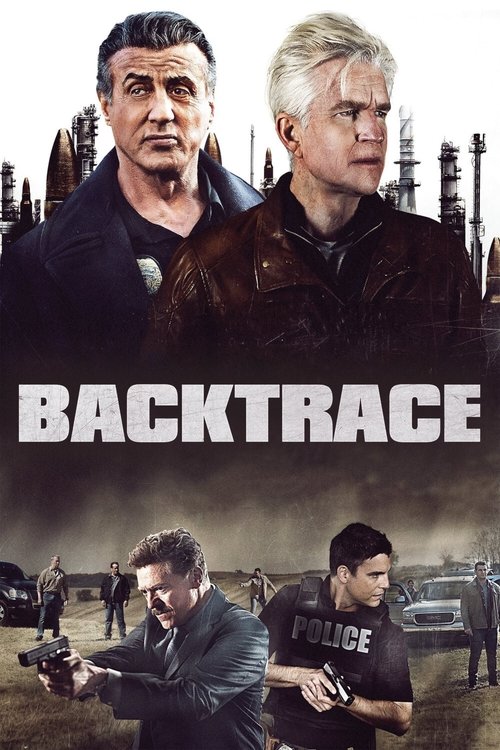
2018
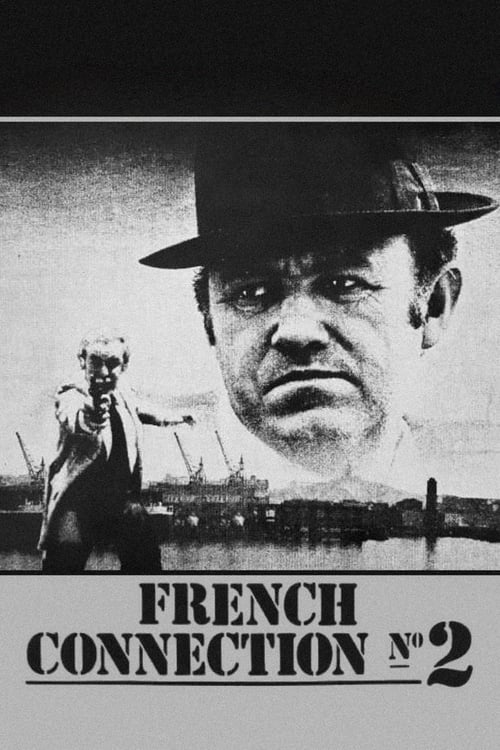
1975
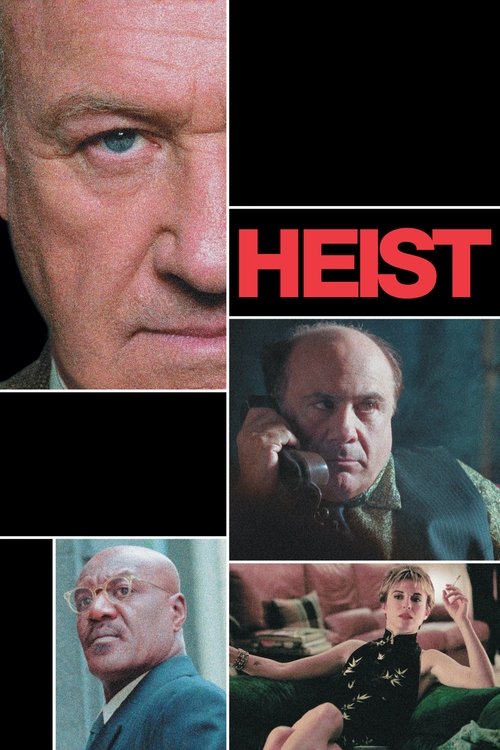
2001

2015
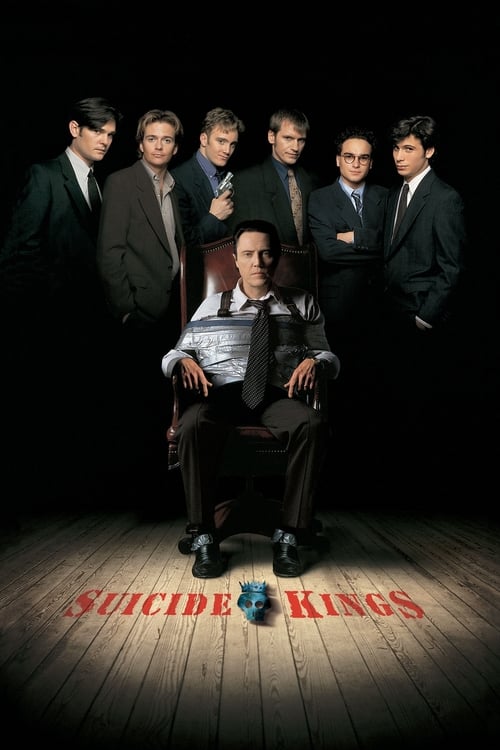
1997
2014
2006

1974
No reviews yet. Be the first to share your thoughts on this movie!
Use the rating form above to leave a star rating and optional review.