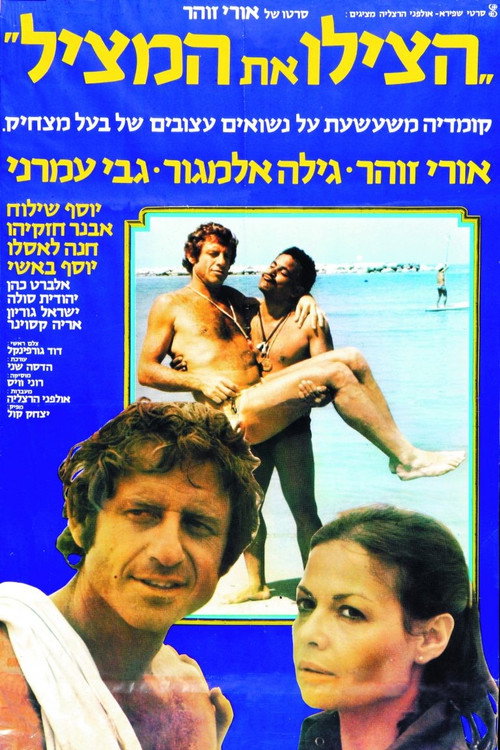
Save the Lifeguard
1977
No user ratings available yet
Representation score: 4.0 out of 10
Representation Score
Fair
1979
Director
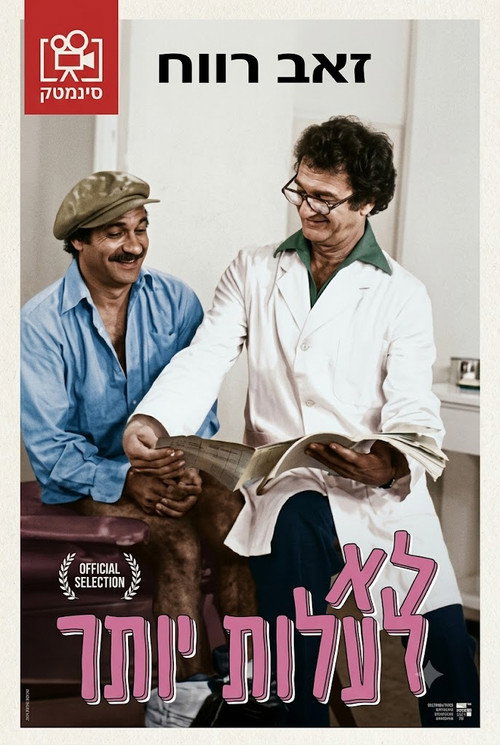
Ze'ev Revach
Runtime
94 minutes
Average Rating
No ratings yetNew Showbiz Analysis
Lo La'alot Yoter stands as a culturally significant ethnic comedy. By focusing on Mizrahi identity, Ze'ev Revach challenges the era's cultural dominance and gives prominence to a demographic often sidelined in mainstream Israeli media. However, the film lacks multi-layered depth. The absence of LGBTQ+ visibility or progressive gender subversion keeps the overall score moderate. It operates more as a culturally specific comedy rather than a modern deconstruction of power. Ultimately, the film's strength lies in its ethnic representation, while its limitations stem from the traditional social frameworks of 1979.
Category Breakdown
The film does not include any clear representations of LGBTQ+ identities or queer narratives. It seems to follow traditional social structures common in late-1970s Israeli cinema.
Characters are portrayed according to conventional gender roles typical of Mediterranean cinema from that time. There is no clear evidence of challenging established gender hierarchies.
The film highlights Mizrahi characters, providing meaningful ethnic visibility. This contrasts with the Ashkenazi-centric media landscape that dominated during this period.
The film uses satire to explore the tension between traditional community values and modern institutions. It focuses on social status and class distinctions through a comedic lens.
There is no evidence of characters with visible or invisible disabilities within the film.
Present on Screen
Limited or Absent
Official Synopsis
Sasson, a bus driver, and his wife, Geula, are trying to conceive, but with no luck to date. Try as they might, Geula does not become pregnant, while Sasson refuses to even entertain the notion that the fault may lie with him, let alone seek treatment. When the couple move from working-class South Tel Aviv to the city’s more upscale northern neighbourhoods, Sasson starts seeing a fertility doctor. At the same time, he becomes suspicious of his wife whom he thinks has been having an affair with his best friend.
1977
1978
1980

1976
1975

1992
1984
1983
No reviews yet. Be the first to share your thoughts on this movie!
Use the rating form above to leave a star rating and optional review.