Lo La'alot Yoter
1979
No user ratings available yet
Representation score: 4.6 out of 10
Representation Score
Limited
1980
Director
Ada Pistiner
Runtime
83 minutes
Average Rating
No ratings yetNew Showbiz Analysis
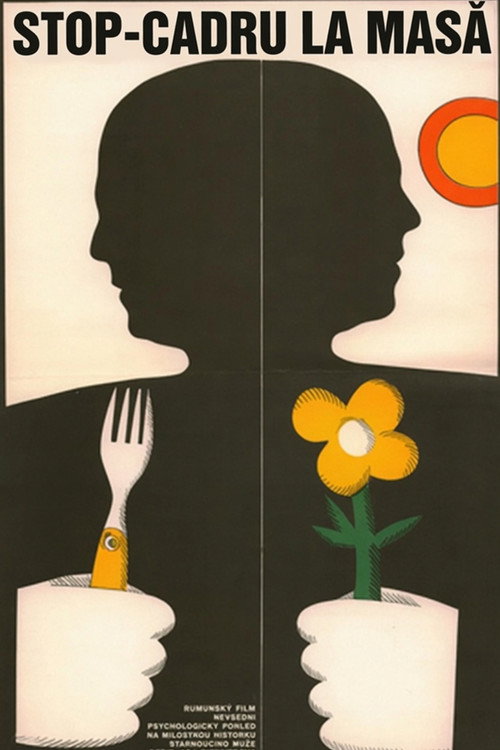
Snapshot Around the Family Table serves as a comedic deconstruction of the nuclear family. By focusing on infidelity, the film avoids rigid portrayals of domestic stability and traditional morality. However, the narrative lacks clear markers of diversity. While it questions traditional norms, it does not fully embrace a broader range of human experiences. Ultimately, the film occupies a transitional space, using infidelity to move away from conventional clichés without fully embracing a wider spectrum of human diversity.
Category Breakdown
The film touches on infidelity, which challenges traditional marital structures. However, it does not explicitly depict queer romantic relationships or non-conforming gender identities.
By centering the story on an 'odd' adulterous couple, the film moves away from idealized domestic life. It remains unclear whether the film challenges or reinforces traditional gender roles.
The production seems to be rooted in Eastern European cinema with a local cast. There is no indication of racial stereotypes or diverse cultural backgrounds.
The focus on adultery suggests a certain moral flexibility. The disruption of the family unit implies a critique of traditional domestic institutions.
There is no mention of characters with visible or invisible disabilities in the available information.
Present on Screen
Limited or Absent
Official Synopsis
The exploits of an odd adulterous couple
1979
1983

1978
1982
1982

1989

1992
1988
No reviews yet. Be the first to share your thoughts on this movie!
Use the rating form above to leave a star rating and optional review.