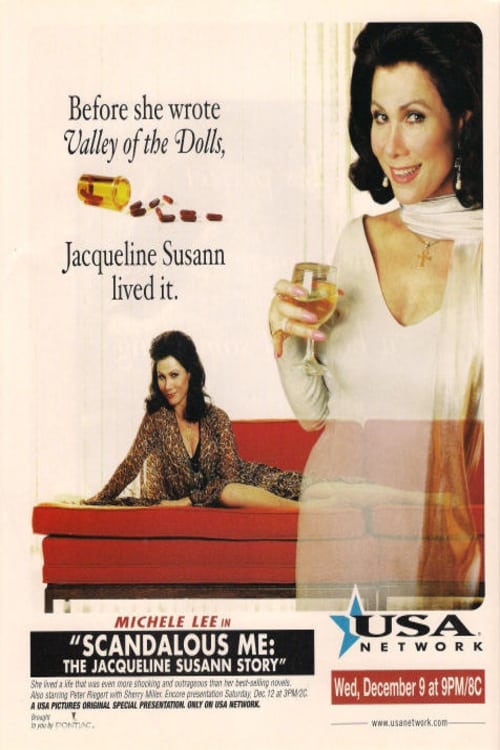
Scandalous Me: The Jacqueline Susann Story
1998
No user ratings available yet
Diversity score: 4.5 out of 10

2014
Director
Aisling Walsh
Runtime
80 minutes
Average Rating
No ratings yetSynopsis
In 1953 Dylan Thomas went to New York for the last time, his marriage a wreck, his drinking out of control. He was on his way to meet Stravinsky and to wallow in New York acclaim - but what was he escaping? How did such a triumph become a requiem? The last days of a great poet.
Overall Score
Limited
Category Breakdown
LGBTQ+ Representation
The film centers on a tumultuous marriage and the protagonist's personal decline. It lacks explicit non-cisnormative identities, remaining rooted in traditional 1950s domestic frameworks.
Gender Representation
Dylan Thomas is portrayed through instability and addiction rather than traditional masculine strength. However, women in the narrative show limited agency or disruption of gender hierarchies.
Racial & Ethnic Diversity
The story functions as a period-specific study of the mid-century literary elite. It lacks evidence of a diverse cast, focusing instead on a specific Anglo-Saxon historical milieu.
Religious & Cultural Diversity
The film explores the existential loneliness of the modern metropolis and the struggles of the artist. It depicts fractured traditional institutions through the lens of individual character flaws.
Disability Representation
Addiction and mental instability drive the tragic narrative arc. These elements serve the protagonist's journey rather than providing agency to characters with disabilities.
Strengths
Areas for Improvement
AI Analysis
A Poet in New York is a specialized biographical drama that prioritizes psychological vulnerability over broad social representation. It succeeds in deconstructing the 'invincible male icon' by highlighting the protagonist's fragility and self-destruction. However, the film operates within a narrow demographic. The narrative is tethered to a specific historical period and a singular, white, male-centric perspective, offering little room for intersectional voices or systemic critique. Ultimately, the work functions as a classical character study. While it offers depth regarding individual trauma, it lacks the breadth required for significant diversity across racial, gender, or LGBTQ+ spectrums.
1998
2010
1987
2016
No reviews yet. Be the first to share your thoughts on this movie!
Use the rating form above to leave a star rating and optional review.