The Cosmopolitans
2014
No user ratings available yet
Diversity score: 3.8 out of 10
1987
Director
Jill Godmilow
Runtime
88 minutes
Average Rating
No ratings yetSynopsis
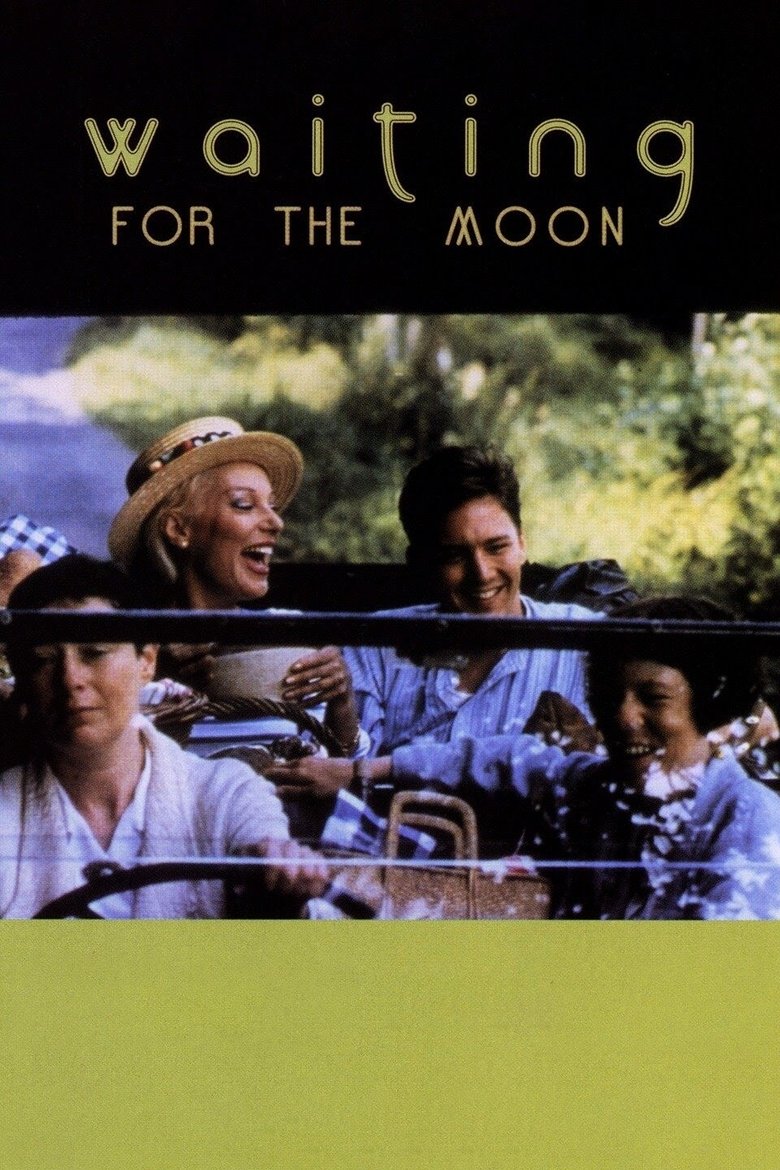
Fictionalized portrait of one of history's great literary couples: Stein & Toklas. Summer 1930s France, Alice tends to ailing Gertrude; they visit Fernande Olivier, Guillaume Apollinaire, others; and Hemingway pops in.
Overall Score
Good
Category Breakdown
LGBTQ+ Representation
The film centers on the non-heteronormative domestic arrangement between Stein and Toklas. It offers a sophisticated portrait of female intimacy that disrupts traditional romantic tropes.
Gender Representation
Female characters possess high agency and intellectual labor. The narrative elevates the female experience, portraying women as the primary drivers of their social and intellectual environment.
Racial & Ethnic Diversity
The cast is predominantly composed of white, Western intellectuals. While exploring diverse intellectual perspectives, the film lacks significant racial or ethnic breadth in its central casting.
Religious & Cultural Diversity
The story engages with themes of subjective morality and intellectual secularism. It portrays the expatriate community's departure from rigid, traditional Western moralities.
Disability Representation
The film touches on physical vulnerability through the depiction of ailing characters. However, these elements serve as character catalysts rather than exploring disability agency.
Strengths
Areas for Improvement
AI Analysis
Waiting for the Moon is a significant piece of feminist filmmaking that successfully disrupts conventional gender hierarchies. By centering the lives of Stein and Toklas, it provides a platform for non-traditional domestic narratives and female intellectual autonomy. The production excels in its portrayal of gender and LGBTQ+ identities, presenting women as central figures in the historical avant-garde. This subverts the patriarchal structures of the early 20th century through a nuanced lens of companionship. However, the film is limited by its specific historical subject matter, which results in a lack of racial diversity. The focus remains almost exclusively on a white, Western intellectual circle in 1930s France.
No reviews yet. Be the first to share your thoughts on this movie!
Use the rating form above to leave a star rating and optional review.