It's Arbor Day, Charlie Brown
1976
No user ratings available yet
Representation score: 2.0 out of 10
Representation Score
Minimal
1977
GDirector
Phil Roman
Runtime
24 minutes
Average Rating
No ratings yetNew Showbiz Analysis
This special exemplifies traditional mid-century animation, prioritizing a gentle moral framework over social disruption or critical commentary. The narrative structure reinforces conventional romantic and social hierarchies. By focusing on a culturally uniform suburban setting, the film avoids complex diversity issues, maintaining a homogenous portrayal of childhood.
Category Breakdown
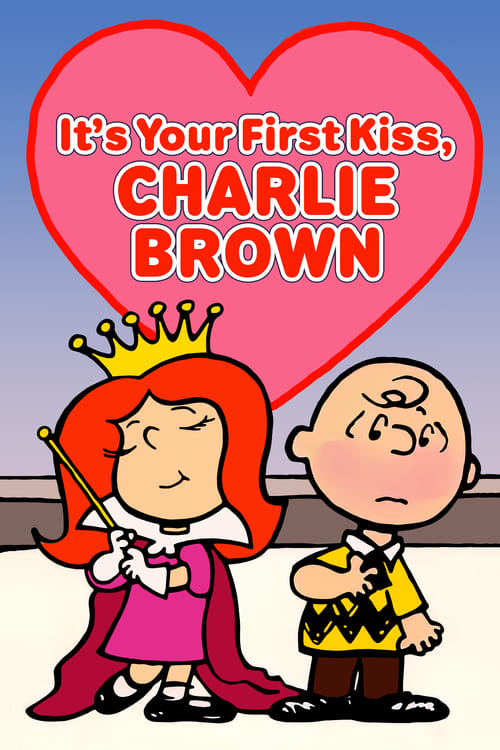
The story centers on heterosexual romance, focusing on Charlie Brown's feelings for the Little Red-Haired Girl. There is no representation of LGBTQ+ identities or same-sex relationships.
Female characters like Lucy have strong personalities but often act as obstacles to the male protagonist. The narrative emphasizes Charlie Brown's social anxiety and romantic struggles.
The cast reflects a homogeneous suburban demographic typical of mid-20th-century animation. There is a notable absence of racial or ethnic diversity among the main characters.
The film upholds a stable, middle-class suburban morality, emphasizing childhood innocence and social challenges within established institutions like schools and community events.
Charlie Brown's social anxiety is portrayed as a comedic trait rather than a nuanced exploration of neurodivergence. Physical or sensory disabilities are not depicted.
Present on Screen
Limited or Absent
Official Synopsis
For his school Homecoming, Charlie Brown is told that he will be escorting the Homecoming Queen to the dance, and is supposed to give her a traditional kiss. When he learns that the Homecoming Queen is the red-headed girl that he has pined for all his life, he really hopes to put in a good showing at the football game where he is the kicker. Unfortunately, Lucy will be holding the ball for him...
1976
1969
1981

1977
1986
1980
1981
1984
No reviews yet. Be the first to share your thoughts on this movie!
Use the rating form above to leave a star rating and optional review.