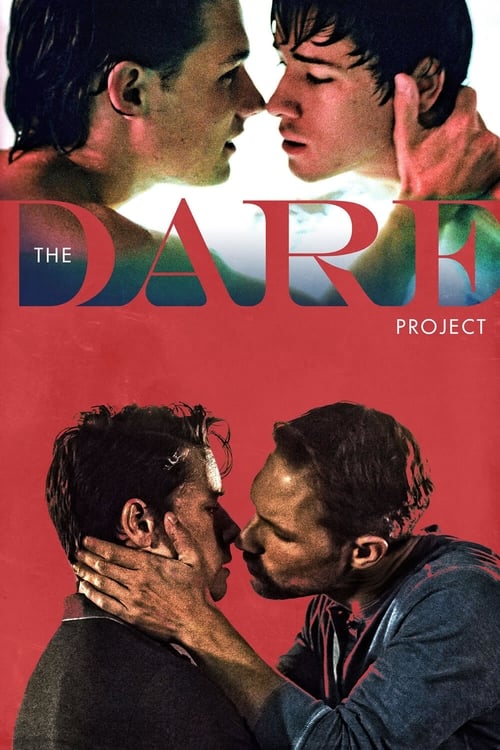
The Dare Project
2018
No user ratings available yet
Diversity score: 6.2 out of 10

2005
Director
Adam Salky
Runtime
16 minutes
Average Rating
No ratings yetSynopsis
Smart and lonely high school senior Ben secretly lusts after bad boy classmate Johnny. After play practice one night for the senior production of “A Streetcar Named Desire,” “light-boy” Ben gives Johnny, the play’s Stanley, a ride home to help him with his lines.
Overall Score
Good
Category Breakdown
LGBTQ+ Representation
The film centers on queer agency by exploring Ben's attraction to Johnny. It uses classical theater to mirror repressed desires, disrupting typical heteronormative high school tropes.
Gender Representation
The story operates within a male-centric social sphere. It focuses on deconstructing traditional masculinity rather than subverting broader gender hierarchies.
Racial & Ethnic Diversity
The narrative prioritizes psychological depth over ethnic intersectionality. The setting suggests a relatively homogeneous social environment.
Religious & Cultural Diversity
The film avoids traditional moral lessons, favoring moral relativism. It explores subjective truths and the messy reality of adolescent desire.
Disability Representation
There is no evidence of characters navigating physical or neurodivergent disabilities.
Strengths
Areas for Improvement
AI Analysis
Dare is a character-driven indie drama that succeeds by centering on the complex emotional landscapes of queer adolescence. By focusing on Ben's internal struggle and his attraction to Johnny, the film moves beyond simple coming-of-age tropes to offer a sophisticated look at identity. The film's strength lies in its refusal to impose rigid moral structures on its protagonists. Instead, it uses the subtext of 'A Streetcar Named Desire' to elevate the tension between the characters, providing a nuanced exploration of desire. However, the film's scope is narrow. The focus on a male-centric social sphere and a seemingly homogeneous environment limits its broader social impact and intersectional reach.
2018

2009

2013

2012

1987

1995

2010

2013

2018

2018

1995

2006
No reviews yet. Be the first to share your thoughts on this movie!
Use the rating form above to leave a star rating and optional review.