
Reach
2018
No user ratings available yet
Representation score: 5.5 out of 10
Representation Score
Fair
2018
Director
Tristan DuBois
Runtime
93 minutes
Average Rating
No ratings yetNew Showbiz Analysis
The film serves as a character-driven exploration of social friction and the tension between an individual and communal hierarchies. It emphasizes the internal psychological landscape of a cynical protagonist over broad demographic diversity. While the film lacks explicit evidence of diverse racial or ethnic representation, it engages with progressive themes by deconstructing established social norms. The focus remains on disrupting traditional archetypes rather than showcasing a wide array of identities. Ultimately, the work excels in examining intellectual cynicism and the struggle against a world that feels stacked against the individual.
Category Breakdown
The film delves into themes of social isolation and loneliness. Although specific identities are not confirmed, the narrative allows for nuanced explorations of non-traditional experiences.
The story focuses on a male-dominated social structure through the Spartans football team. It hints at a potential challenge to traditional masculine roles after a confrontation with the team's star athlete.
The setting seems localized and possibly homogeneous. There is no explicit evidence of a multi-ethnic or diverse cast within the provided context.
The film addresses themes of subjective morality and skepticism toward social institutions. It portrays societal expectations as potentially oppressive to an individual's internal truth.
The narrative does not include characters dealing with physical disabilities, neurodivergence, or chronic illness.
Present on Screen
Limited or Absent
Official Synopsis
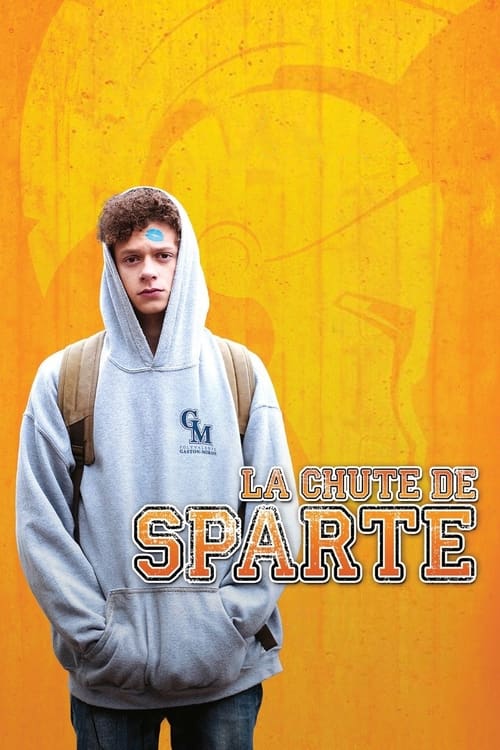
When we are young, we sometimes feel that the world is stacked against us. This is the case for 16 year-old Steeve Simard (Lévi Doré), who is entering his last year at Gaston-Miron High School in St-Lambert. A cynical intellectual with a critical view of himself and the world, he struggles to establish bonds with his parents and peers. He only has one friend: Virgil (Jonathan St-Armand). In order to evade his loneliness and fill a void in his imagination, he seeks refuge in his books and music. However, an incident with the star of the Spartans football team, will force Steeve to come out of his shell and face his destiny…
2018
2000
2019
2016

2021

2017

2018
2010
No reviews yet. Be the first to share your thoughts on this movie!
Use the rating form above to leave a star rating and optional review.