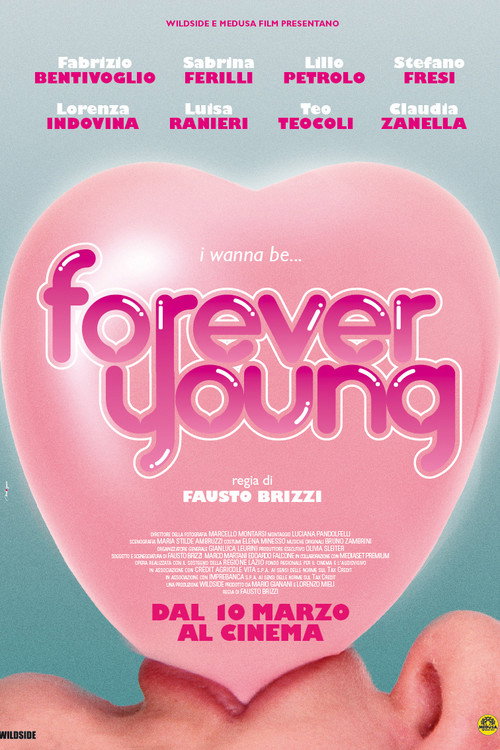
Forever Young
2016
No user ratings available yet
Representation score: 2.9 out of 10

Representation Score
Minimal
2013
Not RatedDirector
Wes Anderson
Runtime
8 minutes
Average Rating
No ratings yetNew Showbiz Analysis
Castello Cavalcanti is a stylized short film that prioritizes nostalgic aesthetics over progressive representation. It features a homogeneous cast and reinforces traditional gender roles, presenting an idealized view of Western heritage without challenging existing social hierarchies. The focus on lineage aligns with conservative cultural values rather than progressive frameworks. The narrative explores ancestry through a lens of cultural nostalgia, maintaining a strict adherence to traditional social dynamics. This approach results in low scores across diversity metrics, as the film does not incorporate diverse identities or critique established norms. The protagonist's journey involves embracing traditional roots, further cementing the film's conservative stance on identity and community. The lack of varied representation is a defining characteristic of the work's thematic scope.
Category Breakdown
The film does not include any LGBTQ+ characters or relationships. It focuses solely on heterosexual families and traditional gender roles set in the 1950s.
The movie emphasizes traditional gender roles. The main character is shown as passive and dependent on others. Women are depicted in traditional roles, highlighting their roles in the home rather than independence.
The cast is made up of white Italian-American actors. The story centers around a specific ethnic background without addressing broader racial diversity or challenging the dominance of white cultural norms.
The film portrays a traditional Western village life in an idealized manner. It aligns with conservative values regarding community and heritage, without offering any subversive or anti-Western commentary.
The film does not depict any characters with disabilities, neurodivergence, or chronic illnesses. The narrative does not address disability in any way.
Present on Screen
Limited or Absent
Official Synopsis
In 1955 in Italy, race car driver Jed Cavalcanti suffers a mishap during the Molte Miglia rally and finds himself in a small town with a few familial surprises.
2016
1971
1953
1974
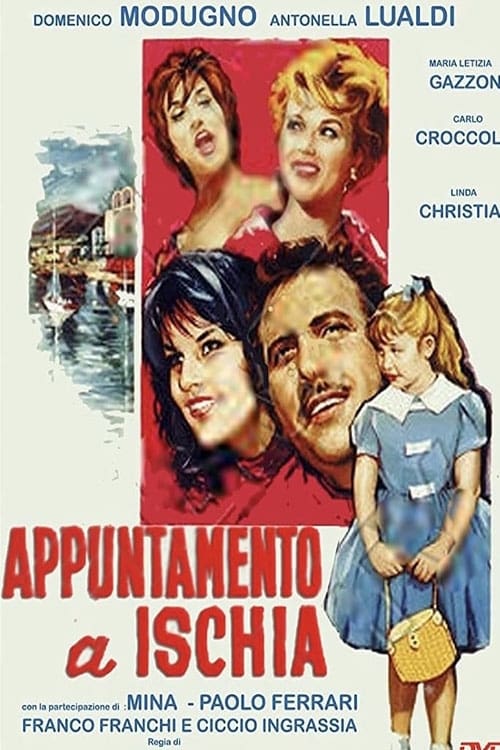
1960
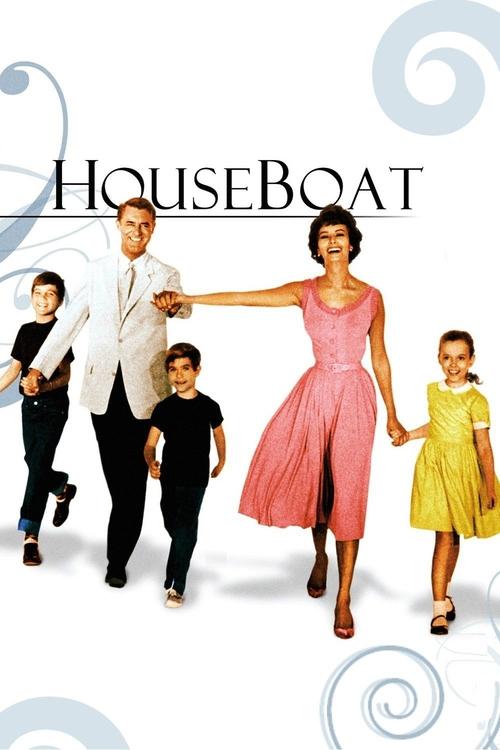
1958
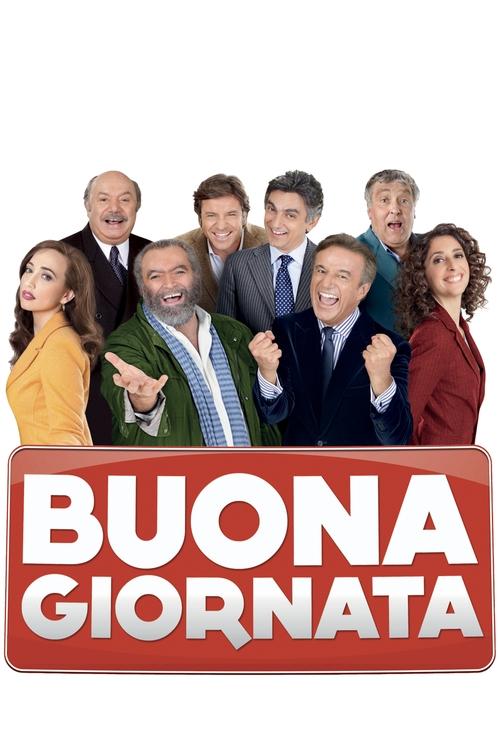
2012
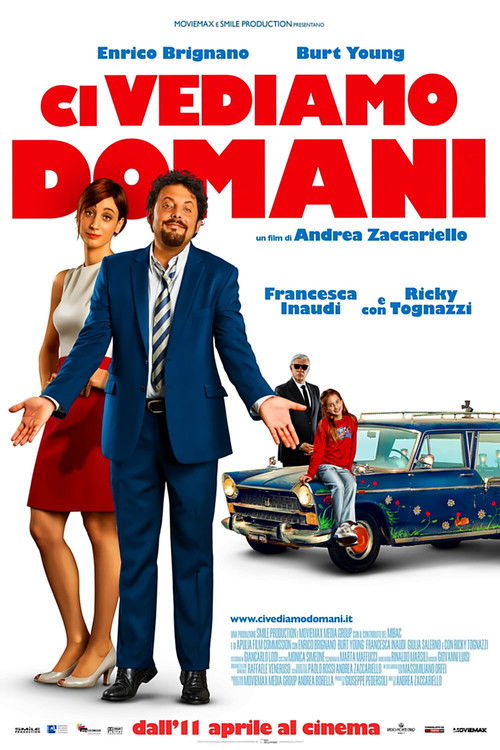
2013
No reviews yet. Be the first to share your thoughts on this movie!
Use the rating form above to leave a star rating and optional review.