
The Watermelon Woman
1997
No user ratings available yet
Diversity score: 9.0 out of 10
1993
Director
Cheryl Dunye
Runtime
23 minutes
Average Rating
No ratings yetSynopsis
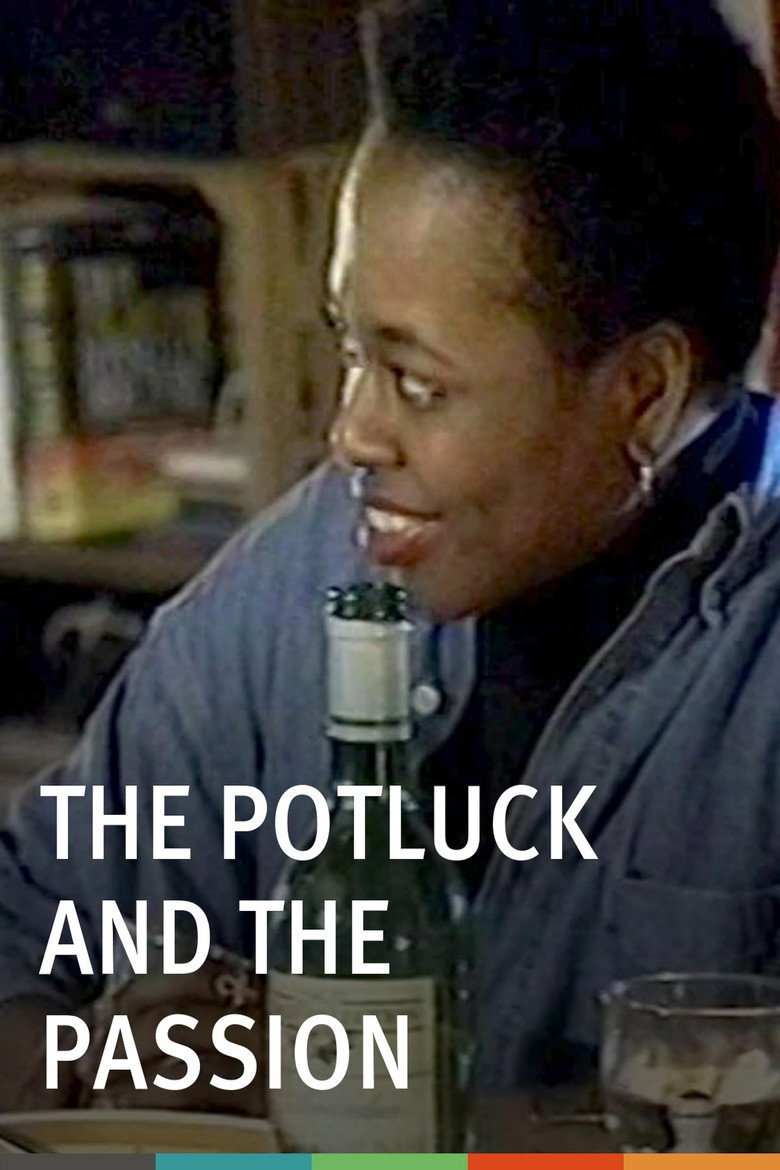
Sparks fly as racial, sexual and social politics intermingle at a lesbian potluck.
Overall Score
Excellent
Category Breakdown
LGBTQ+ Representation
The film centers its entire narrative on a lesbian social gathering. This placement ensures queer identity is the core of the story rather than a peripheral subplot.
Gender Representation
Female agency and social intellect drive the narrative. By removing male characters, the film explores complex interpersonal dynamics and leadership within a female-centric space.
Racial & Ethnic Diversity
The story examines how race and social politics intermingle within queer spaces. It prioritizes the agency of characters of color through a sophisticated intersectional lens.
Religious & Cultural Diversity
The film challenges mainstream hegemony by focusing on specific subcultural identities. It prioritizes lived experience and community identity over traditional institutional frameworks.
Disability Representation
There is no information available regarding the depiction of physical or neurodivergent disabilities in this work.
Strengths
Areas for Improvement
AI Analysis
Cheryl Dunye’s work serves as a vital exercise in reclaiming narrative agency for intersectional identities. By utilizing a localized social event, the film unpacks complex systemic identities that are often marginalized in mainstream cinema. The film successfully disrupts conventional drama tropes. It moves beyond tokenism to explore the nuances of same-sex intimacy and the intersection of race and sexuality. Overall, the film functions as a significant piece of intersectional cinema that centers non-heteronormative lives and challenges patriarchal social structures.
1997

1996
2010

2001

2012
2004

2006

2015
1980

2023

1997

1993
No reviews yet. Be the first to share your thoughts on this movie!
Use the rating form above to leave a star rating and optional review.