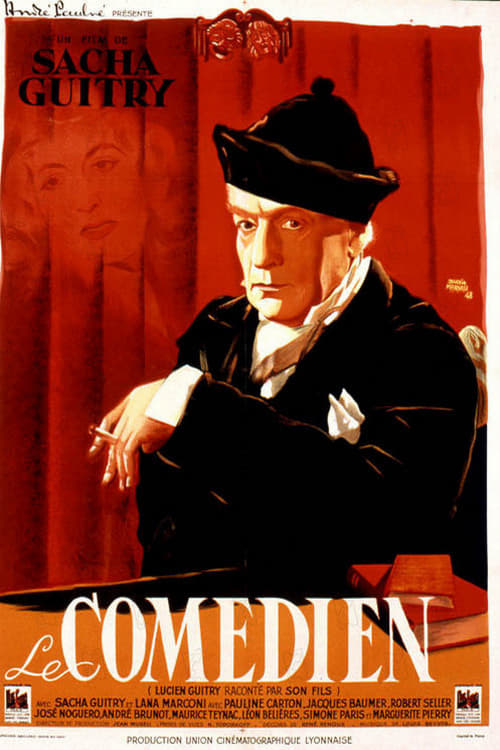
The Private Life of an Actor
1948
No user ratings available yet
Representation score: 2.0 out of 10
Representation Score
Minimal
1951
ApprovedDirector
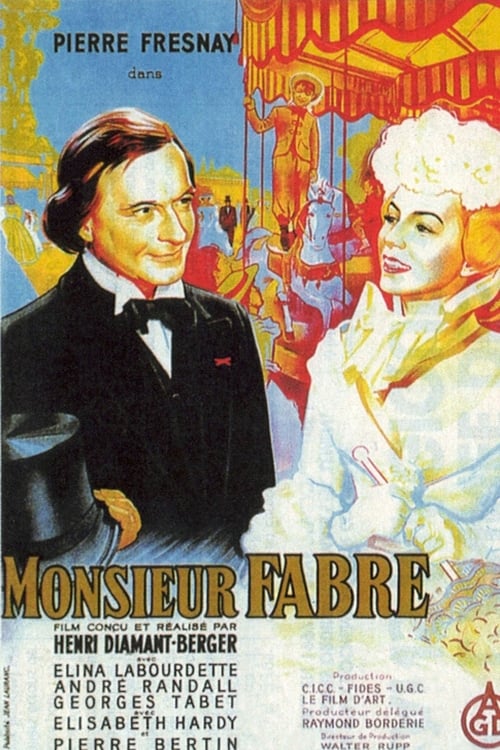
Henri Diamant-Berger
Runtime
90 minutes
Average Rating
No ratings yetNew Showbiz Analysis
This biographical drama follows the life and scientific achievements of Jean-Henri Fabre, emphasizing his interactions with prominent male historical figures such as Napoleon III and Raymond Poincaré. The narrative adheres closely to the social and demographic norms of its 19th-century French setting, offering little room for diverse perspectives or the subversion of historical hierarchies. Ultimately, the film serves to reinforce traditional institutional values and the pursuit of scientific excellence.
Category Breakdown
The film focuses solely on the scientific work of Jean-Henri Fabre and does not include any LGBTQ+ characters or themes related to non-straight identities.
The story centers on a male protagonist and his intellectual journey, with no female characters holding positions of significant influence or power.
Set in 19th-century France, the film reflects the homogeneous Western European population of the time. There is no diverse casting or racial disruption in the film.
The narrative celebrates traditional Western values of scientific rigor and institutional validation, reinforcing established social structures without critiquing them.
While the protagonist demonstrates great patience and determination, there is no central focus on physical or mental disabilities in the plot.
Present on Screen
Limited or Absent
Official Synopsis
It centres on the life of the entomologist Jean-Henri Fabre and his total devotion to studying insect behavior, travelling from Avignon to Paris, from Paris to his death in Sérignan. He is honoured by the French president Raymond Poincaré and his patience, obstinacy and knowledge are also recognised by Napoleon III, the publisher Charles Delagrave and the philosopher John Stuart Mill. They reach their climax in his book, Souvenirs entomologiques.
1948
1996
2018
2012
1997
1984
1999
2011
No reviews yet. Be the first to share your thoughts on this movie!
Use the rating form above to leave a star rating and optional review.