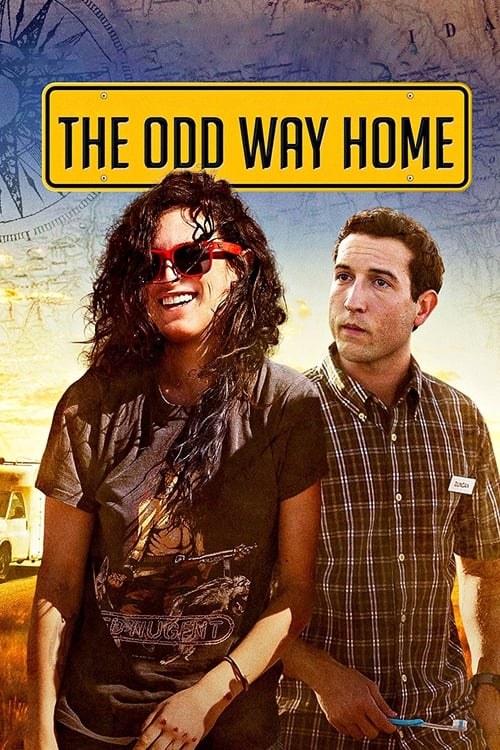
The Odd Way Home
2013
No user ratings available yet
Diversity score: 6.0 out of 10

2020
TV-14Director
Richard Summers-Calvert
Runtime
81 minutes
Average Rating
No ratings yetSynopsis
Ryan is a struggling son dealing with a constant internal battle regarding the inevitable loss of his Mother, and Sunny is desperate to escape the suffocating life that is depicted for her by her overbearing parents due to her being on the Autism spectrum. Both characters (and subsequently estranged family members) find themselves car-sharing to a funeral in Scotland. They have 3 days to feel comfortable in each other's company while feeling comfortable in their own skin.
Overall Score
Good
Category Breakdown
LGBTQ+ Representation
The film lacks explicit confirmation of queer characters or non-heteronormative identities. While themes of identity exploration are present, there is no verifiable evidence of specific LGBTQ+ narratives.
Gender Representation
The story centers on the emotional agency of Ryan and Sunny. Sunny’s struggle against overbearing parents suggests a subversion of traditional domestic hierarchies and a push for autonomy.
Racial & Ethnic Diversity
There is no information regarding the racial or ethnic composition of the cast. The narrative focuses on internal emotional states and a Scottish setting without specifying character backgrounds.
Religious & Cultural Diversity
The film deconstructs the traditional nuclear family by portraying parental figures as suffocating. It prioritizes personal liberation over the preservation of conventional social structures.
Disability Representation
Sunny is a protagonist on the Autism spectrum. The narrative integrates her neurodivergence as a primary driver of her character arc rather than using it as a secondary plot device.
Strengths
Areas for Improvement
AI Analysis
Drive Me to the End is a character-driven drama that finds its strength in the nuanced portrayal of neurodivergence. By centering Sunny’s experience on the Autism spectrum, the film grants her significant agency and treats her perspective as a central narrative force. The film also offers a critique of traditional domesticity. It challenges the idea of the nuclear family as a stable unit by framing familial expectations as restrictive and suffocating, favoring individual autonomy instead. However, the film's diversity profile is incomplete. There is a lack of information regarding racial, ethnic, and LGBTQ+ representation, leaving these aspects of the narrative unexamined.
2013

2015
2018

2016
2019

2002

2019
2012
2012
2018

2019

2008
No reviews yet. Be the first to share your thoughts on this movie!
Use the rating form above to leave a star rating and optional review.