My Sisters
2014
No user ratings available yet
Representation score: 7.8 out of 10
Representation Score
Good
2019
Director
Will Koopman
Runtime
110 minutes
Average Rating
No ratings yetNew Showbiz Analysis
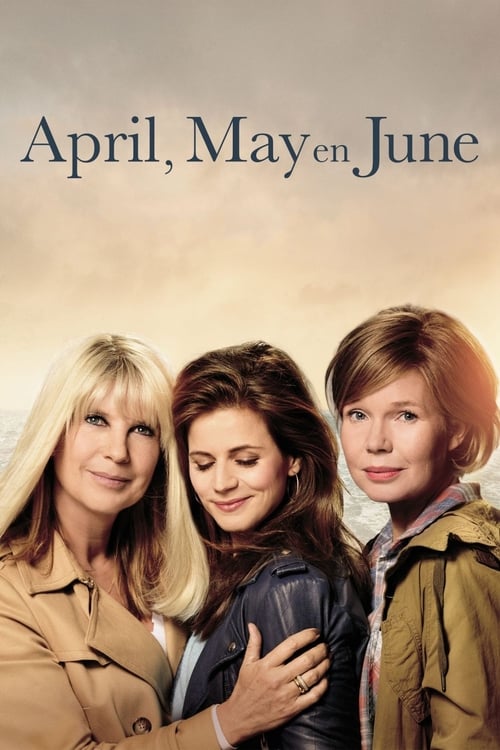
April, May and June is a character-driven film that breaks down traditional family structures. By focusing on three half-sisters navigating their mother's impending death, the film explores fragmented identities and non-traditional kinship. The narrative excels in portraying women's ability to drive the story and integrating neurodivergence. The inclusion of Jan, an autistic brother, ensures that disability is a central theme rather than a side note. However, the film lacks specific information about racial and ethnic diversity, leaving questions about LGBTQ+ identities and ability to act unaddressed.
Category Breakdown
The film explores non-traditional family structures through three half-sisters with different fathers. While specific LGBTQ identities are not mentioned, the departure from conventional family models allows for diverse orientations.
The story focuses entirely on the perspectives and actions of the daughters. By emphasizing the emotional intelligence and interpersonal relationships of the female characters, the film challenges traditional patriarchal structures.
There is no information available regarding the racial or ethnic composition of the characters. As a result, no assessment can be made.
The story challenges the traditional Western family unit by highlighting disparate paternal lineages. It moves away from conventional domesticity toward an existential examination of legacy.
The inclusion of an autistic brother, Jan, integrates neurodivergence into the main storyline. The characters' roles are closely tied to their responsibilities towards a neurodivergent family member.
Present on Screen
Limited or Absent
Official Synopsis
To inform each personally about her impending death, Mies summons her three daughters home. The three half-sisters April, May and June, each of whom has a different father, start to question their lives: "Where are we at in life? What do we still have in common? What will happen to our autistic brother Jan?"
2014

2000
2018
2015

2023
2023

2018
2025
No reviews yet. Be the first to share your thoughts on this movie!
Use the rating form above to leave a star rating and optional review.