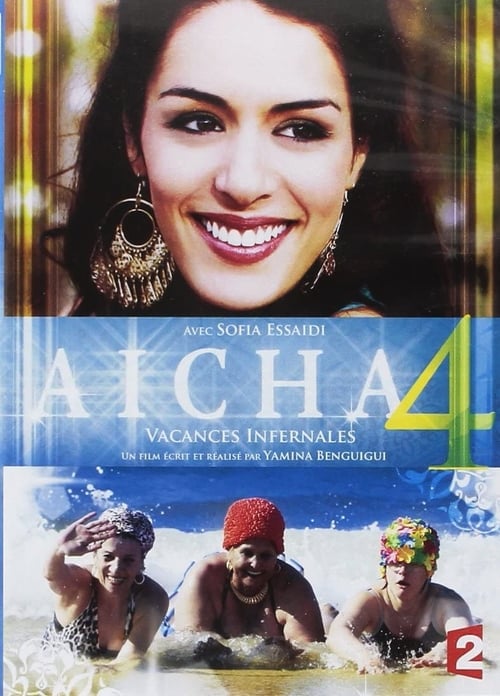
Aïcha : Vacances infernales
2012
No user ratings available yet
Representation score: 5.4 out of 10
Representation Score
Fair
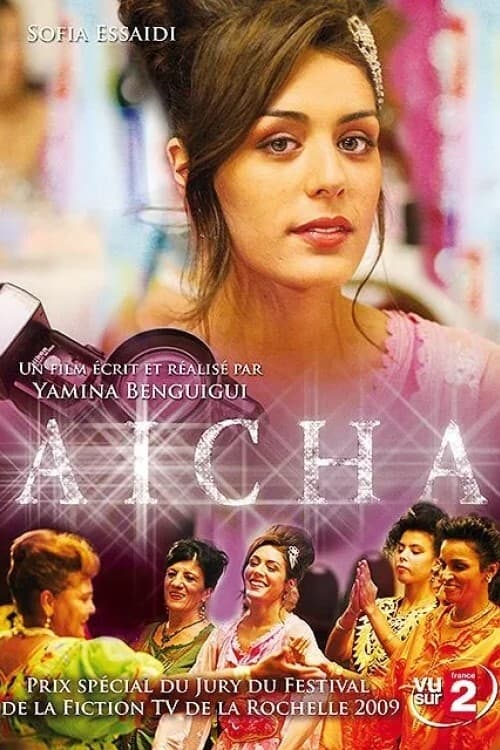
2009
Director
Yamina Benguigui
Runtime
90 minutes
Average Rating
No ratings yetNew Showbiz Analysis
Aïcha is a compelling exploration of intersecting identities, particularly focusing on race, gender, and post-colonial status. By centering the experiences of the North African diaspora in France, the film disrupts traditional Western narrative expectations. The film adeptly deconstructs social stratification. It highlights the tension between a woman's desire for independence and the patriarchal structures of her community, as well as the systemic exclusion imposed by the state. While the film does not engage with LGBTQ+ themes, its nuanced portrayal of underrepresented women and post-colonial identity makes it a culturally resonant piece of cinema.
Category Breakdown
The film does not include any LGBTQ+ characters or storylines. The narrative centers on the protagonist's struggle within traditional cultural frameworks.
Aïcha's pursuit of autonomy challenges patriarchal expectations. The story emphasizes her ability to drive the plot as she navigates the restrictive social pressures of her community.
The film provides a unique depiction of the Maghrebi diaspora. By focusing on a North African protagonist, it challenges the idea that white, middle-class experiences are the norm.
The narrative examines the conflict between traditional values and secular individualism. It highlights the systemic socioeconomic exclusion faced by immigrant populations in the French periphery.
There is no significant evidence regarding the portrayal of physical or neurodivergent disabilities within the film.
Present on Screen
Limited or Absent
Official Synopsis
A few miles from Paris, on the other side of the northern ring road, stands a ghetto neighborhood with countless rows of dilapidated apartment buildings, their concrete crumbling and iron rusting. A multiracial community has long been rooted here, while most native French families have deserted the area. In tower 216 lives a "model" family of Algerian origin, the Bouamazzas. Our heroine, Aïcha, 25, the eldest daughter, is held up as an example by the whole community. But Aïcha can no longer bear the weight of the community: she wants to spread her wings, gain her independence, and finally cross the Rubicon.
2012
2011
2011
1998

2020

2023
2008
No reviews yet. Be the first to share your thoughts on this movie!
Use the rating form above to leave a star rating and optional review.