
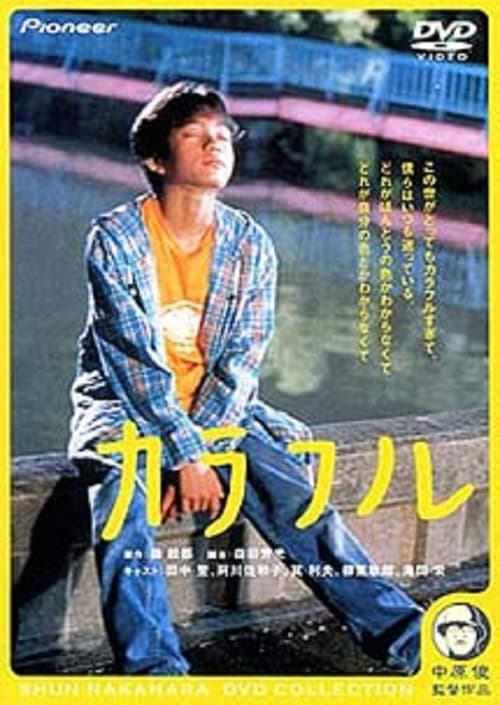
Colorful
2010
No user ratings available yet
Representation score: 7.2 out of 10
Representation Score
Excellent
2000
Director
Shun Nakahara
Runtime
98 minutes
Average Rating
No ratings yetNew Showbiz Analysis
Colorful is a profound deconstruction of social conformity that uses the metaphor of color to challenge rigid institutional structures. It succeeds by framing adolescent rebellion as a necessary reclamation of identity against systemic failures. The film excels in its subversion of gender and institutional morality. By centering women's ability to drive the story and critiquing the state, it provides a progressive look at how individuals navigate oppressive social expectations. However, the film remains limited by its homogeneous racial profile. While it explores underrepresented identities through the lens of social outcasts, it lacks broader ethnic representation.
Category Breakdown
The film delves into strong, non-traditional emotional bonds between female characters. These deep connections challenge conventional expectations of relationships and highlight fluid adolescent intimacy.
The narrative emphasizes female empowerment and autonomy. Characters are defined by their struggle against institutional discipline rather than their relationships to men, highlighting their independence and ability to act.
The cast is predominantly homogeneous, reflecting the localized Japanese social context. It focuses on internal social stratification rather than ethnic diversity.
The film offers a sophisticated critique of rigid social systems and institutional authority. It portrays family and state structures as potentially oppressive forces.
The story provides a deep exploration of mental health and psychological isolation. The protagonist's struggle serves as a metaphor for navigating a society that views instability as a pathology.
Present on Screen
Limited or Absent
Official Synopsis
Upon reaching the train station to death, a dejected soul is informed that he is "lucky" and will have another chance at life. He is placed in the body of a 14-year-old boy named Makoto Kobayashi, who has just committed suicide.
2010

1968

2022

1941

2020

1991

2005

2017
No reviews yet. Be the first to share your thoughts on this movie!
Use the rating form above to leave a star rating and optional review.