Living Doll
1990
No user ratings available yet
Representation score: 1.6 out of 10
Representation Score
Fair
2002
Director
Guy Crawford
Runtime
84 minutes
Average Rating
No ratings yetNew Showbiz Analysis
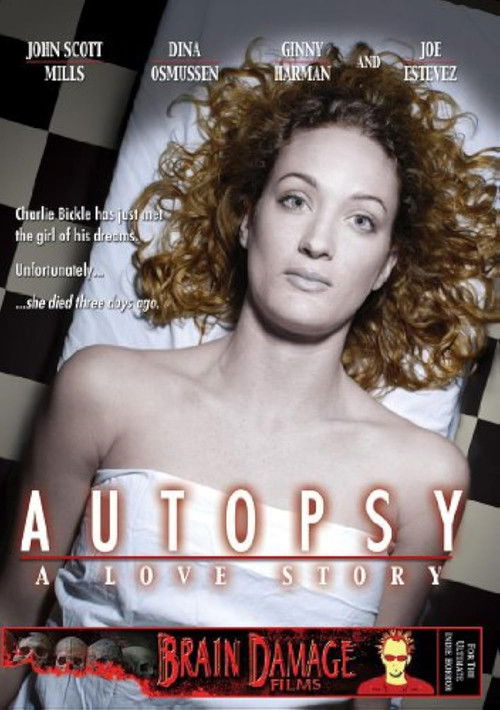
Autopsy: A Love Story is a transgressive horror film that prioritizes psychological shock and systemic critique over identity-based representation. While it challenges traditional social norms through its dark premise, it fails to delve into the lived experiences of its characters. The film's primary strength lies in its cynical deconstruction of institutional authority, particularly regarding medical and law enforcement corruption. However, this focus comes at the expense of diverse casting and multi-layered depth. Ultimately, the work focuses on individual pathology and social alienation. It lacks the character-driven narratives and ethnic diversity needed for a more progressive representation score.
Category Breakdown
The film includes a relationship between a living person and a deceased individual, which serves as a psychological horror element rather than a meaningful exploration of LGBTQ+ identity or non-cisgender experiences.
Female characters such as the protagonist's wife and Jane Doe mainly serve as catalysts for the male lead's emotional journey. This reinforces a traditional gender dynamic despite the film's dark setting.
The story lacks evidence of a diverse or non-Anglo-Saxon cast. The setting and character descriptions suggest a homogeneous environment.
The film critiques Western institutions by depicting medical professionals and law enforcement as corrupt. It presents a cynical view of authority and capitalism through an illegal organ trade.
Mary, a disabled character, influences the protagonist's domestic life. However, the film does not provide evidence of her personal ability to act or a nuanced depiction of her condition.
Present on Screen
Limited or Absent
Official Synopsis
The lonely Charlie Bickle works in a morgue owned by the corrupt Dr. Dale Brodsky cremating bodies and lives with his crippled wife Mary. Dr. Dale illegally sells body parts before the cremation, bribing dirty policemen. When Charlie meets the suicidal Jane Doe, he falls in love for her and dates the corpse until her twin sister comes to the morgue seeking her missing sister.
1990
1974
2020
1987
2010

2007
2013
2024
No reviews yet. Be the first to share your thoughts on this movie!
Use the rating form above to leave a star rating and optional review.