
The Miracle of Saint Anthony
2012
No user ratings available yet
Representation score: 4.0 out of 10
Representation Score
Limited
1994
Director
Catarina Alves Costa
Runtime
55 minutes
Average Rating
No ratings yetNew Showbiz Analysis
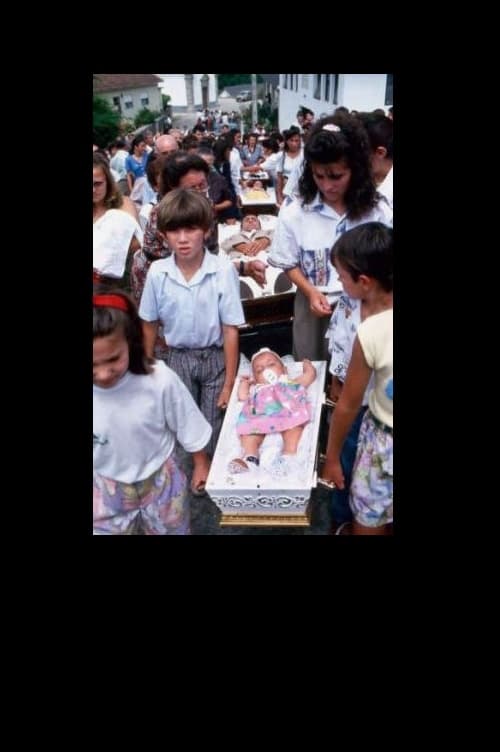
Senhora Aparecida opens on the dusty, sun-bleached streets of an industrial town in Northern Rio de Janeiro, where the air is thick with the scent of incense and the weight of centuries-old obligation. Director Catarina Alves Costa frames the annual festival of Our Lady of Aparecida not as a quaint cultural curiosity, but as a site of genuine spiritual conflict. The sold meaning is clear: the community’s "burials"—where penitents are laid in coffins to fulfill promises to the Virgin—are not superstition, but a vital, authentic expression of faith that the new priest’s modernizing agenda threatens to erase. The film’s argument rests on the tension between institutional authority and local tradition. The new priest, representing the official church’s desire for order and doctrinal purity, views the coffin rituals as excessive or outdated. In contrast, the penitents, predominantly Black and mixed-race residents, embody a syncretic spirituality that has survived colonialism and industrialization. The camera lingers on their faces, their decorated floats, and their solemn preparations, treating their practices with a reverence that the priest’s bureaucratic language cannot match. This is not a film that mocks the "backwardness" of rural religion; rather, it positions the community’s embodied faith as the true heart of the church, while the priest’s modernity appears hollow and disconnected. The ending settles on the community’s resilience. The "burials" are not abandoned; they are performed, asserting the power of local tradition over top-down ecclesiastical control. The film does not offer a neat resolution to the conflict, but it makes a moral verdict: the authentic, lived experience of the faithful outweighs the sterile efficiency of institutional modernity. By centering the voices of the penitents and the sensory richness of their rituals, Alves Costa validates a form of religiosity that is deeply rooted in African heritage and local identity. The last image is not of the priest’s victory, but of the community’s enduring faith, a quiet but powerful assertion that tradition is not a relic to be discarded, but a living force that defines who they are.
Category Breakdown
No queer characters or same-sex intimacy appear in this ethnographic portrait. The community’s social fabric is defined by heterosexual marriage and traditional gender roles, leaving no room for alternative sexualities.
Women appear as devout penitents and domestic anchors, yet narrative power rests with male clergy. The new priest’s authority to suppress "burials" highlights a gendered hierarchy where male institutional power dictates female spiritual expression.
The film centers on Afro-Brazilian religious traditions in Northern Rio de Janeiro. Black and mixed-race residents are the primary subjects, depicted with dignity as keepers of a centuries-old ritual blending African heritage with Catholic dogma.
The film treats local tradition as the moral center, positioning the official church’s modernizing impulses as the obstacle to authentic faith. The "burial" promise is framed as a legitimate spiritual practice, validating community heritage against institutional standardization.
No characters with physical, sensory, or cognitive disabilities are identified or depicted. The focus remains on the spiritual and social dynamics of the festival, with no narrative weight given to impairment or accessibility.
Present on Screen
Limited or Absent
Official Synopsis
In Aparecida, an industrial area in Northern Rio de Janeiro state, the annual festival that takes place on August 15th is being prepared. The floats are being decorated, and the coffins in which the penitents will be laid, according to a centuries-old tradition, are already prepared. The new priest, however, wants to end the tradition of making promises to Our Lady of Aparecida to perform "burials." Conflict is inevitable. This is a film that tells the story of those who fulfill promises to Our Lady of Aparecida, their desires and personal stories, reflecting on traditional and official religiosity, tradition and modernity.
2012

2020

2004
2019
1999
2012

2006

2006
No reviews yet. Be the first to share your thoughts on this movie!
Use the rating form above to leave a star rating and optional review.