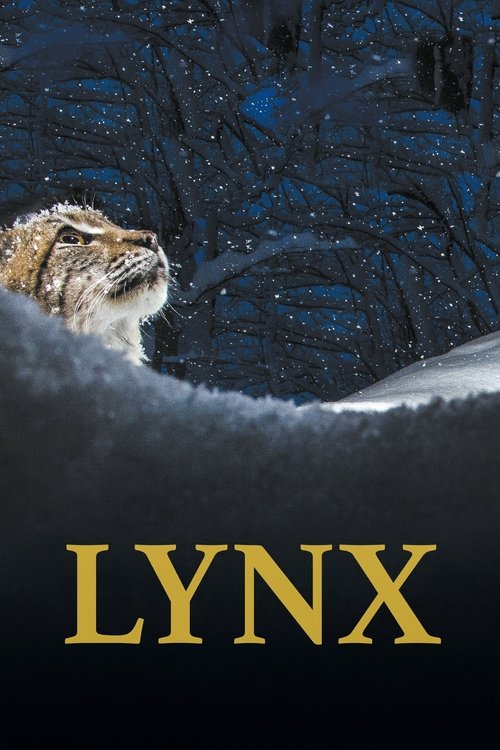
Lynx
2021
No user ratings available yet
Representation score: 0.0 out of 10
Representation Score
Minimal
2022
NRDirector
Eric Bendick
Runtime
90 minutes
Average Rating
No ratings yetNew Showbiz Analysis
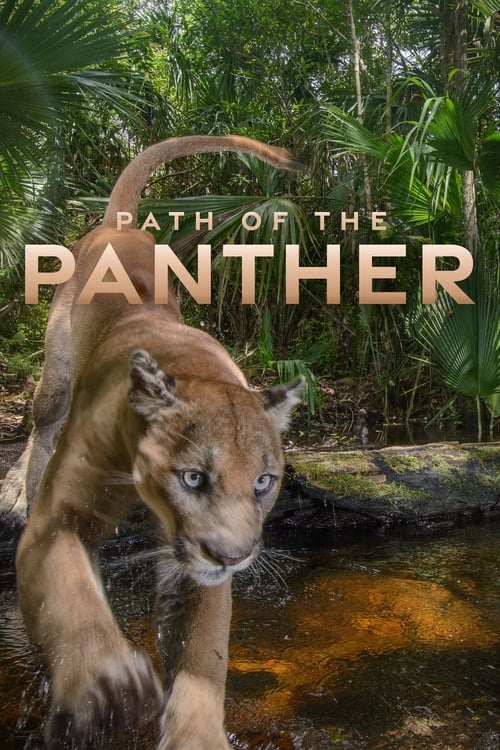
Path of the Panther is a nature documentary that follows National Geographic photographer Carlton Ward Jr. and his team as they document and protect the endangered Florida panther in the Everglades. The film’s human cast is uniformly white and male, with no women, people of color, or LGBTQ+ individuals visible in fieldwork or interviews. Its cultural stance is straightforward environmentalism: habitat loss is the antagonist, and conservation is the moral imperative. The film does not interrogate broader social systems or power structures beyond ecological degradation. Because the documentary’s scope is narrowly ecological and its human subjects lack demographic variety, its diversity footprint is minimal. The absence of women, racial minorities, and disabled voices is consistent across the credited participants and on-screen roles.
Category Breakdown
No LGBTQ+ characters appear or are identified. The documentary centers on wildlife conservation and never engages with sexual orientation or gender identity in its storytelling.
The narrative is driven by male conservationists and photographers. Women are absent from field leadership and do not shape the on-screen action or interviews.
All credited human subjects are white. People of color are absent from the conservation team and from any interview segments featured in the film.
The film advocates environmental protection and frames habitat loss as a threat. It does not critique Western institutions, religion, or capitalism in its cultural framing.
No characters with disabilities appear. The documentary does not address physical or mental health conditions within its human or wildlife narratives.
Present on Screen
Limited or Absent
Official Synopsis
“These animals are like ghosts,” says Carlton Ward Jr.—National Geographic explorer, photographer, and 8th generation Floridian—at the beginning of this captivating film that endeavors to keep the Florida Panther from becoming just that: a ghost. As the last big cat surviving in the eastern United States and the state animal of Florida, the panther is an icon of Florida’s ever-diminishing wild places, as revealed in the film’s sumptuous images. Leading a team that includes cowboys, wildlife biologists, photographers/videographers, and a lot of folks who simply care about the future of Florida’s fragile ecology, Ward treks repeatedly into the Everglades and expanses of South Florida to seek, record, and save these ghosts.
2021
2021
2018
2016

2017
2015
2018
2014
No reviews yet. Be the first to share your thoughts on this movie!
Use the rating form above to leave a star rating and optional review.