
The Way of the Cheetah
2022
No user ratings available yet
Representation score: 0.7 out of 10
Representation Score
Minimal
2017
Director
Richard Slater-Jones
Runtime
44 minutes
Average Rating
No ratings yetNew Showbiz Analysis
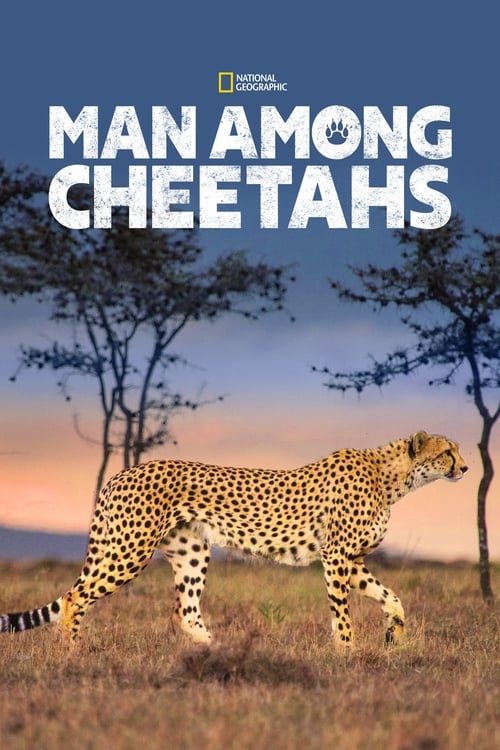
The film opens with the vast, empty expanse of the Kenyan savanna, a landscape stripped of human presence until Bob Poole’s voiceover asserts his lifelong connection to the land. This framing immediately establishes the sold meaning: the wild is a noble, fragile entity that requires the benevolent, expert eye of the Western guardian to survive. Poole is positioned as the moral center, his rugged masculinity and physical endurance mirroring the cheetahs’ struggle, while the cheetah mother, Naborr, is revered as a biological miracle. The camera lingers on Poole’s determined face and the cheetahs’ vulnerable eyes, creating a symbiotic relationship between the viewer’s empathy and the narrator’s authority. However, the film’s internal logic reveals a contradiction in its conservation message. While it preaches the urgency of protecting the cheetahs from human encroachment, it simultaneously erases the local human communities who actually inhabit these spaces. By presenting the landscape as a pristine, pre-human void, the film reinforces a colonial narrative where Western intervention is the only viable solution to ecological crisis. The "white savior" archetype is not just present but essential; Poole’s presence is framed as beneficial and necessary, while the complex socio-economic forces driving habitat loss are left unexamined. The ending settles on a wide shot of the cheetahs in their natural habitat, a final image that rewards the viewer with a sense of tragic beauty. Yet, this beauty is contingent on the absence of local agency. The film’s argument is that nature is a pristine, untouched space that needs to be protected from human interference, ignoring the complex history of human-animal coexistence. In the final frame, the camera loves the cheetahs, but it also loves the idea of the Western man as the sole protector of that love, leaving the local population invisible and the political economy of conservation unchallenged.
Category Breakdown
Absent. The narrative focuses exclusively on the maternal bond between the cheetahs and the solitary male narrator. No same-sex intimacy, queer identity, or non-binary figures appear on screen.
Limited. Bob Poole embodies rugged, competent masculinity as the sole human authority, while the cheetah mother serves as the only female figure, valued strictly for her biological nurturing. No women appear as agents, and gender dynamics remain confined to traditional protector/protege roles.
Limited. Bob Poole, a white Westerner, is the sole named human presence, framing the African landscape through a colonial gaze. Local communities are absent or invisible, reinforcing a narrative where Western expertise is the primary lens for interpreting the continent’s wildlife.
Limited. The film treats the African wilderness as a pristine, pre-human space requiring Western stewardship. Traditional local relationships with the land are unexamined, and the conservation message relies on the authority of the outsider rather than indigenous ecological knowledge.
Absent. No characters with physical, sensory, or cognitive impairments are depicted. The narrative centers on physical agility and survival, with no exploration of disability as an identity or lived experience.
Present on Screen
Limited or Absent
Official Synopsis
A wildlife filmmaker tries to keep up with a Cheetah mom determined to keep her cubs alive.
2022
2016

2024
2021

2017
2014

2026
2020
No reviews yet. Be the first to share your thoughts on this movie!
Use the rating form above to leave a star rating and optional review.