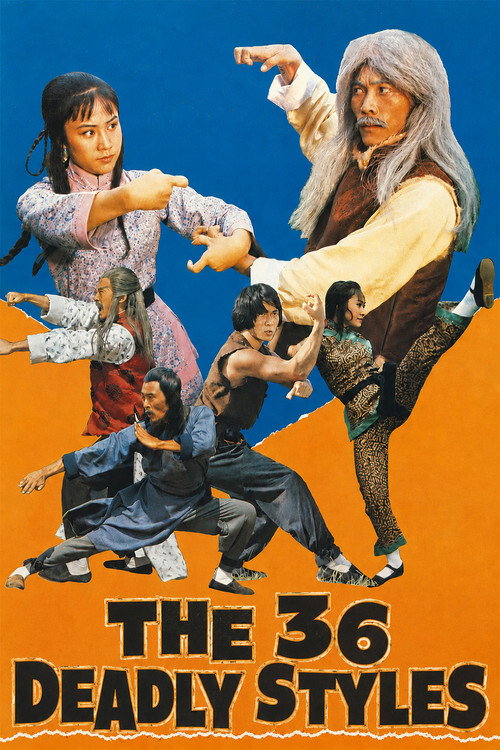
The 36 Deadly Styles
1979
No user ratings available yet
Diversity score: 4.4 out of 10
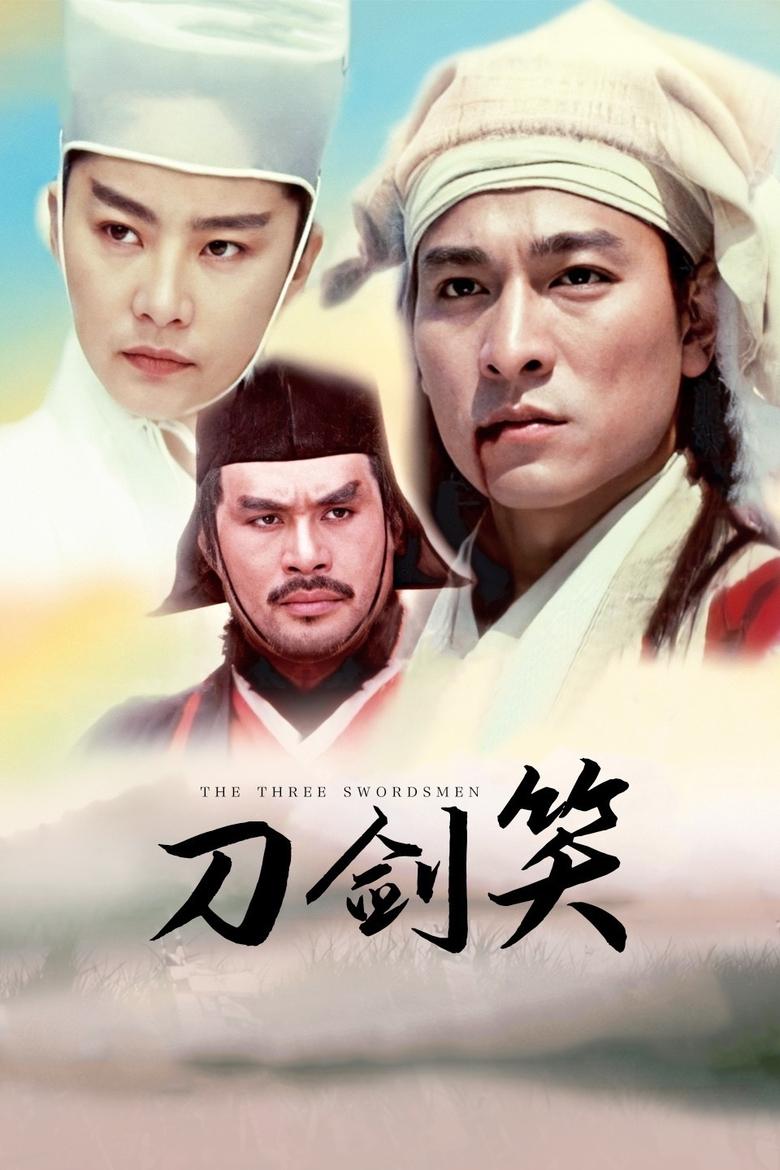
1994
Not RatedDirector
Taylor Wong Tai-Loi
Runtime
86 minutes
Average Rating
No ratings yetSynopsis
Samurai and Smiling Sam are two famous martial arts masters in Central China. On the night before the big martial arts competition, someone murders the Empress, and the two swordsmen are framed for the crime. Determined to clear their name, they soon uncover a heinous plot that must be stopped. Meanwhile, a third swordsman, Big Knife, tries to track the pair down so he can join their fight.
Overall Score
Fair
Category Breakdown
LGBTQ+ Representation
The story centers on a brotherhood of martial arts masters and a political conspiracy. It lacks any documented non-cisnormative identities or narratives that critique heteronormativity.
Gender Representation
Male protagonists drive the central plot as they navigate a crisis of reputation. While an Empress's death triggers the story, she serves as a functional plot device rather than a character with agency.
Racial & Ethnic Diversity
The film features a predominantly East Asian cast and setting typical of the Hong Kong industry. It presents a homogeneous cultural perspective without intentional blending of diverse ethnic identities.
Religious & Cultural Diversity
The narrative emphasizes classical notions of honor, justice, and social order. It operates within established imperial and martial traditions rather than prioritizing secular or anti-institutional themes.
Disability Representation
There are no visible or invisible disabilities central to the character arcs or the progression of the plot.
Strengths
Areas for Improvement
AI Analysis
The film is a traditional wuxia action piece that adheres to established genre tropes of the 1990s. Its narrative focus remains on honor, reputation, and the resolution of a conspiracy involving martial arts masters. Because the work predates modern identity-driven storytelling, it lacks progressive subversion or intersectional narrative architectures. The characters primarily embody traditional masculine archetypes common to the martial arts genre. While the film fulfills the cultural standards of its regional Hong Kong context, it does not seek to disrupt social hierarchies or provide diverse representation beyond its specific genre framework.
1979
1998
1979
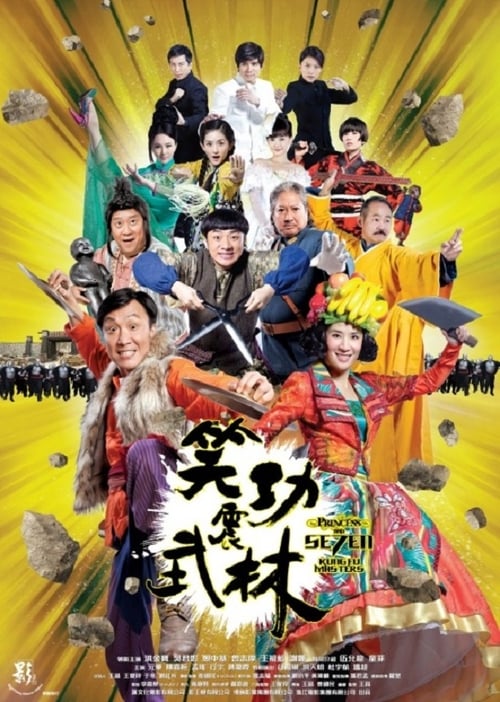
2013

1980
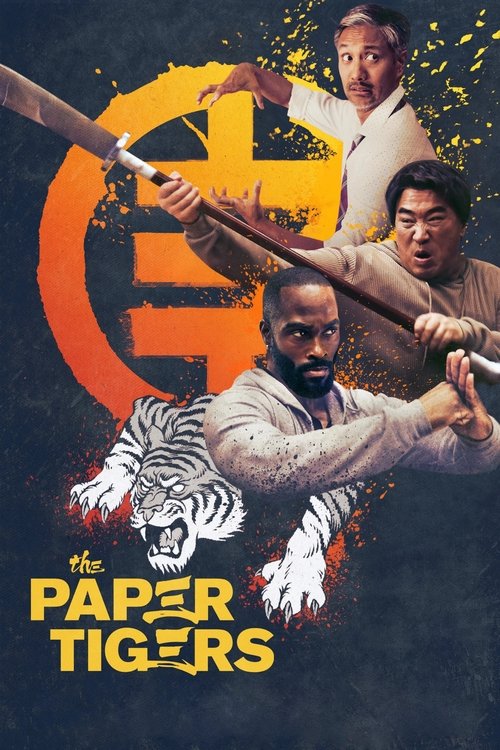
2020
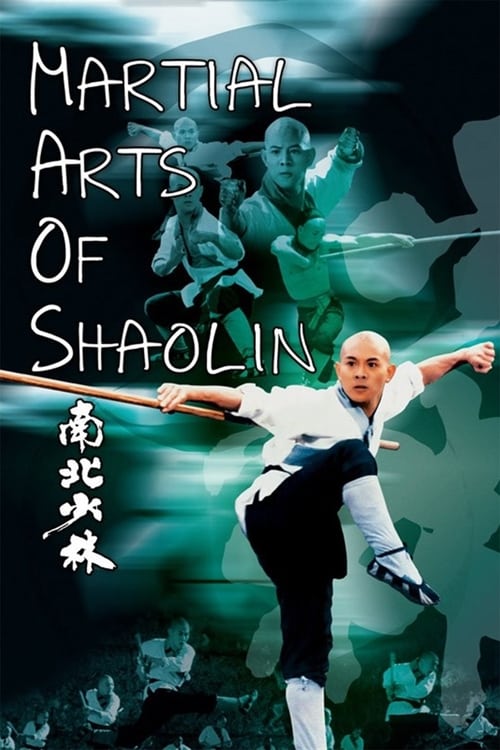
1986

1968
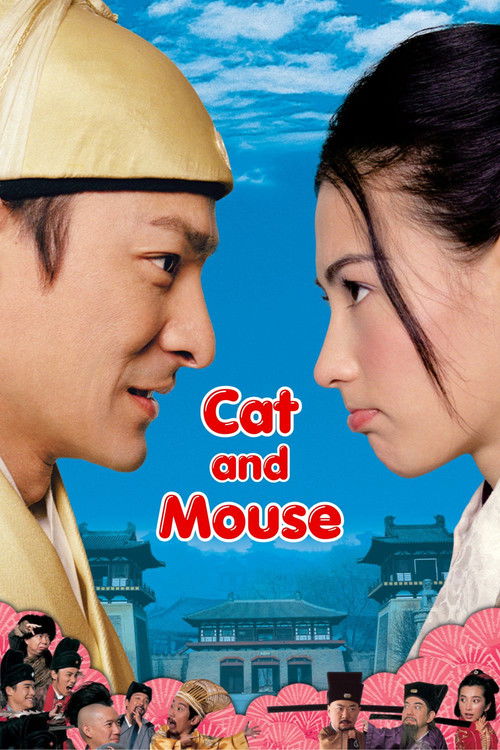
2003
1973
1993
No reviews yet. Be the first to share your thoughts on this movie!
Use the rating form above to leave a star rating and optional review.