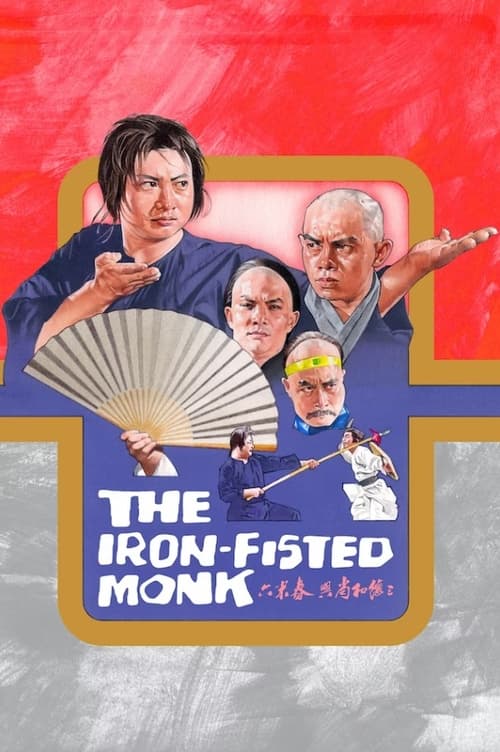
The Iron-Fisted Monk
1977
No user ratings available yet
Representation score: 2.8 out of 10
Representation Score
Limited
1973
RDirector
Ngai Hoi-Fung, Chu Mu
Runtime
80 minutes
Average Rating
No ratings yetNew Showbiz Analysis
The film is a quintessential example of 1970s Hong Kong martial arts cinema. It excels in ethnic specificity by centering a narrative on local Chinese social dynamics and rejecting Western-centric storytelling models. However, the film remains deeply rooted in traditional patriarchal structures. The story is driven by masculine archetypes and a conflict centered on male authority, which limits gender diversity. While it provides a strong sense of cultural identity through martial arts, it reinforces traditional Confucian moral frameworks rather than challenging them.
Category Breakdown
The film does not include any LGBTQ+ characters or stories that challenge the assumption that everyone is straight or cisgender. It follows the traditional social structures of 1970s Hong Kong action cinema.
The plot is driven by masculine archetypes of martial arts mastery and revenge. Male characters play a significant role in driving the story, reinforcing traditional gender hierarchies.
The film features a cohesive, non-Anglo-Saxon cast. It centers on local Chinese social dynamics, providing a profound expression of cultural specificity and ethnic ability to act.
The narrative operates within a framework of traditional Confucian values. It reinforces concepts of family and duty through themes of filial piety and vengeance.
There are no visible or invisible disabilities identified within the primary character arcs.
Present on Screen
Limited or Absent
Official Synopsis
Hsiao Hu has been secretly training in martial arts, as his father (Tien Feng) has forbidden him. Later, some local store owners ask Ah to help protect them from a greedy Chinese extortion ring. Ah discovers that the crime lord behind the extortion had killed his father years before and is determined for revenge.
1977
1978
1974
1979

1980
1979
1976
1979
No reviews yet. Be the first to share your thoughts on this movie!
Use the rating form above to leave a star rating and optional review.