
One-way to Moscow
2020
No user ratings available yet
Representation score: 6.1 out of 10
Representation Score
Fair
2013
Director
Lionel Baier
Runtime
85 minutes
Average Rating
No ratings yetNew Showbiz Analysis
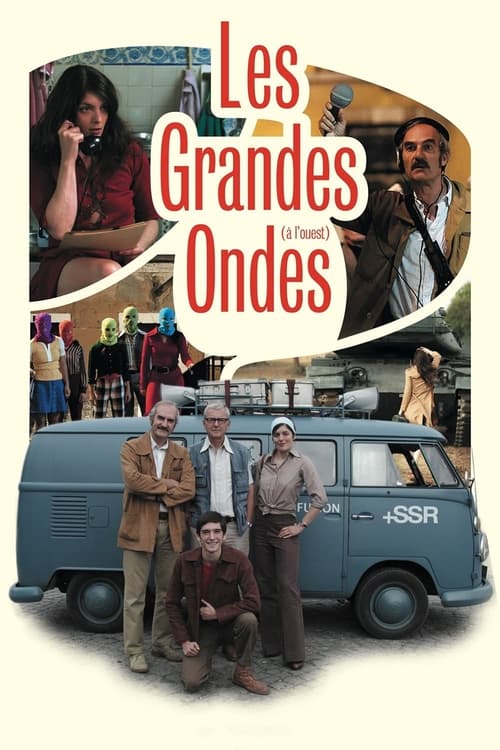
Longwave uses a journalistic expedition to explore shifting social hierarchies. It deconstructs institutional authority and challenges traditional gender roles during a time of geopolitical change. The film's strength lies in its thematic depth, particularly regarding the failure of Western aid and the subversion of traditional gender dynamics. However, it maintains a Eurocentric focus, centering European protagonists over the diverse local populations.
Category Breakdown
Director Lionel Baier has a history of engaging with queer perspectives and non-traditional identities. The film likely uses a nuanced approach to intimacy rather than relying on assumptions that everyone is straight or cisgender.
The film challenges the gender hierarchies of the 1970s by focusing on Julie, a feminist journalist. Her presence disrupts male-dominated professional landscapes through intellectual equality with her male colleagues.
The narrative centers on a Swiss journalistic team. Although the setting includes diverse landscapes, the main characters remain European.
The story critiques Western institutional intervention. It challenges the perceived benevolence of Swiss aid projects through the lens of a Portuguese revolution.
There is no evidence of characters with visible or invisible disabilities within the film.
Present on Screen
Limited or Absent
Official Synopsis
It is April 1974 and Julie Dujonc-Renens, young feminist journalist and the cunning Joseph-Marie Cauvin, leading reporter for the Swiss radio, have been sent to Portugal to investigate Switzerland’s aid to poor countries. Sparks fly during the bus trip with Bob, sound engineer approaching retirement. The projects financed by Switzerland prove to be calamitous and the workers’ revolution that suddenly breaks out doesn’t help, obliging our heroes to disregard first the radio’s management, and then their own codes of conduct.
2020

2017

2008
2007

2009
2003
1990
2020
No reviews yet. Be the first to share your thoughts on this movie!
Use the rating form above to leave a star rating and optional review.