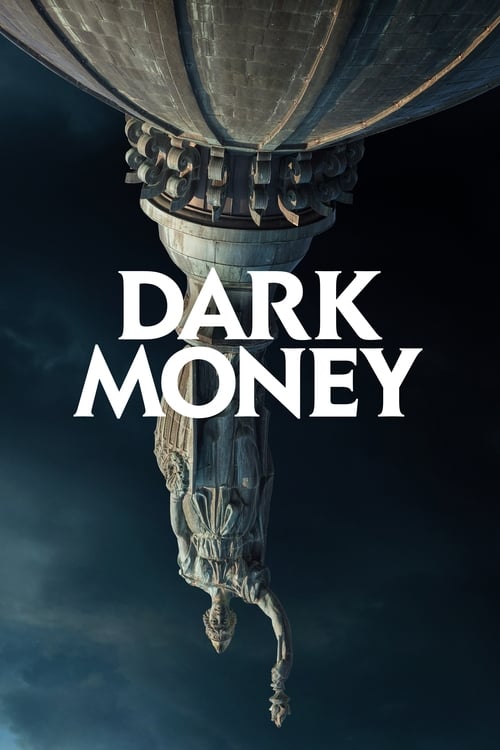
Dark Money
2018
No user ratings available yet
Representation score: 3.2 out of 10

Representation Score
Minimal
2016
Not RatedDirector
Alexandra Pelosi
Runtime
66 minutes
Average Rating
No ratings yetNew Showbiz Analysis
The documentary serves as a specialized study of political influence and the mechanics of power. By prioritizing the perspectives of the existing financial and political elite, the film maintains a narrow focus on established institutional stability. Because the narrative structure is designed to observe rather than disrupt existing systems, it lacks the complexity required for a higher score. The subjects represent a homogeneous demographic of high-level donors. Ultimately, the work functions as a portrait of traditional power structures. It does not seek to challenge or reconfigure the social or cultural status quo.
Category Breakdown
The film focuses entirely on high finance and political fundraising. There are no LGBTQ+ characters or narratives addressing non-cisgender identities.
A female director leads the central inquiry into male-dominated spheres of influence. However, the subjects largely reflect traditional hierarchies of power.
The narrative centers on the socioeconomic elite and the donor class. This focus lacks the breadth or intentional racial blending seen in more progressive works.
The documentary observes American political and capitalist frameworks as primary drivers of ability to act. It reinforces traditional Western institutional power rather than deconstructing it.
The scope of the film remains strictly on the socioeconomic and political philosophies of the wealthy. No subjects navigating physical or neurodivergent conditions are present.
Present on Screen
Limited or Absent
Official Synopsis
Alexandra Pelosi looks at money in politics and interviews wealthy donors to Republican and Democratic parties to ask them about their contributions and philosophies. Also: a look at efforts to enact campaign-finance reform.
2018

2020
2016

2019

2016

2016

2010

2013
No reviews yet. Be the first to share your thoughts on this movie!
Use the rating form above to leave a star rating and optional review.