
The Swamp
2020
No user ratings available yet
Diversity score: 2.0 out of 10
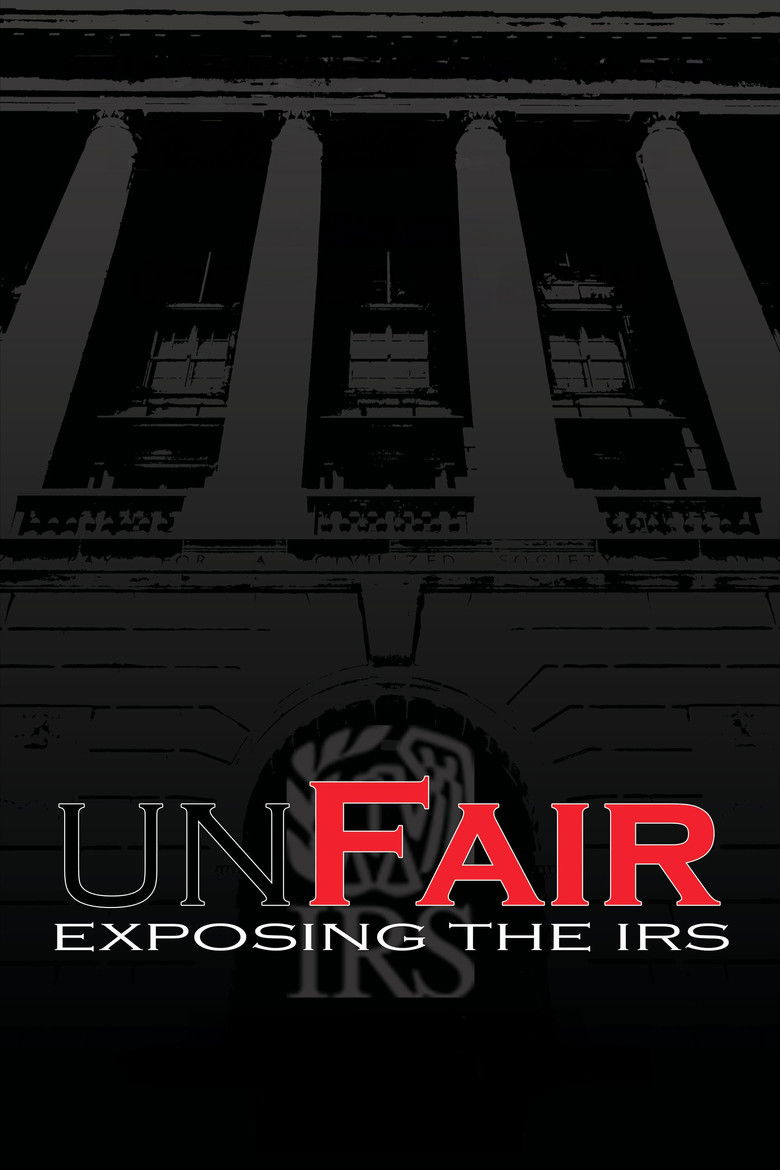
2014
TV-PGDirector
Judd Saul
Average Rating
No ratings yetSynopsis
A documentary shedding light on the certain damage the Income Tax and the IRS have wrought on liberties, businesses, families, and religious, charitable and civic organizations, while empowering a political agenda contrary to America's heritage.
Overall Score
Limited
Category Breakdown
LGBTQ+ Representation
The film lacks engagement with queer identity or non-cisnormative narratives. Its focus on systemic taxation and traditional institutions leaves no room for LGBTQ+ character development.
Gender Representation
The narrative operates within traditional social frameworks, focusing on families and businesses. There is no evidence of gendered leadership subversion or non-traditional archetypes.
Racial & Ethnic Diversity
The documentary prioritizes established historical norms and America's heritage. It lacks diverse casting in non-traditional roles or a focus on intersectional racial agency.
Religious & Cultural Diversity
The film reinforces Western institutional values by defending religious and civic organizations. It promotes traditional patriotism rather than critiquing established social orders.
Disability Representation
There is no discernible focus on neurodivergence or physical disabilities. The film does not utilize disability as a central narrative theme.
Strengths
Areas for Improvement
AI Analysis
UnFair: Exposing the IRS functions as a traditionalist critique of state power. It prioritizes the preservation of established Western institutions, such as family, religion, and capitalism, over the exploration of intersectional identities. The documentary's emphasis on defending America's heritage suggests a narrative centered on existing social structures. This approach avoids the subversion of social hierarchies or the deconstruction of traditional norms. Consequently, the film offers very little representation for marginalized groups, focusing instead on the systemic impact of taxation on established organizational liberties.
2020

2016
2009
2010
2012
2018
2016

2016

2010
2016

2017
2012
No reviews yet. Be the first to share your thoughts on this movie!
Use the rating form above to leave a star rating and optional review.