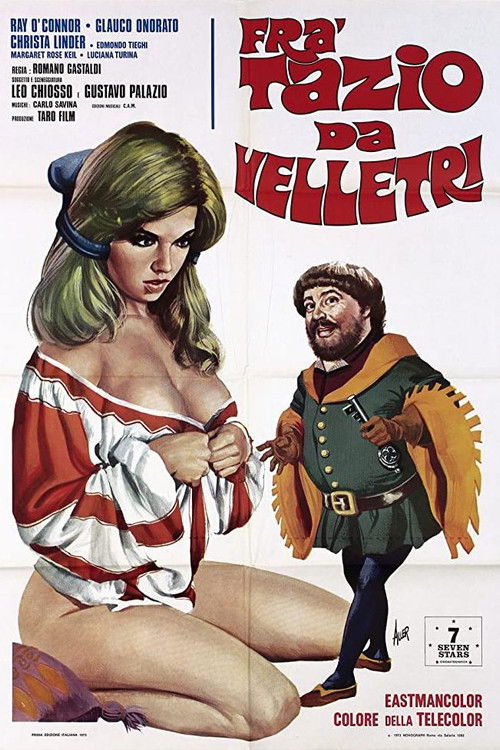
Fra' Tazio da Velletri
1973
No user ratings available yet
Representation score: 1.8 out of 10
Representation Score
Limited
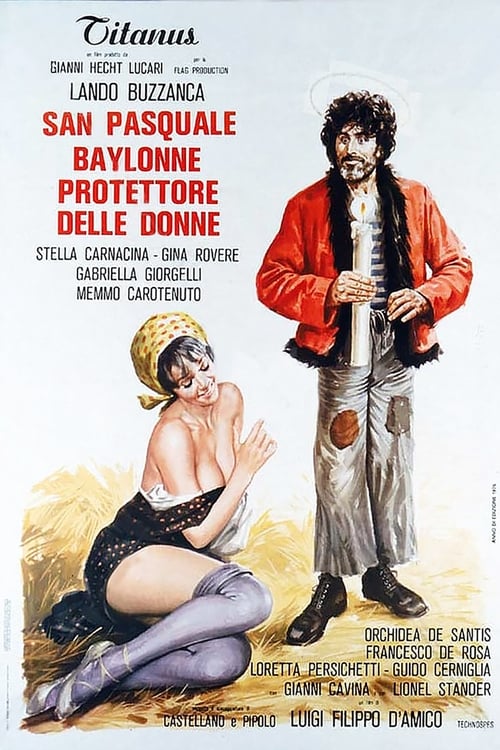
1976
Director
Luigi Filippo D'Amico
Runtime
93 minutes
Average Rating
No ratings yetNew Showbiz Analysis
San Pasquale Baylonne, Protector of Women is a period-specific social comedy rooted in the traditions of 1970s Italian cinema. It uses satire to explore the tension between religious institutions and evolving social behaviors. However, the film lacks multi-layered complexity, offering little evidence of LGBTQ+ representation or racial diversity. It reflects a homogeneous Mediterranean perspective, prioritizing traditional comedic structures over diverse storytelling.
Category Breakdown
The film does not include any LGBTQ+ identities or narratives, which was uncommon in mainstream 1970s Italian comedies.
The title suggests a focus on women, but it is unclear whether the film challenges or reinforces traditional gender roles.
The film likely features a homogeneous Mediterranean cast typical of mid-1970s Italian cinema, with no significant non-white representation.
The narrative uses Catholic tradition and religious iconography to critique institutions and secular-spiritual tensions.
There is no information about the depiction of physical or neurodivergent characters.
Present on Screen
Limited or Absent
1973
1974
1976

1980
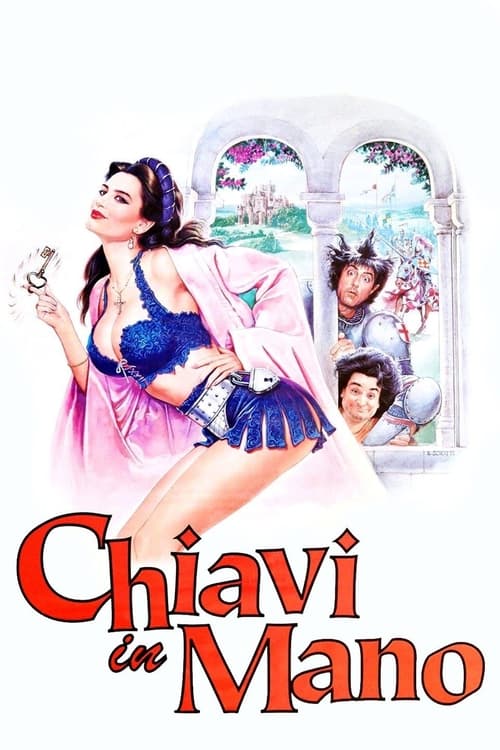
1996
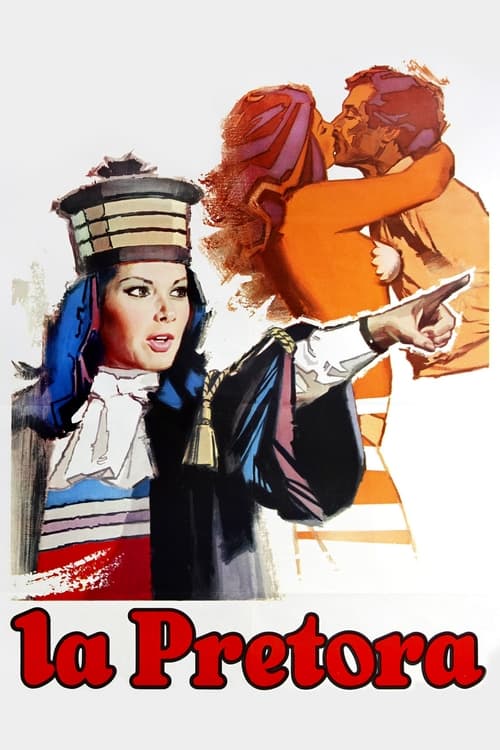
1976
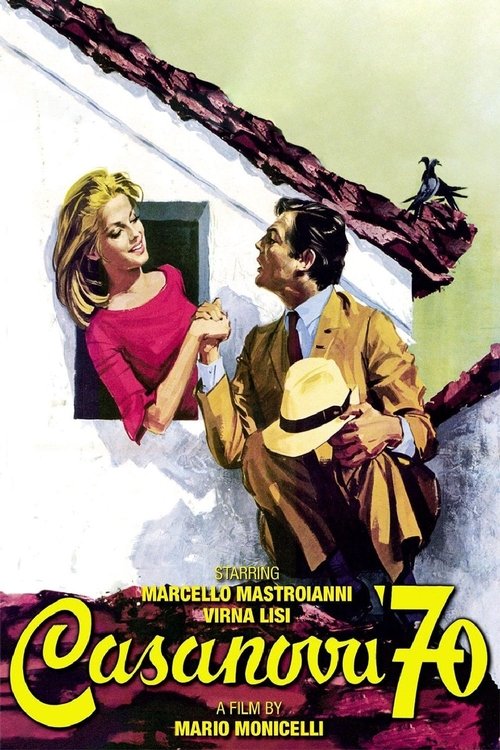
1965
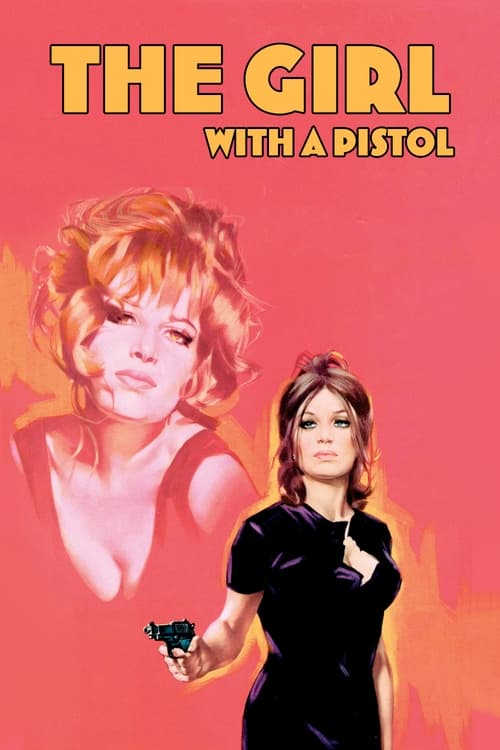
1968
No reviews yet. Be the first to share your thoughts on this movie!
Use the rating form above to leave a star rating and optional review.