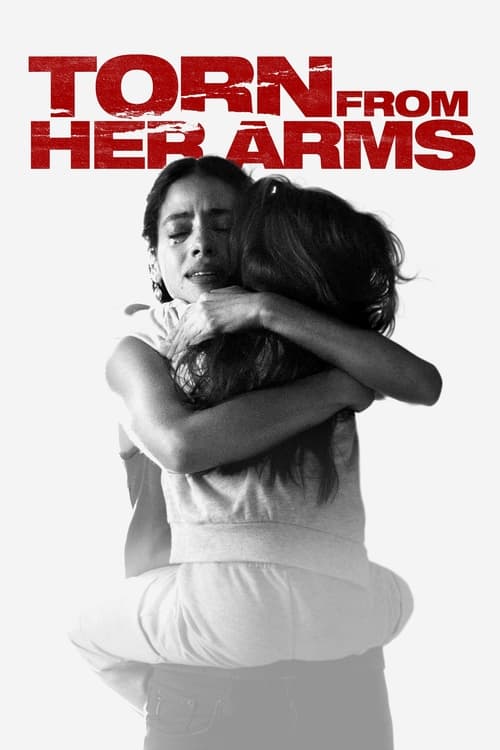
Torn from Her Arms
2021
No user ratings available yet
Representation score: 6.1 out of 10
Representation Score
Fair
2009
TV-14Director
Sílvia Munt
Runtime
90 minutes
Average Rating
No ratings yetNew Showbiz Analysis
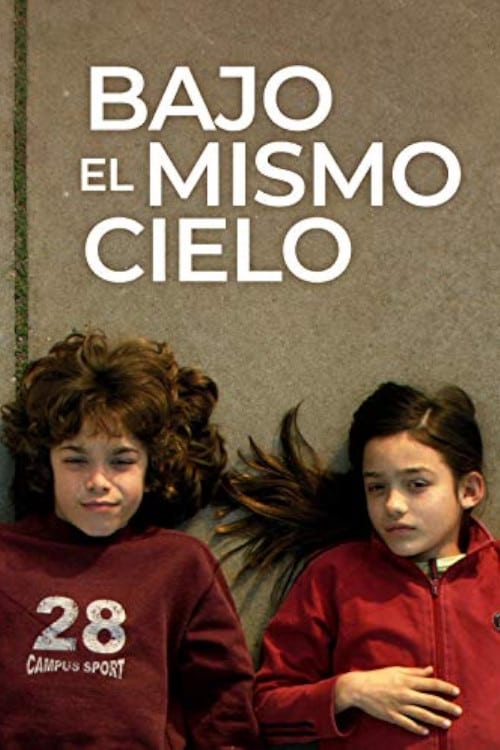
Bajo el mismo cielo is a social realist drama that avoids romanticizing the immigrant journey. It focuses on the internal fractures caused by systemic economic instability rather than spectacle. The film succeeds by centering North African ability to act and exploring the specific pressures of precarious labor. It provides a nuanced look at how economic hardship dictates individual choices within a migrant household. While the film lacks representation of LGBTQ+ identities or disability, it offers a deep critique of the capitalist structures that disrupt traditional family units.
Category Breakdown
The film focuses on a nuclear family structure. There are no visible LGBTQ+ characters or narratives addressing non-straight relationships.
The mother demonstrates independence by choosing to stay in Spain, rejecting traditional patriarchal expectations of family unity. However, roles remain centered on traditional domestic and parental struggles.
The story centers on Moroccan immigrants, avoiding monolithic clichés. It explores specific socio-economic tensions and the cultural friction between Morocco and Spain.
The narrative critiques economic systems that force family separation. It prioritizes secular, educational empowerment through the daughter's relationship with her teacher.
There is no evidence of characters with visible or invisible disabilities within the film's context.
Present on Screen
Limited or Absent
Official Synopsis
A pair of Moroccan immigrants in Spain splits apart. He returns to Morocco because he only find precarious jobs and his wife decides to stay. Their daughter is 11 and shares with a professor from her school a taste for writing, but she decides to follow her father. The girl's mother tries to recover her, for what is essential the mediation of the teacher.
2021
2007
1998

2009
2001

2015
2012
2015
No reviews yet. Be the first to share your thoughts on this movie!
Use the rating form above to leave a star rating and optional review.