Import
2016
No user ratings available yet
Representation score: 4.1 out of 10
Representation Score
Good
2001
Not RatedDirector
Yamina Benguigui
Runtime
98 minutes
Average Rating
No ratings yetNew Showbiz Analysis
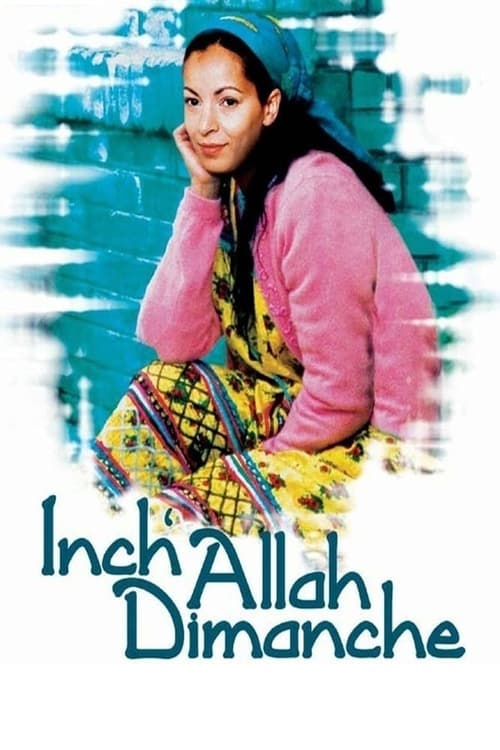
Inch'Allah dimanche is a powerful work of social realism that centers the Maghrebi immigrant experience. It avoids simplified clichés of integration, instead focusing on the systemic pressures faced by immigrants and the deconstruction of patriarchal roles within families. The film provides a non-Anglo-Saxon perspective, examining the complexities of post-colonial identity through the lens of the French banlieues. It offers a nuanced critique of both traditional hierarchies and Western socioeconomic structures. While the film highlights female resilience and resistance to patriarchal authority, it lacks explicit representation of LGBTQ+ identities or disabilities.
Category Breakdown
The film focuses on the tension between North African traditions and secular French life, with no explicit depiction of LGBTQ+ identities or narratives.
Zouina's significant role in the story disrupts traditional hierarchies as she challenges patriarchal constraints within her household.
The narrative centers the experiences of North African immigrants in French banlieues, avoiding the white gaze and highlighting the complexities of racialized identity.
The story explores the conflict between religious heritage and secular modernity, critiquing Western social structures and the failures of French integration policies.
There is no significant evidence regarding the portrayal of physical or neurodivergent disabilities in the narrative.
Present on Screen
Limited or Absent
Official Synopsis
The story of an immigrant woman struggling against old world traditions. Zouina leaves her homeland with her three children to join her husband in France, where he's been living for the past ten years. In a land and culture foreign to her, Zouina struggles against her mother-in-law's tyrannical hand and her husband's distrustful bitterness in an attempt to adjust to her life in exile.
2016
1966

2000
2016

2016
2015
2020
1998
No reviews yet. Be the first to share your thoughts on this movie!
Use the rating form above to leave a star rating and optional review.