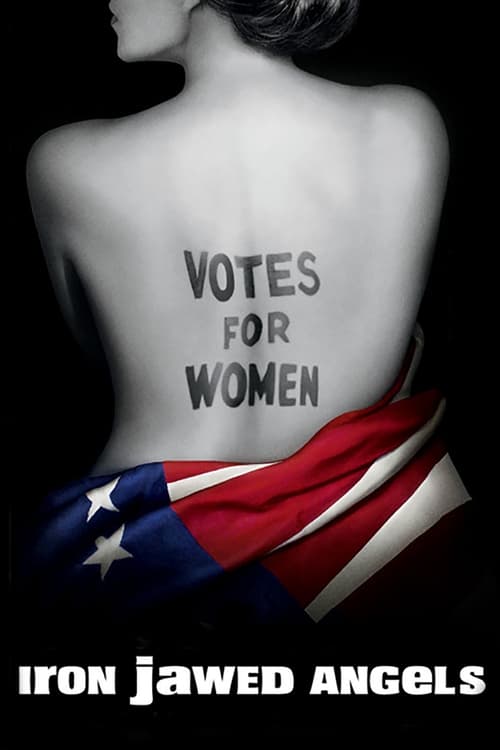
Iron Jawed Angels
2004
No user ratings available yet
Representation score: 6.9 out of 10

Representation Score
Fair
1978
TV-GDirector
Jack Hofsiss
Runtime
59 minutes
Average Rating
No ratings yetNew Showbiz Analysis
Out of Our Fathers' House is a purposeful dismantling of patriarchal structures. By using the diaries of figures like Elizabeth Cady Stanton, the film shifts the focus from domestic stability to female empowerment. It effectively challenges the historical dominance of religious and paternal authority. The film's strength lies in its intentional approach to gender and cultural critique. It disrupts the 'Great Man' theory of history by focusing on the struggles of women's suffrage and labor movements. This approach creates a nuanced examination of systemic pressures. However, the film remains tied to the racial constraints of its historical period. While it addresses class-based struggles, the visual presentation remains largely homogeneous, limiting its impact on racial diversity.
Category Breakdown
The film touches on the tension between religious expectations and personal desires. It uses subtle hints to show the psychological strain of repressed sexuality and the impact of strict social binaries. However, it does not specifically highlight or name any LGBTQ+ identities within the narrative.
This production stands out by challenging traditional gender hierarchies. It emphasizes the intellectual strength of feminist pioneers and portrays patriarchal authority as a restrictive force. By doing so, it elevates the focus on women's struggles and contributions.
The film's setting mirrors the demographic reality of early 20th-century America, resulting in a predominantly white and homogeneous presentation. This adherence to historical norms limits the film's representation of racial diversity.
The narrative offers a sophisticated look at Western institutions and religious absolutism. It portrays rigid religious laws as sources of dysfunction rather than moral guidance, highlighting the negative impacts of such strict adherence.
There is no information available regarding the portrayal of physical or neurodivergent disabilities in this film.
Present on Screen
Limited or Absent
Official Synopsis
Drawn from the diaries and letters of noted feminists, such as women's suffrage founder Elizabeth Cady Stanton and labor organizer "Mother" Mary Jones, this unique production paints a compelling portrait of the women's liberation movement.
2004
2020
1975
2017
1989
2015

2018

1972
No reviews yet. Be the first to share your thoughts on this movie!
Use the rating form above to leave a star rating and optional review.