The Haunting of Marsten Manor
2007
No user ratings available yet
Representation score: 4.8 out of 10
Representation Score
Fair
1989
NRDirector
Peter Borg
Runtime
108 minutes
Average Rating
No ratings yetNew Showbiz Analysis
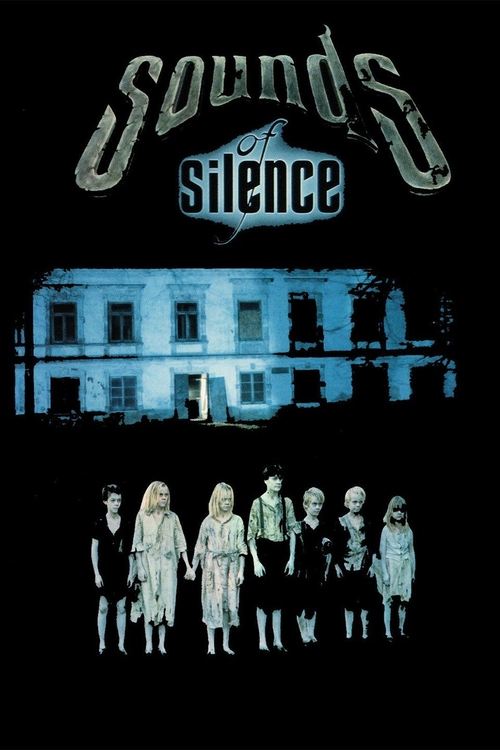
Sounds of Silence operates as a conventional 1980s mystery-horror film. It relies heavily on established genre clichés, focusing on ancestral secrets and traditional family structures rather than progressive social themes. The film's primary strength lies in its inclusion of a character with a sensory disability. This provides a specific narrative perspective, though the depth of this representation remains unverified. However, the film lacks diverse representation and challenges traditional norms. The character dynamics and setting lean toward a homogeneous, traditional framework.
Category Breakdown
There are no LGBTQ+ characters or narratives that question the assumption that everyone is straight or cisgender. The main romance between Peter and Sarah follows a typical structure where everyone is assumed to be straight.
Peter Mitchell leads the investigation. Sarah's role revolves around her relationship to Peter and her identity as a mother, following traditional gender roles.
The story focuses on a localized Swedish mystery and ancestral connections. There are no indications of a diverse or non-Anglo-Saxon majority cast.
The plot centers on Western clichés of inheritance and family legacies. It does not challenge Western institutions or promote alternative cultural perspectives.
Dennis, a deaf character, provides a unique perspective on the mystery. His sensory disability allows him to experience interactions that others cannot.
Present on Screen
Limited or Absent
Official Synopsis
In Los Angeles, photographer Peter Mitchell learns that he has inherited a palatial estate in Sweden from his unknown relative, Annie Holst. He, his girlfriend Sarah, and her deaf son Dennis, head overseas to decide whether to live in the property or to sell it. But when they arrive, they find the locals offer a chilly reception whenever Annie's name is mentioned. It turns out that Annie had lost her son some 50 years ago in a tragedy at the nearby orphanage where she had placed him temporarily, due to circumstances beyond her control. But she had continued to see her son even after his death. Now, young Dennis is drawn to the derelict orphanage, and to a new friend who only he can see. And Peter must solve a decades-old mystery of how the orphans died before his family faces a similar fate.
2007

1989

1986

1973
1983
2011

1993
2015
No reviews yet. Be the first to share your thoughts on this movie!
Use the rating form above to leave a star rating and optional review.