The Changeling
1980
No user ratings available yet
Representation score: 3.0 out of 10
Representation Score
Good
1983
Director
Egill Eðvarðsson
Runtime
101 minutes
Average Rating
No ratings yetNew Showbiz Analysis
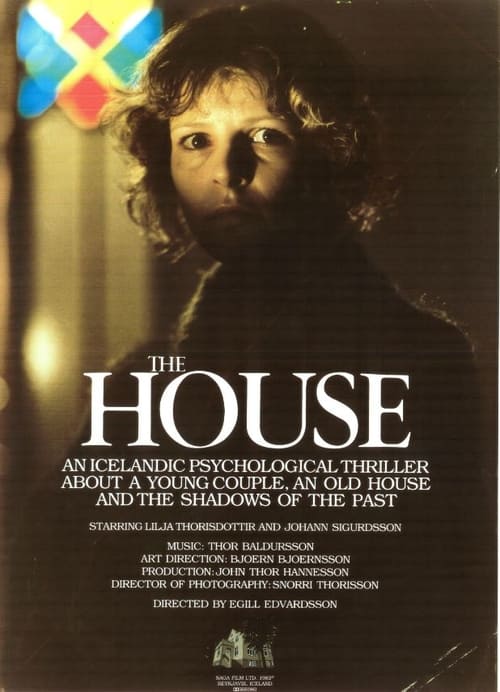
The House stands out from typical 1980s horror by emphasizing psychological depth and sensory contrast over cheap thrills. Its strength lies in its sophisticated handling of disability and its subversion of traditional gender roles. While the film lacks racial and LGBTQ+ diversity, it excels in creating a complex, character-driven atmosphere through its unique cultural context. Ultimately, the film's success is rooted in its ability to use sensory differences to explore isolation and personal history, even within a localized setting.
Category Breakdown
The film focuses on a young heterosexual couple, without depicting any LGBTQ+ identities or relationships. There is no explicit representation of LGBTQ+ characters or themes.
The female protagonist plays a significant role in driving the story as she investigates the house's history. She is not a passive victim but an active investigator, challenging traditional gender roles.
As a localized Icelandic production, the film reflects the demographic homogeneity of its region. There is no evidence of a multi-ethnic or non-white cast.
The story explores complex personal realities through the protagonist's origins and sensory contrasts. It examines how different social realities, such as the silent world of deaf children, coexist.
Deaf children are integrated as a fundamental thematic element rather than a mere plot device. The protagonist's role as their teacher provides a nuanced lens for the film's sensory exploration.
Present on Screen
Limited or Absent
Official Synopsis
A young couple moves into an old house. She teaches deaf children, he is a musician, working on his own compositions. Their separate worlds, one silent, the other full of sounds, create a vivid pattern of contrasts, which affect their emotional lives and their living together. From the time they move into the house, they are strangely aware of something odd, especially she, while he concentrates more and more upon his work. A series of incidents adds to her growing uneasiness about the house. Its past seems to creep in on her. She feels as if some tragedy must have befallen the people that lived there before, but when she starts asking around she gets few answers. There is something about the house that seems to be on the verge of overpowering her - something that in an unexpected way is related to her origins and permanently affects her life and destiny.
1980

1977
1971

1976
1987
1971
2011

2003
No reviews yet. Be the first to share your thoughts on this movie!
Use the rating form above to leave a star rating and optional review.