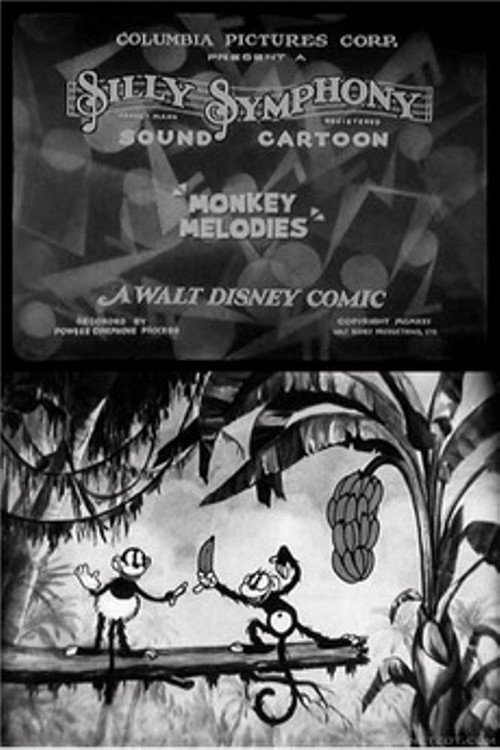
Monkey Melodies
1930
No user ratings available yet
Representation score: 2.4 out of 10
No Poster Available
Representation Score
Limited
1935
ApprovedDirector
Arthur Davis
Runtime
6 minutes
Average Rating
No ratings yetNew Showbiz Analysis
Monkey Love is a product of the 1930s studio system, adhering to the era's standard comedic clichés and narrative structures. It relies heavily on traditional animal archetypes within a naturalistic jungle setting. The film's primary strength lies in its subversion of gender roles. By allowing the female monkey to handle the antagonist independently, it avoids the typical damsel-in-distress cliché common in mid-century animation. However, the work lacks depth regarding human identity. It offers no representation of racial, ethnic, or LGBTQ+ diversity, remaining confined to a binary, straight-centered framework.
Category Breakdown
The film focuses on a traditional heterosexual relationship between a male and female monkey. There are no queer narratives or non-straight identities present in the story.
While the film starts with a standard male serenading scene, the female monkey defies expectations. She shows superior ability to act by handling a jealous gorilla herself, rather than needing rescue.
The animation features anthropomorphic animals in a jungle setting. It does not address human racial or ethnic diversity, using animal archetypes instead.
The narrative sets a simple jungle backdrop without religious or political commentary. The conflict revolves around individual jealousy rather than broader societal issues.
There are no characters with visible or invisible disabilities in the film.
Present on Screen
Limited or Absent
Official Synopsis
A pair of monkeys (male and female) meet in the jungle and immediately fall in love. After serenading the little lady, the boy takes her home and runs into trouble in the shape of a gorilla...a jealous gorilla. But the girl monkey dispatches the gorilla with ease.
1930

1978
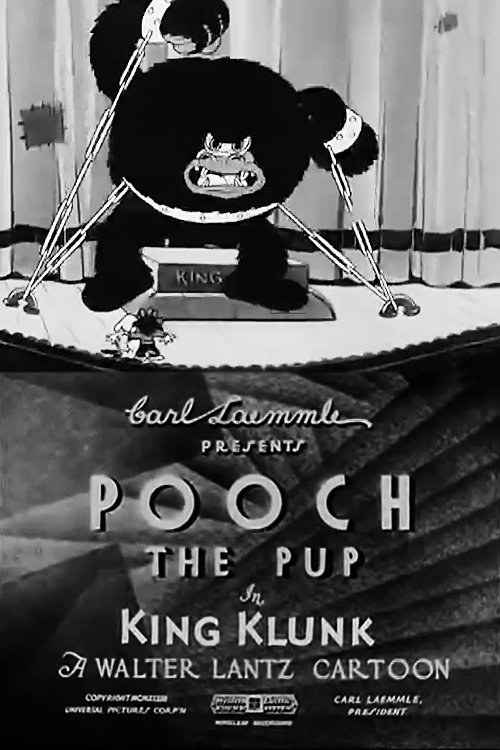
1933

1930
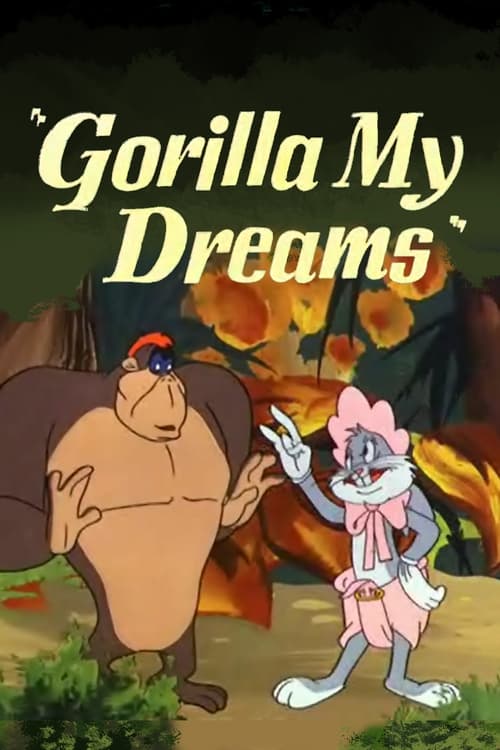
1948
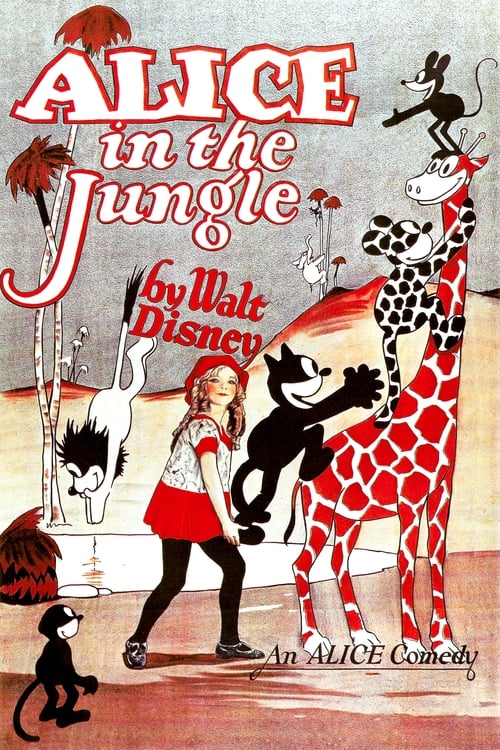
1925
1933
1937
No reviews yet. Be the first to share your thoughts on this movie!
Use the rating form above to leave a star rating and optional review.