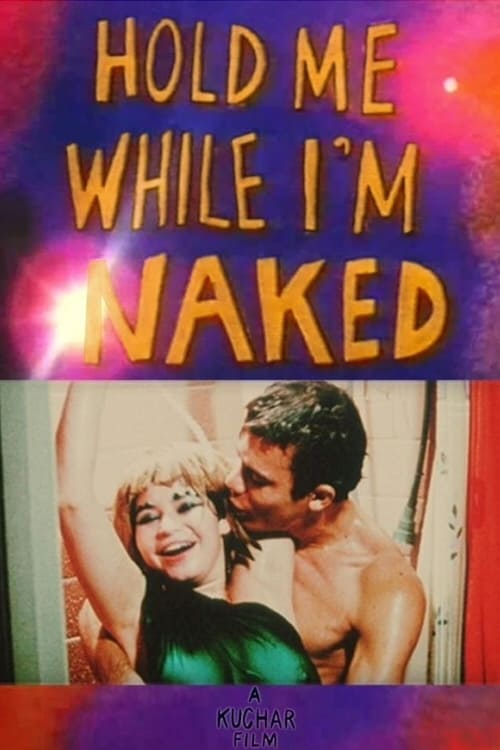
Hold Me While I'm Naked
1966
No user ratings available yet
Representation score: 4.3 out of 10
Representation Score
Fair
1967
Not RatedDirector
Jim McBride
Runtime
74 minutes
Average Rating
No ratings yetNew Showbiz Analysis
Jim McBride’s experimental film focuses on deconstructing cinematic structures rather than exploring diverse identities. The film examines the observer effect rather than serving as a platform for social representation. While the film effectively challenges traditional storytelling methods using a postmodern framework, it lacks demographic diversity. The focus remains on the mechanics of filmmaking and the protagonist's perspective. Overall, the film reflects the specific, homogeneous social circles of the 1960s experimental scene, leading to limited representation across various identity categories.
Category Breakdown
The film focuses on a bohemian social circle but doesn't include explicit LGBTQ+ stories. Non-traditional gender identities are not represented among the main characters.
The story is told primarily through the male perspective, focusing on the protagonist's camera. Female characters are present but don't have enough independence to drive the plot forward.
The film shows a mostly white artistic community of the 1960s. There is no multi-ethnic cast, which limits the diversity of the characters.
The film uses a mockumentary style that questions moral absolutes and situational realities. This approach challenges traditional storytelling and structured social institutions.
There are no characters with visible or invisible disabilities playing a central role in the story. The film does not include characters with disabilities.
Present on Screen
Limited or Absent
Official Synopsis
A young filmmaker decides to make a movie about his day-to-day activities in an attempt to understand himself and get his life back in order. A precursor to reality television and vlogs.
1966
1973
2014
1993
2007
1999

2001

2018
No reviews yet. Be the first to share your thoughts on this movie!
Use the rating form above to leave a star rating and optional review.