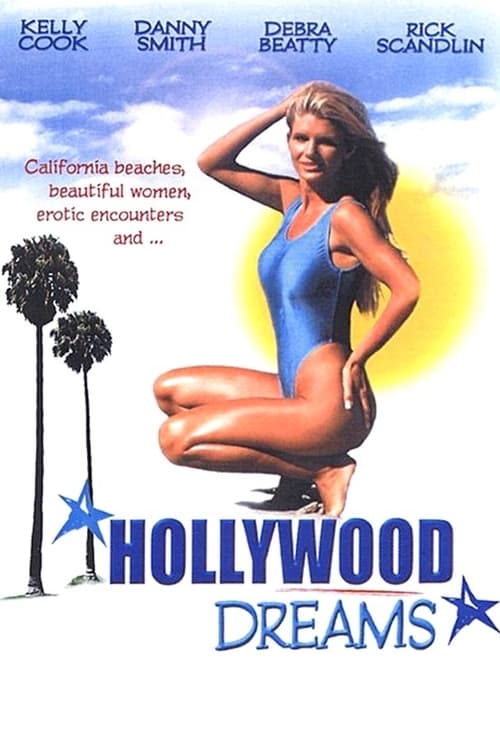
Hollywood Dreams
1994
No user ratings available yet
Representation score: 2.9 out of 10
Representation Score
Limited
2000
RDirector
Adam Rifkin, Tony Markes
Runtime
89 minutes
Average Rating
No ratings yetNew Showbiz Analysis
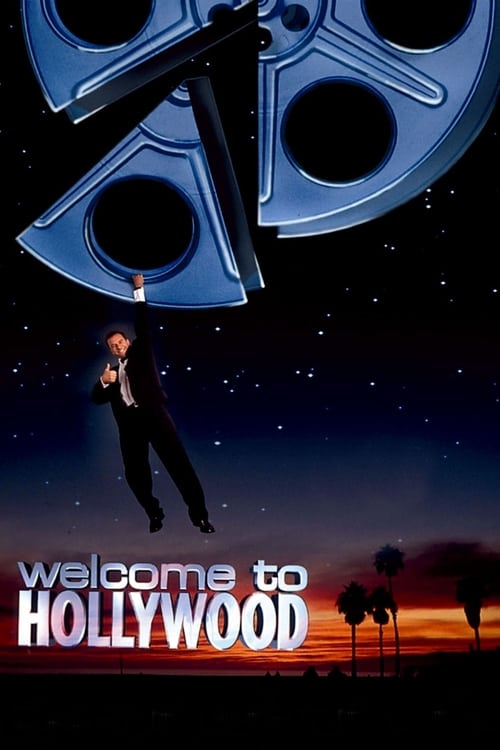
Welcome to Hollywood primarily serves as a satire of the entertainment industry. Its narrative focuses on the professional ambitions and power dynamics involved in achieving fame. The film prioritizes critiquing the institutional framework over exploring diverse identities. While the mockumentary format allows for social commentary, the characters and storylines adhere to traditional industry norms. Ultimately, the film functions as a critique of the Hollywood machine rather than a platform for diverse identity-driven narratives.
Category Breakdown
The film does not include any explicit LGBTQ+ characters or stories focusing on non-straight identities. It seems to center around a young actor's career within a traditional framework.
The story focuses on the power struggle between a director and a male actor. Female actors are part of the cast, but they do not drive the main plot.
The film does not show significant racial diversity or have a predominantly non-white cast. It likely reflects the traditional, homogeneous representation often seen in industry-focused satires.
As a satire and mockumentary, the film critiques the Hollywood studio system and the American Dream. This critique suggests a focus on the broader societal structures of capitalism.
There is no evidence of characters with physical or neurodivergent disabilities in the film.
Present on Screen
Limited or Absent
Official Synopsis
A film director decides to chart the course of a young actor as he tries to make it in Hollywood...
1994

2011
2004

1982
2004

1987

2020
1999
No reviews yet. Be the first to share your thoughts on this movie!
Use the rating form above to leave a star rating and optional review.