
The Color of Rain
2014
No user ratings available yet
Representation score: 3.8 out of 10
Representation Score
Fair
2018
Not RatedDirector
Julian Farino
Runtime
90 minutes
Average Rating
No ratings yetNew Showbiz Analysis
The film is a character-driven drama that prioritizes psychological depth over demographic breadth. It succeeds in challenging the 'perfect' domestic narrative through a lens of emotional complexity. While the production lacks significant LGBTQ+ or racial diversity, it offers progressive value by questioning the sanctity of the nuclear family. It portrays the collapse of marriage and the devastating impact of loss. Ultimately, the work functions as a study of heterosexual grief and the dissolution of traditional partnerships rather than a showcase for characters who reflect more than one aspect of diversity.
Category Breakdown
The story focuses solely on the marital bond between Stephen and his wife, offering no representation of non-straight identities or narratives that question the assumption that everyone is straight.
The film avoids idealized feminine archetypes by exploring the different psychological paths of the parents. The female lead plays a significant role in responding to trauma, even as domestic structures break down.
The cast appears predominantly white and Anglo-Saxon, reflecting the specific British setting. The narrative focuses on a localized, homogeneous domestic tragedy without diverse casting.
The film disrupts the 'idealized family' cliché by portraying the domestic unit as a site of dysfunction. It prioritizes emotional realism over traditional Western domestic ideals.
There is no explicit mention of physical disabilities. However, the film explores the psychological impact of profound grief and the characters' inability to function within standard social roles.
Present on Screen
Limited or Absent
Official Synopsis
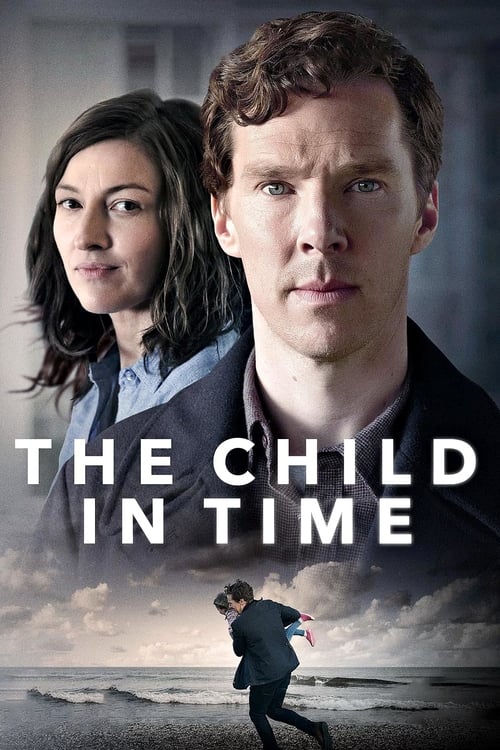
A successful writer of children's books, Stephen Lewis is confronted with the unthinkable—he loses his only child, four-year-old Kate, in a supermarket. In one horrifying moment that replays itself over the years that follow, Stephen realises his daughter is gone. Kate's absence sets Stephen and his wife on diverging paths as both struggle with an all-consuming grief.
2014

2014
2005
2001

2017

2010

2006
2017
No reviews yet. Be the first to share your thoughts on this movie!
Use the rating form above to leave a star rating and optional review.