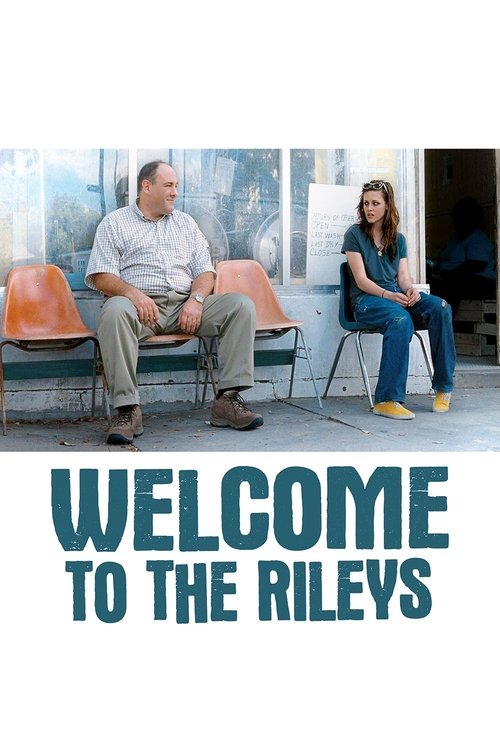
Welcome to the Rileys
2010
No user ratings available yet
Representation score: 6.9 out of 10
Representation Score
Excellent
2010
PG-13Director
John Cameron Mitchell
Runtime
91 minutes
Average Rating
No ratings yetNew Showbiz Analysis
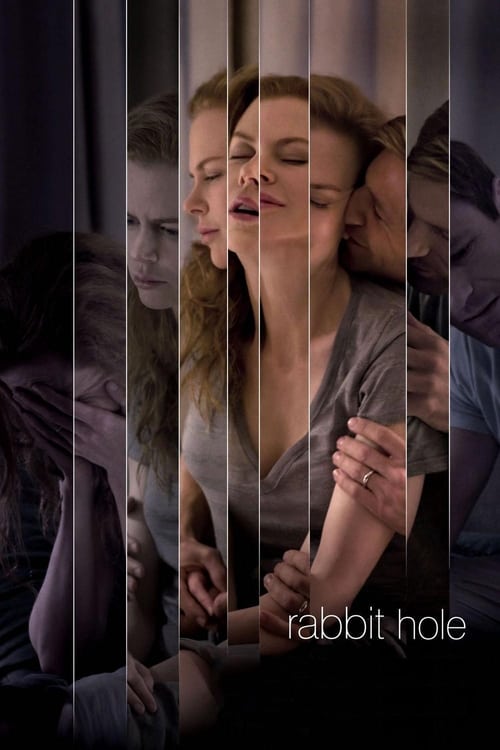
Rabbit Hole stands out as a progressive character study that dismantles conventional social and familial hierarchies. By prioritizing personal truth and psychological interiority, the film moves beyond traditional domestic clichés to explore the complex reality of grief. The narrative excels at challenging gendered expectations and integrating non-straight relationships into the core emotional experience. This creates a sophisticated, postmodern framework where no single moral or emotional response is validated. However, the film's focus remains narrow. While the urban setting suggests diversity, the plot is primarily driven by the immediate character ensemble, leaving racial and ethnic representation as a secondary element rather than a structural force.
Category Breakdown
Non-straight relationships are woven into the main storyline, serving as key elements of the characters' inner lives rather than side stories.
The film challenges traditional gender roles by focusing on emotional breakdowns within domestic partnerships. It avoids stereotypes of strong masculinity or passive femininity, instead showing nuanced, unstable reactions to trauma.
Set in New York City, the film showcases socioeconomic diversity. However, diverse ethnic identities are not central to the plot's tension.
The narrative breaks down the ideal nuclear family model through a lens of moral relativism. It highlights secular, psychological coping methods over religious or institutional guidance.
While there is no direct representation of physical disabilities, the film deeply explores invisible psychological trauma. Mental states are treated as complex drivers of the plot with significant influence.
Present on Screen
Limited or Absent
Official Synopsis
Life for a happy couple is turned upside down after their young son dies in an accident.
2010
2011
2011
2014
2007
2001
2010
2004
No reviews yet. Be the first to share your thoughts on this movie!
Use the rating form above to leave a star rating and optional review.