
The Dirt Gang
1972
No user ratings available yet
Diversity score: 3.2 out of 10
1974
RDirector
Al Adamson, León Klimovsky
Runtime
88 minutes
Average Rating
No ratings yetSynopsis
Two Vietnam deserters go their separate ways, become criminals and are eventually reunited.
Overall Score
Limited
Category Breakdown
LGBTQ+ Representation
The film lacks any evidence of LGBTQ+ characters or narratives. The story focuses on traditional masculine archetypes common to 1970s action-dramas.
Gender Representation
The narrative centers heavily on male deserters and their criminal paths. There is no indication of female agency or the subversion of gender hierarchies.
Racial & Ethnic Diversity
The film appears to focus on a homogeneous demographic. There is no indication of a diverse or non-Anglo-Saxon majority cast.
Religious & Cultural Diversity
The protagonists' status as Vietnam deserters provides a critique of state and military authority. This anti-institutional sentiment aligns with standard outlaw genre tropes.
Disability Representation
There is no information regarding the depiction of physical or neurodivergent characters in this work.
Strengths
Areas for Improvement
AI Analysis
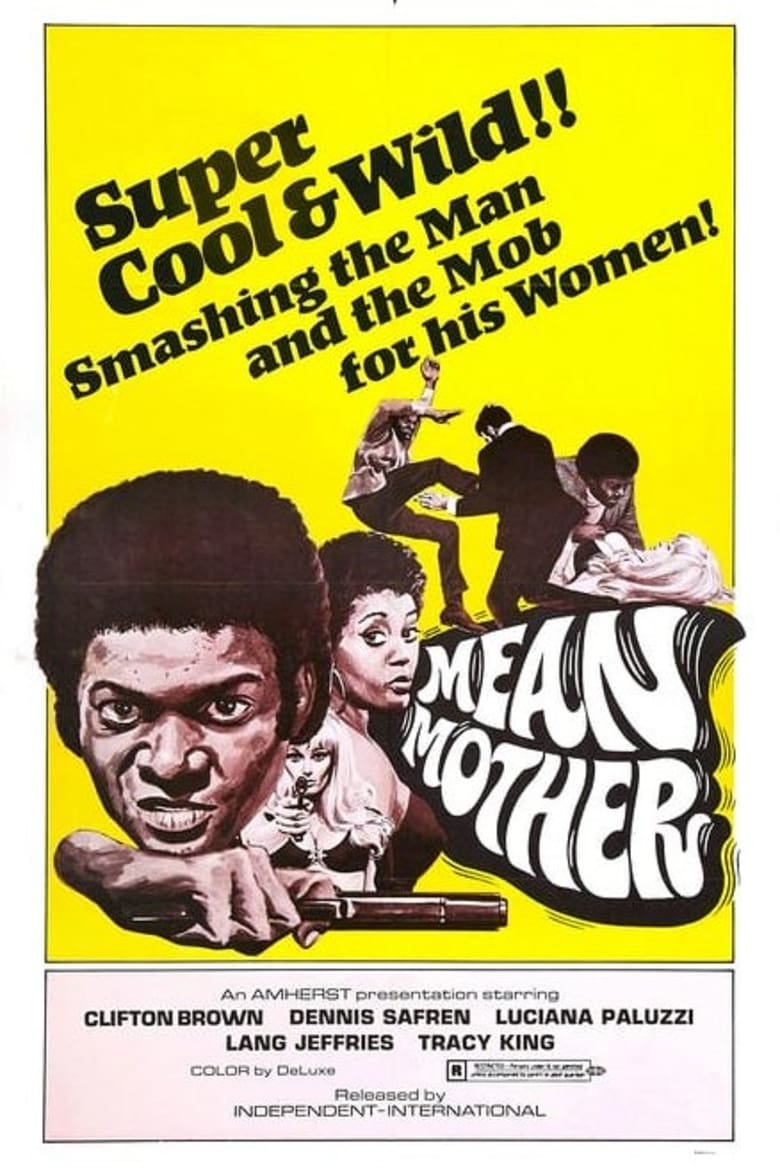
Mean Mother is a product of the 1970s exploitation cinema era, prioritizing visceral action over social complexity. The narrative follows two Vietnam deserters turned criminals, a framework that leans heavily into traditional masculine archetypes and conventional gender roles. The film lacks intentionality regarding intersectional representation. Its focus on outlaw tropes provides a minor critique of state authority, but it does not engage with diverse racial, gender, or LGBTQ+ identities. Ultimately, the work adheres to the standard casting and narrative norms of its time, offering little in the way of modern social or cultural deconstruction.
1972
1969

1971

1973

1984

1971

1969

1989

1981

1978

2002

1959
No reviews yet. Be the first to share your thoughts on this movie!
Use the rating form above to leave a star rating and optional review.