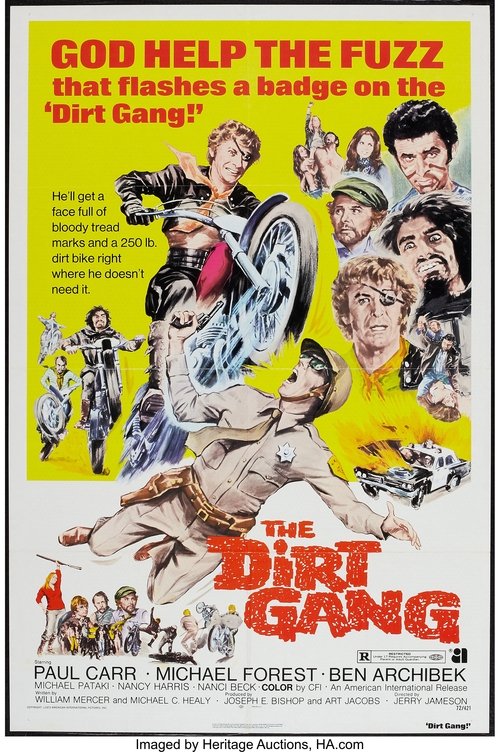
The Dirt Gang
1972
No user ratings available yet
Representation score: 2.5 out of 10
Representation Score
Minimal
1971
GPDirector
Burt Topper
Runtime
93 minutes
Average Rating
No ratings yetNew Showbiz Analysis
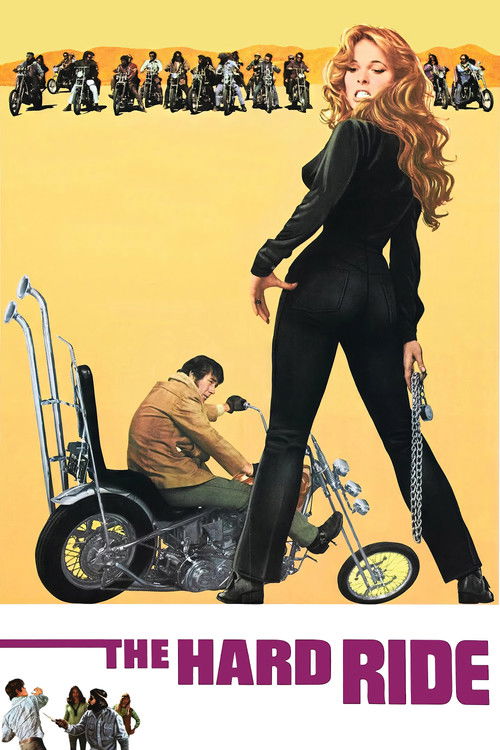
The Hard Ride is a conventional genre piece that relies heavily on established masculine and conflict clichés. The narrative structure is driven by a male protagonist’s promise to a fallen comrade. Representation is limited by the social constraints of 1970s action cinema. The film does not intentionally disrupt social hierarchies, instead favoring a homogeneous cast and traditional gender roles. Ultimately, the film functions as a standard exploitation-style drama. It prioritizes personal honor and biker subculture over nuanced storytelling or the deconstruction of traditional social structures.
Category Breakdown
The film follows the typical social structures of the 1970s and does not include any LGBTQ+ characters or non-cisgender identities.
The story revolves around a male protagonist and his relationship with another male character. The female character mainly serves to create conflict rather than acting independently.
The narrative focuses on a homogeneous group within a biker subculture. The film reflects the era's tendency towards a lack of diversity.
The plot follows a traditional storyline centered on personal honor and conflict resolution. It does not challenge systemic power or Western institutions.
There are no characters with visible or invisible disabilities in the film. None of these figures are portrayed as central to the narrative.
Present on Screen
Limited or Absent
Official Synopsis
While in Vietnam, a GI promises his dying buddy that he'll take care of his motorcycle, "Baby", when he gets back home. After his discharge, he meets up with his dead friend's girlfriend, gets the bike, and then runs into trouble from some other bikers who don't like the idea of his having the motorcycle or the girl.
1972
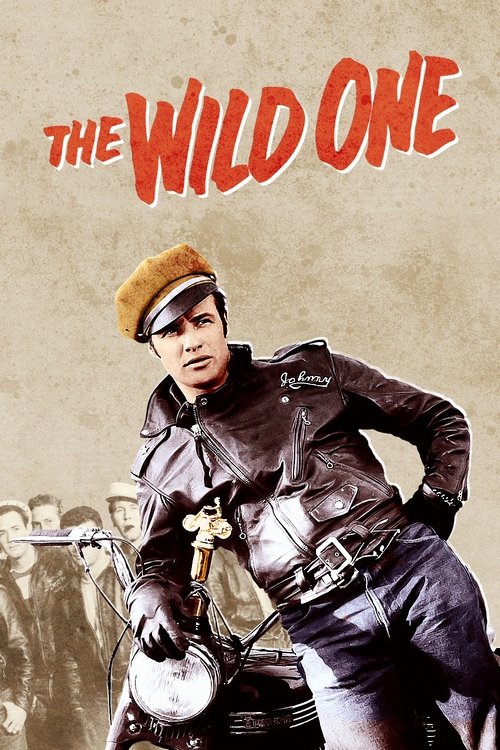
1953
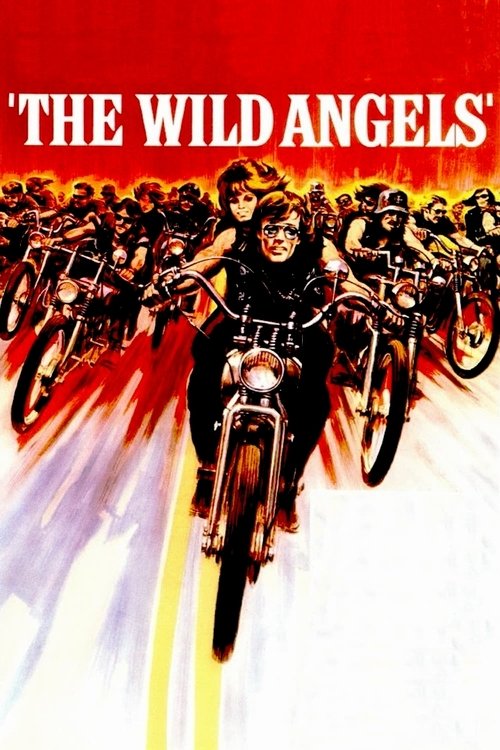
1966
1971
1978
1984
1970
1969
No reviews yet. Be the first to share your thoughts on this movie!
Use the rating form above to leave a star rating and optional review.