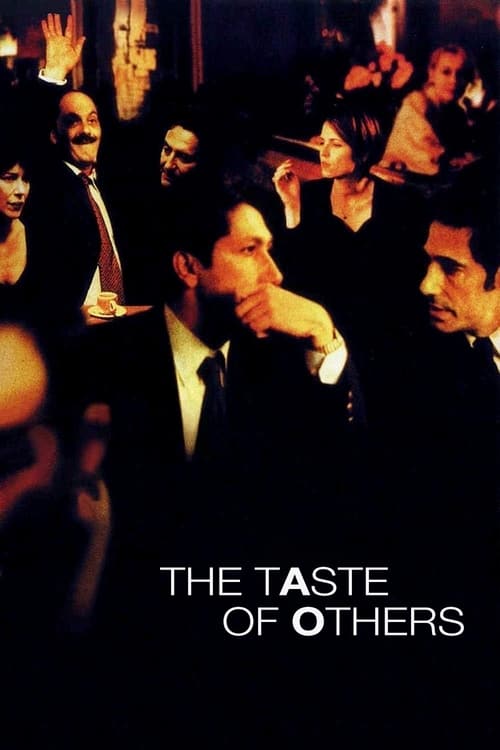
The Taste of Others
2000
No user ratings available yet
Diversity score: 5.5 out of 10
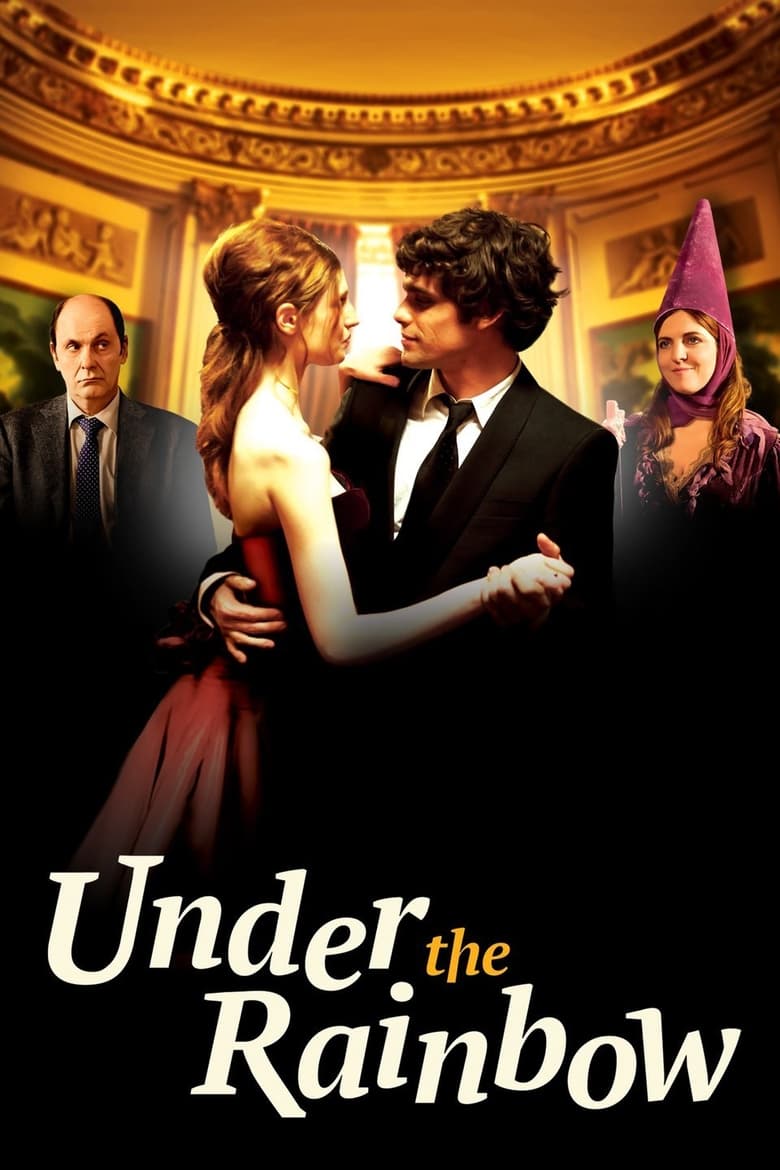
2013
Director
Agnès Jaoui
Runtime
112 minutes
Average Rating
No ratings yetSynopsis
Laura is still waiting for Prince Charming at the age of 24. So when Sandro appears at a party, exactly like her Prince would in her dreams, she thinks she's found the right one. But then again, when she meets Maxime, Laura starts to wonder if some Princes could be more charming than others? Of course Sandro has problems of his own : his father, Pierre, just bumped into Madam Irma at his father's funeral and this reminded him of the date of his own death which Madame Irma had predicted ages ago. Now Pierre is unable to make any plans, not with his new partner Eleonore, nor with Sandro. And Maxime has his own problems, and so does Eleonore, Marianne, Jacqueline and many others. But don't worry, in the end, they'll all live happily ever after.
Overall Score
Fair
Category Breakdown
LGBTQ+ Representation
The film explores non-traditional relationship structures and fluid interpersonal dynamics. It disrupts heteronormative expectations by focusing on the complexities of partnership and diverse domestic arrangements.
Gender Representation
Laura subverts traditional romantic hierarchies by actively questioning the Prince Charming archetype. The film avoids damsel tropes, presenting women with complex internal lives and agency.
Racial & Ethnic Diversity
The narrative focuses on a primarily Eurocentric social milieu. While the ensemble is diverse in class and temperament, there is limited evidence of significant racial or ethnic intersectionality.
Religious & Cultural Diversity
The film critiques the rigidity of conventional Western life milestones and romantic ideals. It replaces traditional destiny with a secular, existentialist view of human connection and coincidence.
Disability Representation
The story touches on psychological fragility and existential dread regarding mortality. However, these function as philosophical inquiries rather than agency-driven portrayals of specific disabilities.
Strengths
Areas for Improvement
AI Analysis
Agnès Jaoui’s ensemble piece succeeds by dismantling the structural expectations of the romantic genre. It replaces fairy-tale archetypes with a fragmented, multi-perspective study of human connection and contemporary realism. The film's intellectual strength lies in its subversion of gender roles and its refusal to reinforce traditional social hierarchies. By interrogating romantic idealism, it provides a progressive framework for viewing modern relationships. However, the film remains limited by a Eurocentric focus and a lack of significant racial intersectionality. While it explores psychological depth, it misses opportunities for more specific, agency-driven disability representation.
2000

1998
1997
2014

2010
2011

2018

1997

2024

2004
1999
No reviews yet. Be the first to share your thoughts on this movie!
Use the rating form above to leave a star rating and optional review.