Hold Me Back
2020
No user ratings available yet
Representation score: 7.8 out of 10
Representation Score
Good
2012
Director
Daigo Matsui
Runtime
114 minutes
Average Rating
No ratings yetNew Showbiz Analysis
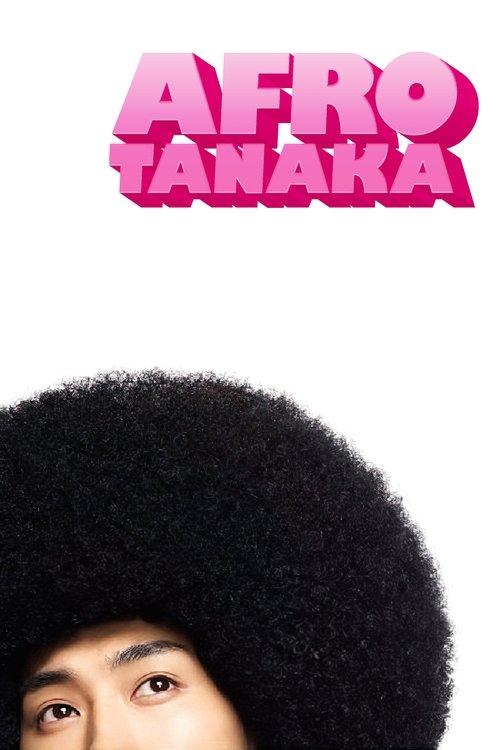
Afro Tanaka functions as a character study of social outliers. It avoids overt identity politics, focusing instead on the postmodern deconstruction of social norms and institutions. The film's strength lies in its unconventional narrative structure, which reframes human connection and the sanctity of death as transactional services. This provides a sophisticated critique of capitalist structures. However, the work lacks explicit representation of diverse identities and experiences, remaining largely within traditional frameworks regarding race, sexual orientation, and disability, offering visual disruption without deep political engagement.
Category Breakdown
The film does not center LGBTQ+ identities or challenge the assumption that everyone is straight or cisgender. Character arcs stay within traditional frameworks without showing same-sex relationships.
The narrative challenges traditional gender roles by focusing on emotional labor as a professional service. It subverts the idea of providers by centering characters in niche, service-oriented roles.
The cast is predominantly Japanese, reflecting a localized setting. While the protagonist's afro-style hair evokes African-American aesthetics, it is treated as a biological quirk rather than a racial exploration.
The film critiques capitalist structures through the commodification of grief. It deconstructs traditional mourning rituals by framing them as professionalized, economic transactions.
There is no explicit depiction of physical or neurodivergent disabilities. The film touches on psychological alienation and urban isolation, though it lacks specific ability to act for these themes.
Present on Screen
Limited or Absent
Official Synopsis
Hiroshi Tanaka sports an intense perm which looks like the afro hairstyle favored by some African-Americans back in the 1970's. He doesn't get his hair done at a hair shop, he was actually born with his hair like that. For freedom, Hiroshi moves to Tokyo. He works hard there and, even though he turns 24, he still doesn't have a girlfriend.
2020

2018
2013

2019
2010
2000
2004
2017
No reviews yet. Be the first to share your thoughts on this movie!
Use the rating form above to leave a star rating and optional review.