
Broadcast News
1987
No user ratings available yet
Representation score: 6.3 out of 10

Representation Score
Good
1991
PG-13Director
Ken Kwapis, Marisa Silver
Runtime
115 minutes
Average Rating
No ratings yetNew Showbiz Analysis
He Said, She Said is a traditionally demographically focused film that excels in thematic complexity rather than broad representation. While it lacks racial and LGBTQ+ diversity, it offers a sophisticated look at gendered perspectives and the subjectivity of truth. The film succeeds in giving the female lead significant intellectual authority, disrupting the era's standard power dynamics. However, the lack of diverse casting and the absence of disability representation result in lower overall scores.
Category Breakdown
The story focuses exclusively on a heterosexual romantic tension. There are no LGBTQ+ characters or non-cisgender identities within the cast.
The film challenges traditional gender roles by centering the plot on a male and female journalist. Lorie Bryer provides significant intellectual influence, challenging male-dominated narratives and power structures.
The narrative features a predominantly white, Anglo-Saxon cast set in Baltimore. There is no evidence of significant racial diversity or non-white protagonists driving the conflict.
The film explores postmodern moral relativism and situational truth. It frames the pursuit of truth as a subjective struggle rather than adherence to established social norms.
There is no evidence of visible or invisible disabilities integrated into the character arcs. No characters with disabilities are present in the primary professional or romantic conflicts.
Present on Screen
Limited or Absent
Official Synopsis
Womanising, right-wing Dan Hanson and quiet, liberal Lorie Bryer work for the Baltimore Sun. Rivals for the job of new writer of a vacant column, the paper ends up instead printing their very different opinions alongside each other, which leads to a similarly combative local TV show. At the same time their initial indifference to each other looks like it may evolve into something more romantic.
1987
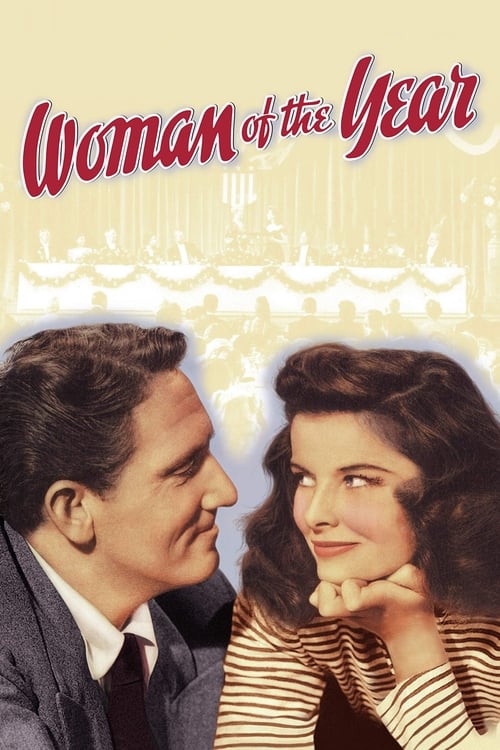
1942
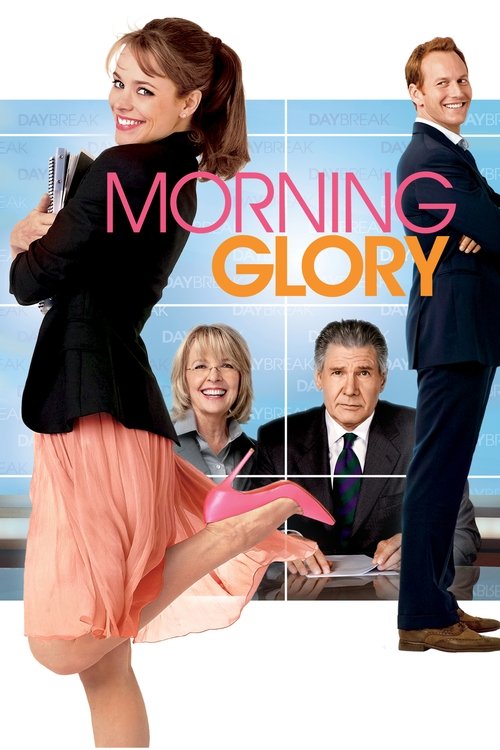
2010

1940

2000
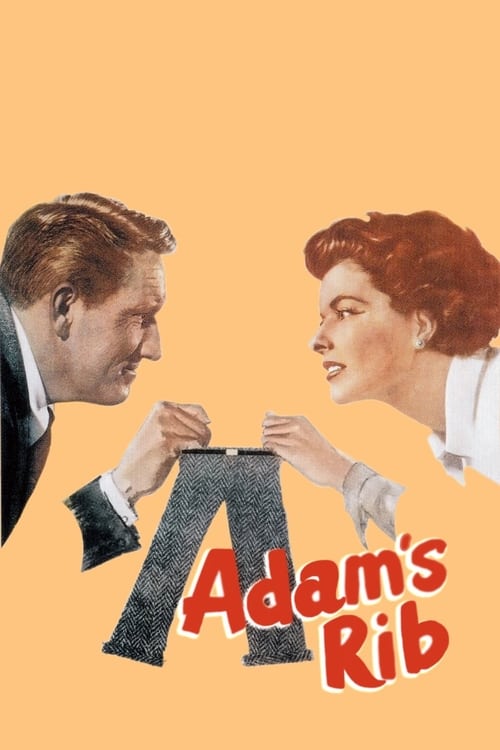
1949

2001
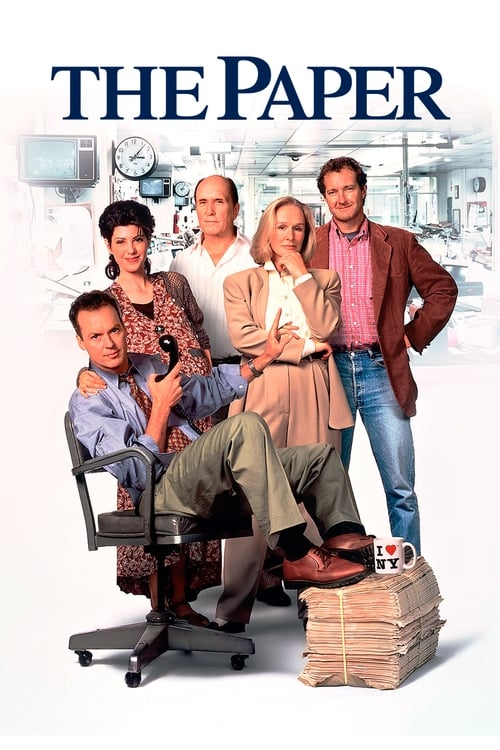
1994
No reviews yet. Be the first to share your thoughts on this movie!
Use the rating form above to leave a star rating and optional review.